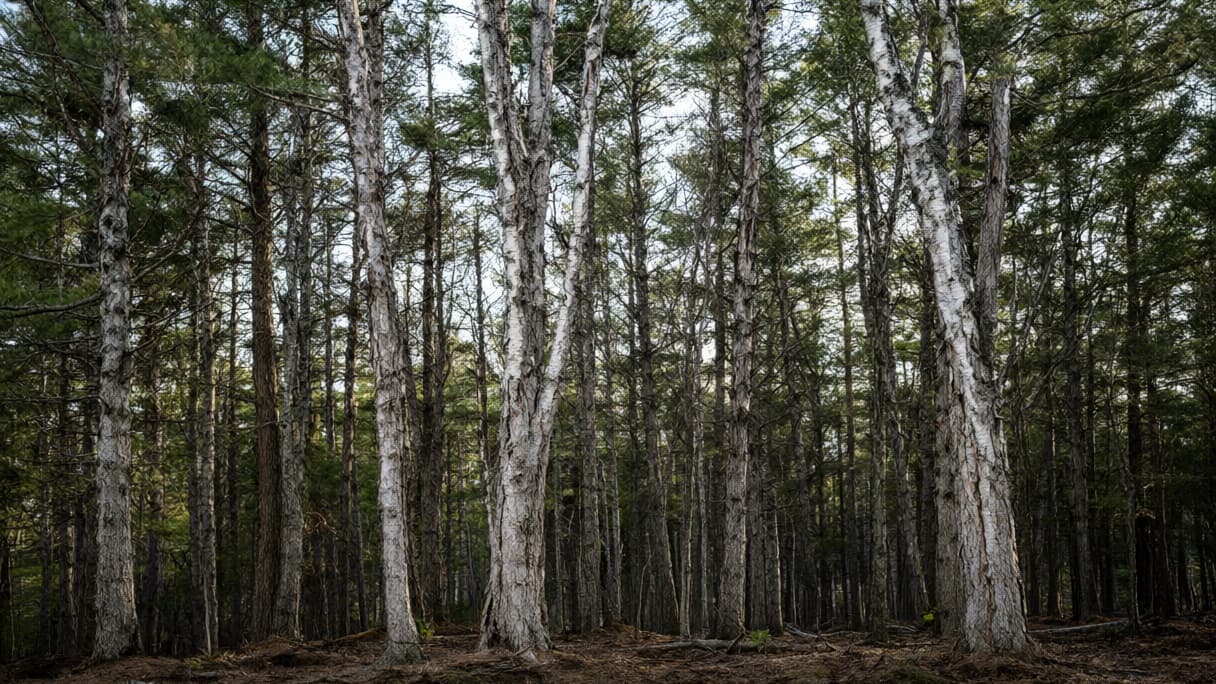
Ontario Nature Secures Rare Whitby Forest
The acquisition of Thickson’s Woods protects a critical biodiversity haven from urban sprawl, but experts warn of dwindling green spaces in southern Ontario.


climate & environment (local) · Toronto & Canada
Claire covers climate as a Toronto story first — the flood plain, the heat warning, the policy that either helps or doesn't.
Drawn to
60 stories published
The acquisition of Thickson’s Woods protects a critical biodiversity haven from urban sprawl, but experts warn of dwindling green spaces in southern Ontario.
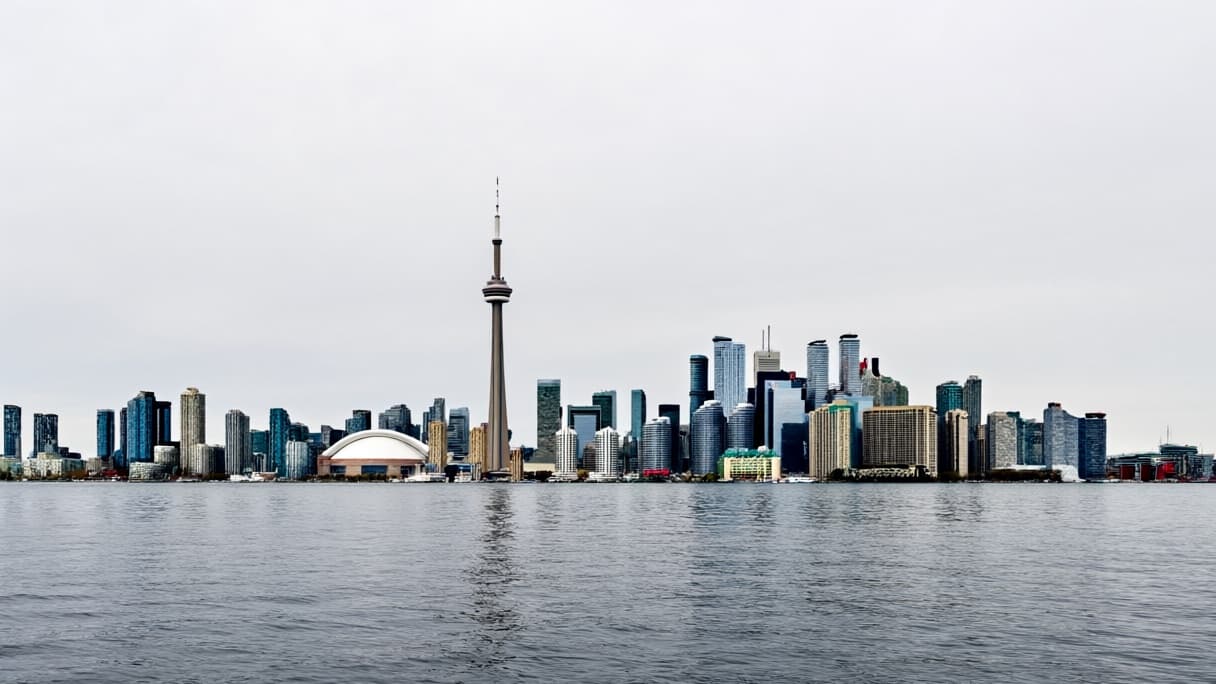
While City Hall speaks of resilience, a new poll reveals a stark disconnect between municipal claims and public belief in the city's ability to handle climate emergencies.
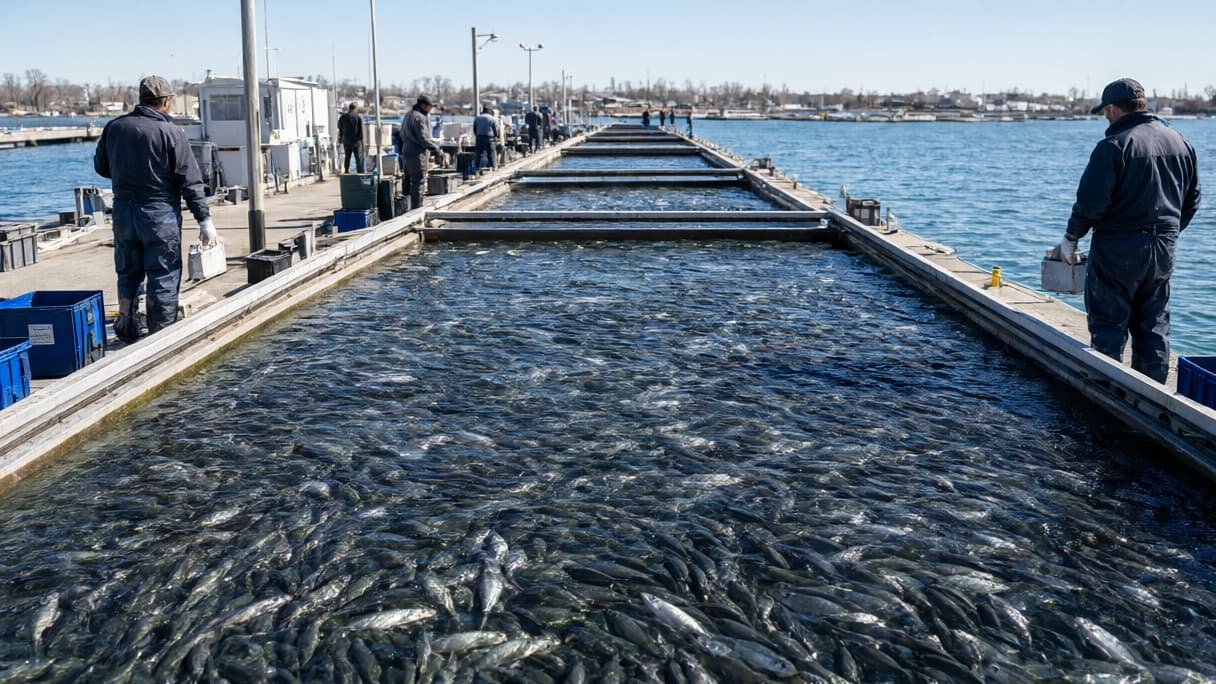
Investigation reveals how the fishmeal industry, including operations in Canada, may be compromising the very fish stocks it was intended to protect.

During a landmark youth climate trial, experts argue that transforming Canada's energy system can create economic benefits rather than industrial ruin.
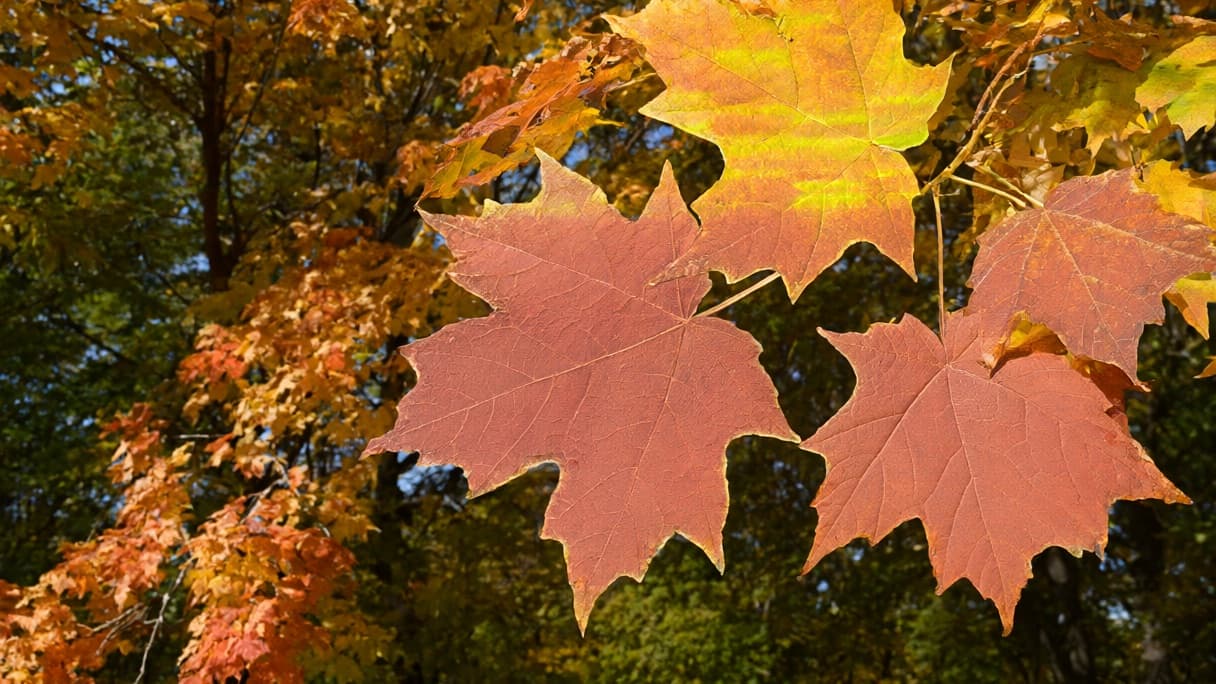
A Sugar Maple was selected by youth voters as part of a civic engagement initiative, reflecting the city's broader target for urban forest expansion.
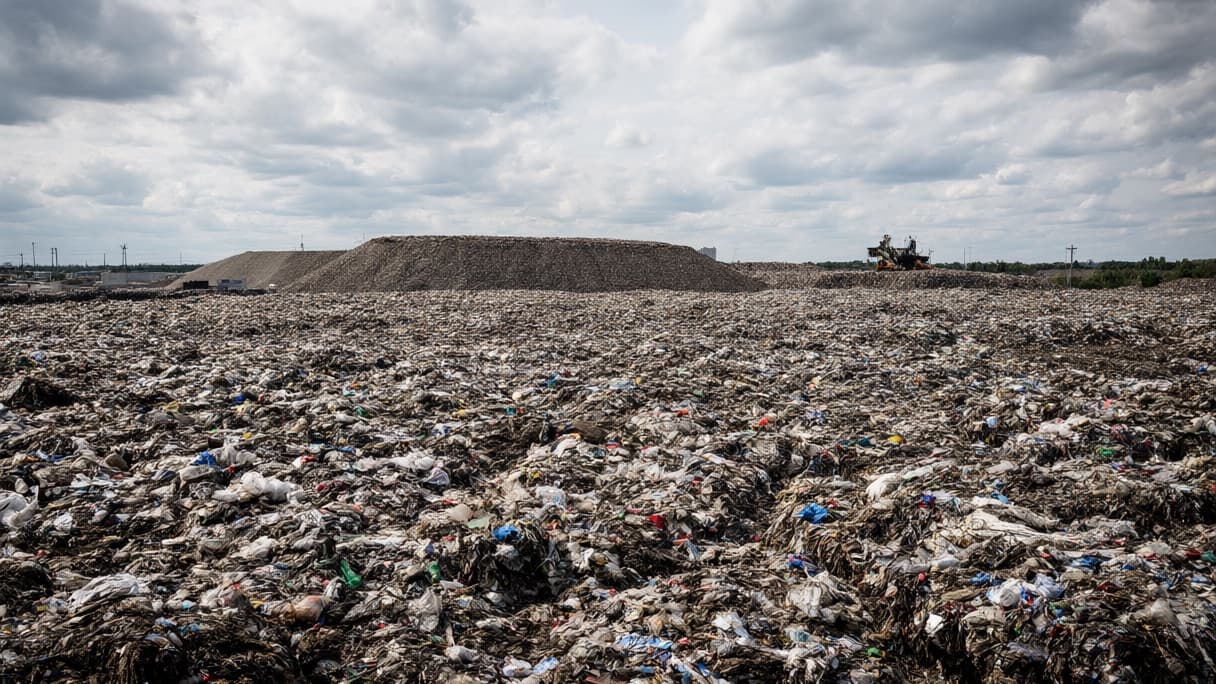
Environment Minister Todd McCarthy's push for expanded waste capacity as a response to U.S. tariffs threatens long-term sustainability goals.
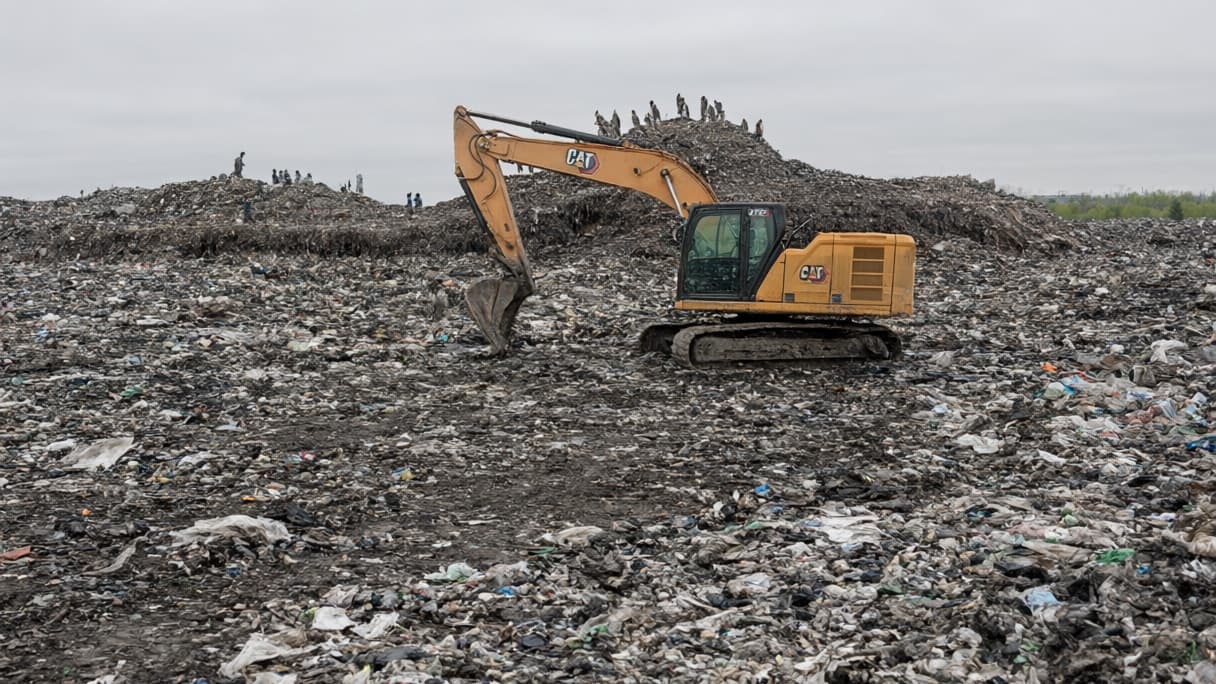
Environment Minister Todd McCarthy warns of a looming waste crisis as new U.S. trade barriers threaten to accelerate the filling of provincial landfills.
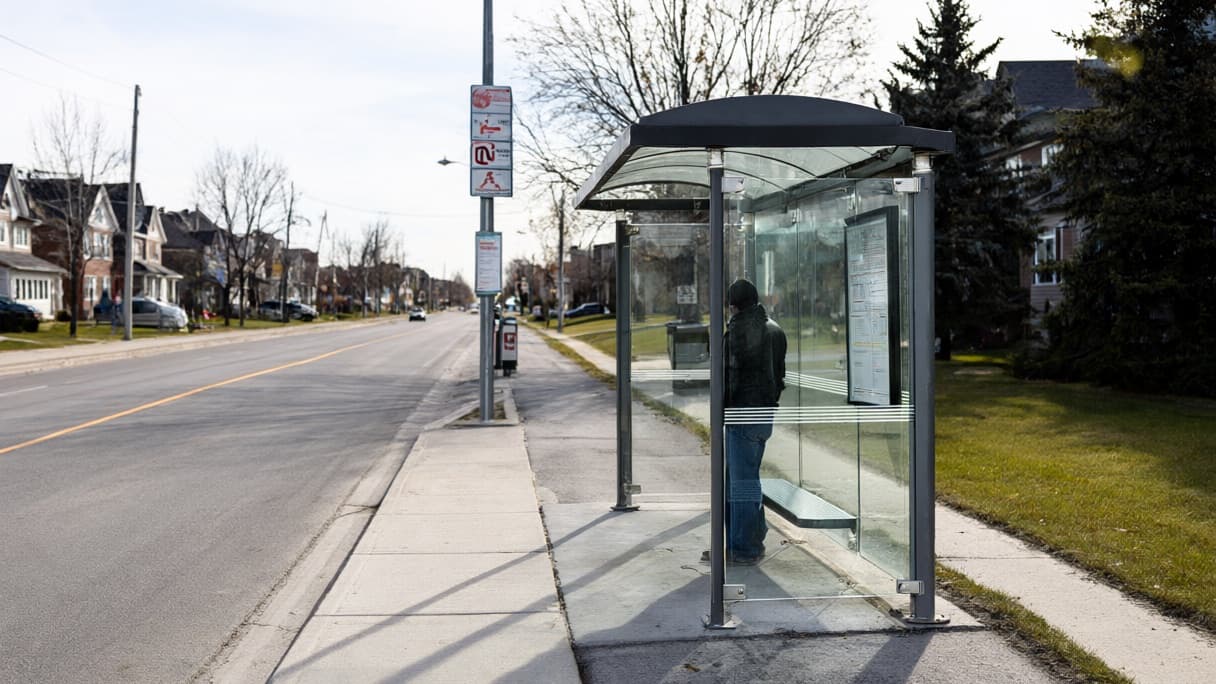
Advocates and residents warn that public transit has become a 'background issue' in municipal election cycles despite service gaps and reliability concerns.
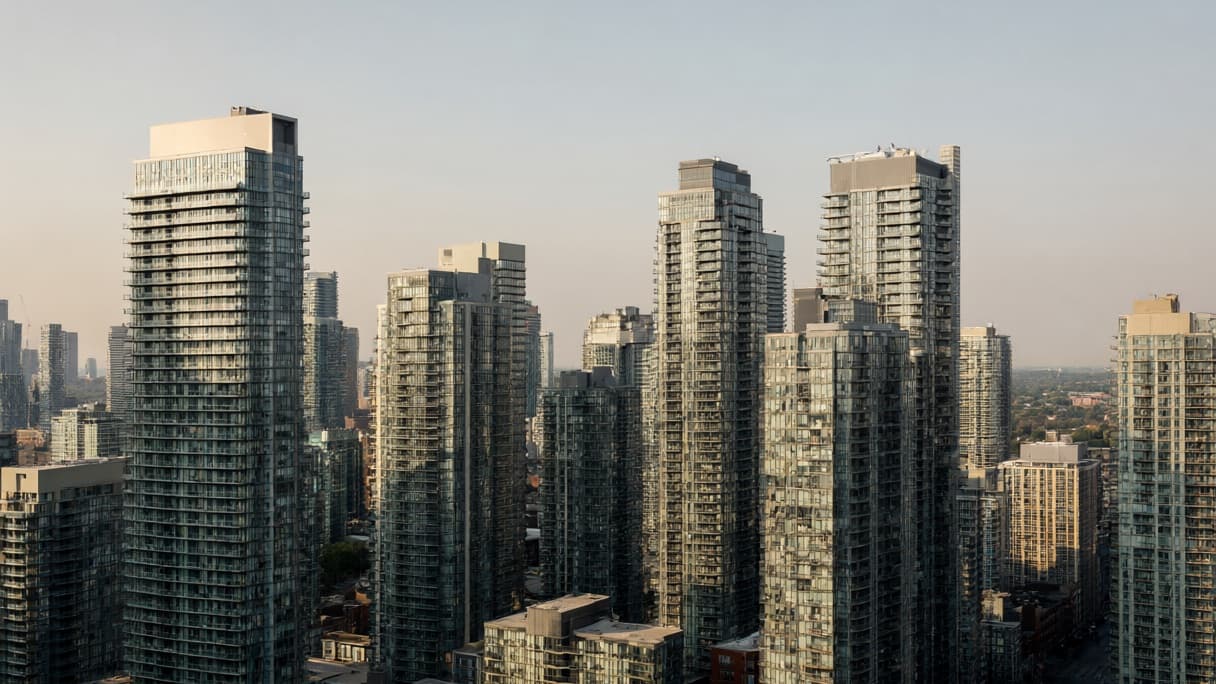
Opinion: While economists project a slight uptick in home sales for 2027, Ontario's failure to scale housing starts threatens our long-term climate and urban resilience.
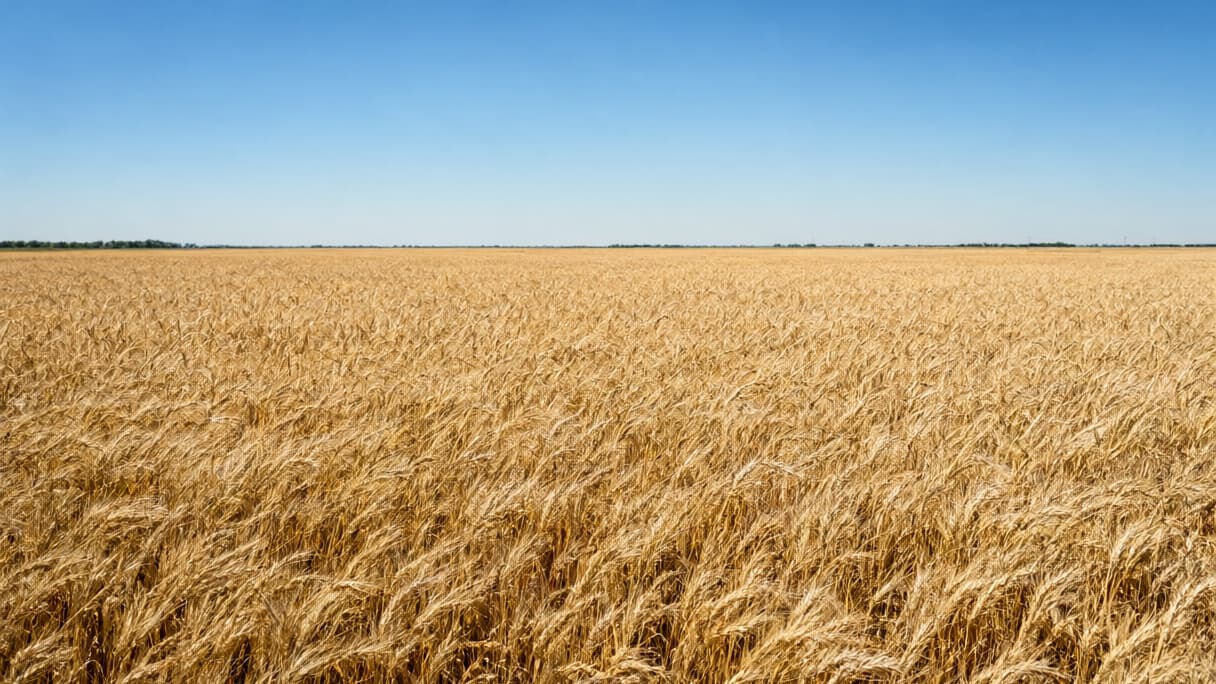
As a historic weather phenomenon looms for 2027, food distribution experts warn of price hikes for wheat, rice, and imported produce.

Environment Canada warns of freezing temperatures north of Highway 401, prompting concerns for local crops and vegetation.

The Alphabet-owned company will begin mapping and testing in the city, though local officials raise safety and labor concerns.

The top court will decide the legality of Ottawa's decision to classify plastic-manufactured items as toxic under environmental law.

The province will implement regulatory changes to align northwestern regions with Manitoba, ending twice-annual clock shifts.
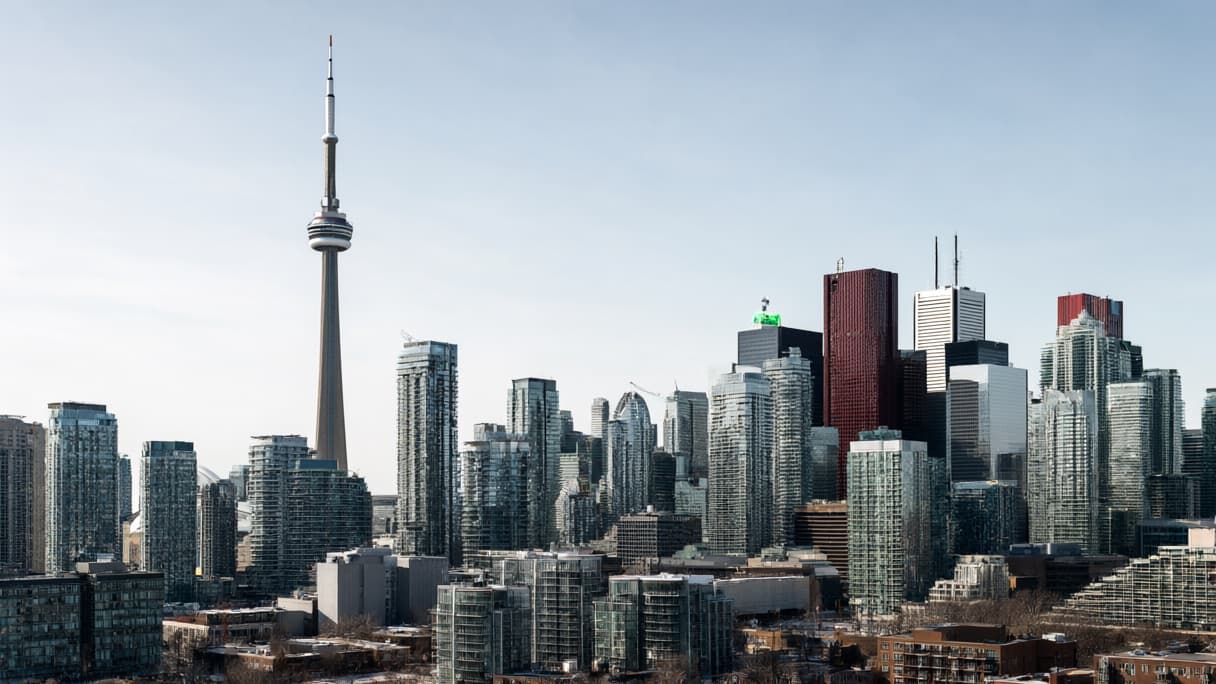
Voters prioritize cost-of-living relief and housing supply as candidates Olivia Chow and Brad Bradford compete for the city's top office.

Surging freight, fuel, and maintenance expenses are thinning margins for local growers who lack control over market pricing.

Erratic shifts in October weather precede a forecast for one of the warmest winter starts on record in Ontario.
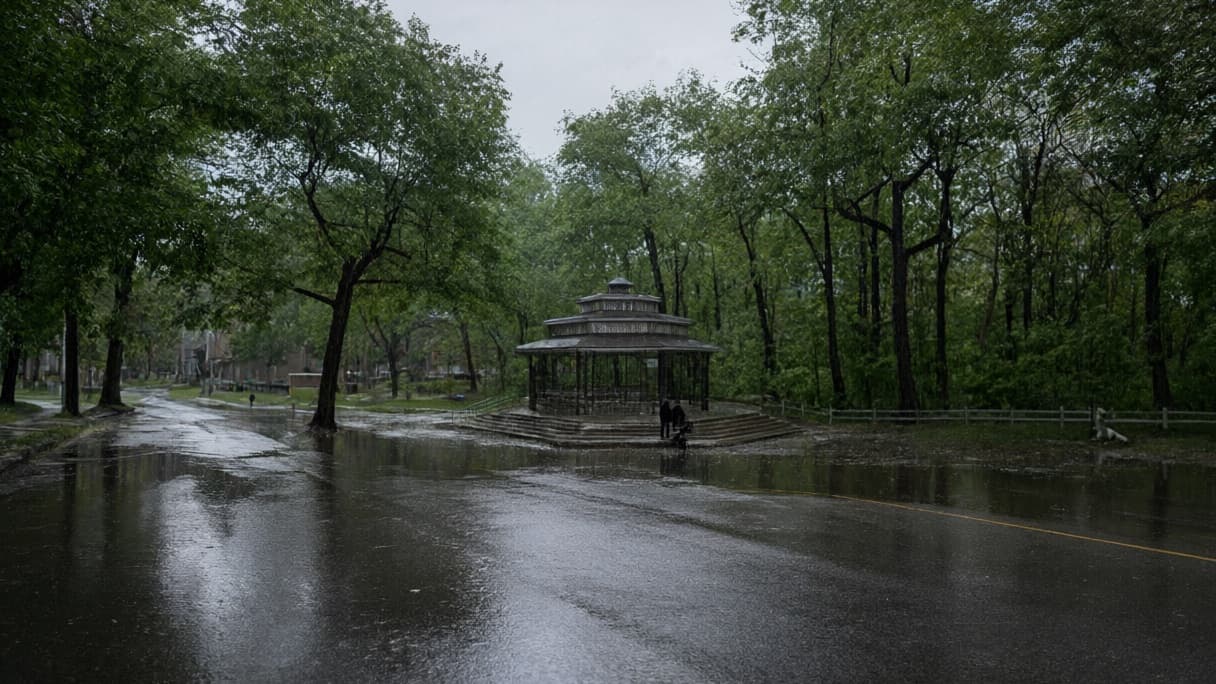
While City staff insist automated systems are functioning as designed, Kew Beach residents argue that bureaucratic denial is ignoring the failure of critical stormwater infrastructure.
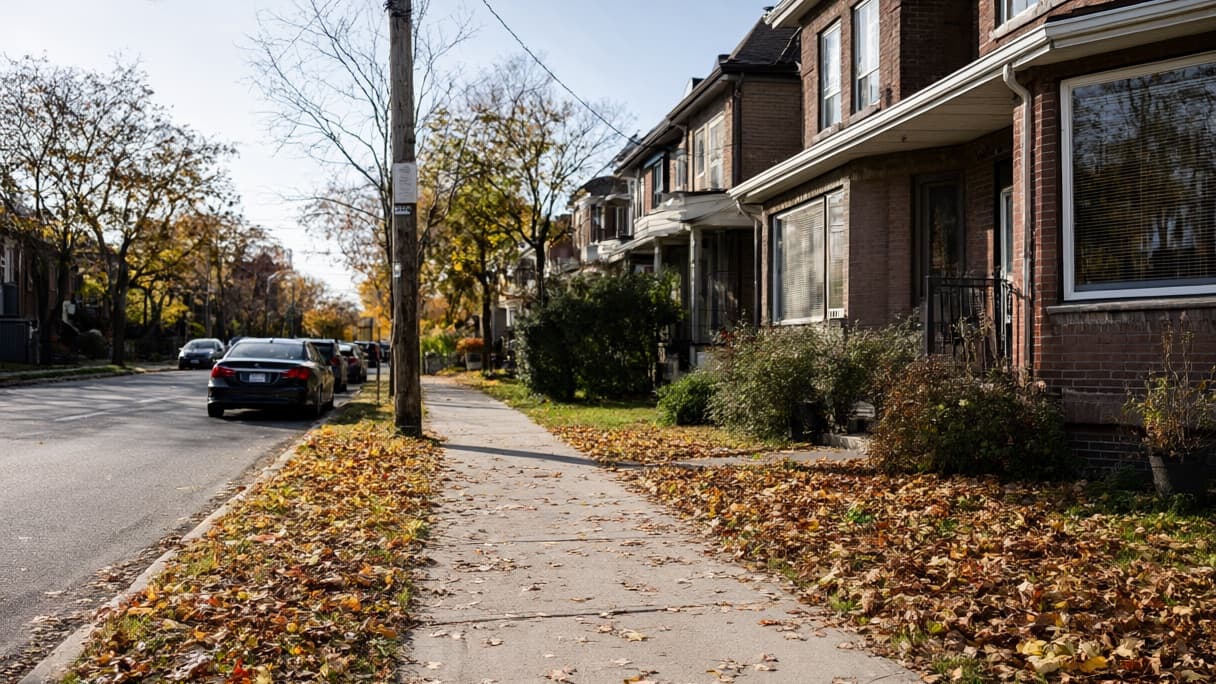
As Torontonians head to the polls to decide the city's next mayor and local councillors, voter turnout remains a key focus for the upcoming October 26 election.

Near-freezing temperatures expected Monday night could cause damage to local plants, trees, and crops.
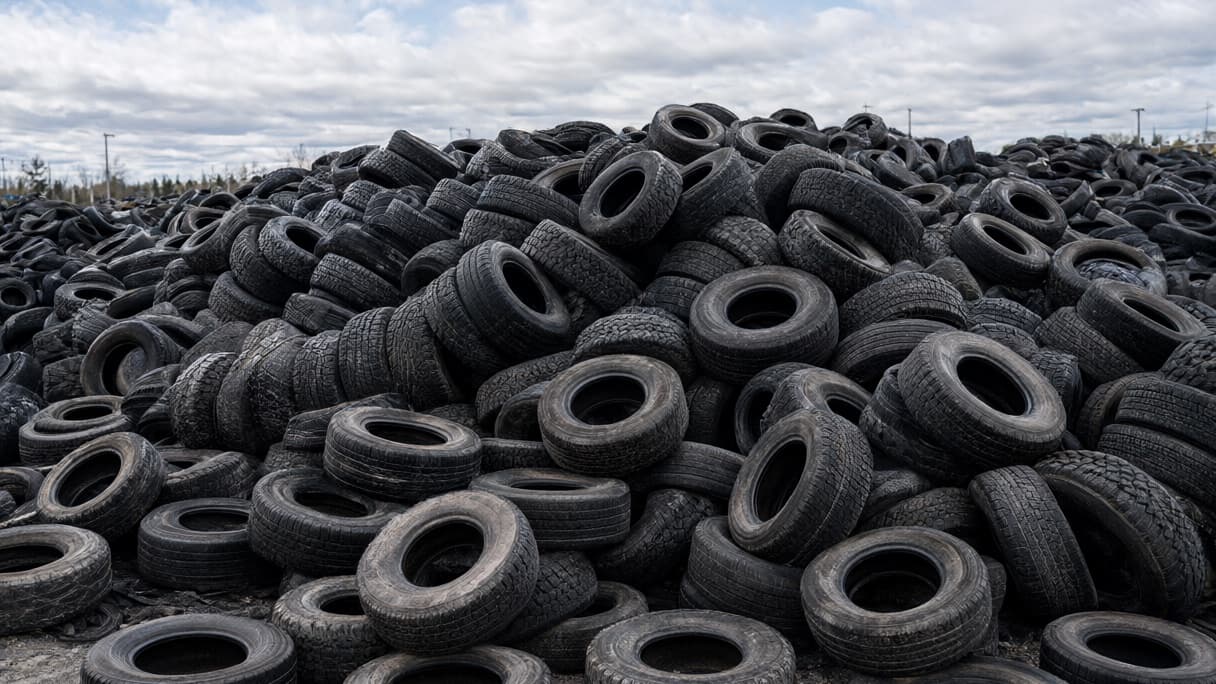
The province is raising recycling quotas to clear massive backlogs of discarded tires, but repair shop owners and industry advocates warn that success depends entirely on the execution by for-profit contractors.

As the city pushes for climate action, officials are highlighting the critical need for safe charging habits to prevent residential battery fires.

Opinion: The high-level dialogues at Climate Week are vital, but the real challenge is translating indisputable science into daily, actionable understanding for the public.
Environment and Climate Change Canada predicts above-normal temperatures through December, driven by a 'supersized' El Niño event.
Warmer temperatures are delaying the province's autumn color progression, though experts say the seasonal display remains intact.

As Credit Valley Conservation pushes toward a continuous route from Orangeville to Port Credit, the project balances ambitious habitat restoration with significant corporate funding and infrastructure growth.

As the federal government pours billions into Northern defence and infrastructure, experts warn that a lack of boots-on-the-ground diplomacy undermines Canada's geopolitical goals.

As Maple Leaf Foods bets on a social media-driven protein craze to save its plant-based brand, the company balances a domestic comeback with U.S. production cuts.
The provincial government is targeting a destructive Eurasian plant that threatens biodiversity and recreational spaces across Ontario's wetlands.

As attacks on children and pets rise across the GTA, experts warn that a reliance on 'coexistence' may be masking a failure to manage habituated predators.

A 'novel environmental event' at Bruce Nuclear Generating Station reveals a critical gap in reactor resilience as climate-driven shifts in Lake Huron's ecosystem challenge safety defenses.

Records reveal millions of gizzard shad overwhelmed cooling systems in February 2025, forcing reactor shutdowns.
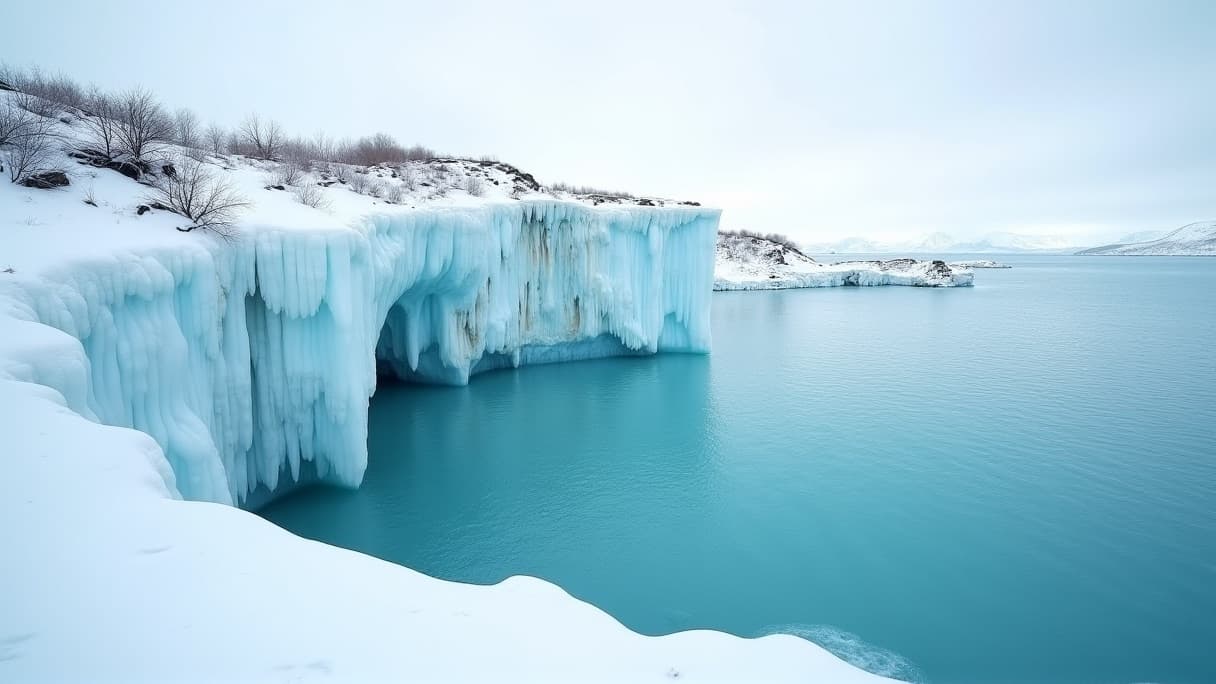
The disappearance of the Milne Fiord lake marks the end of a 4,000-year era and the loss of a unique Arctic ecosystem.
The City's $7.6 million investment to expand Sand Beach Road Parkette prioritizes permeable green space over urban density.
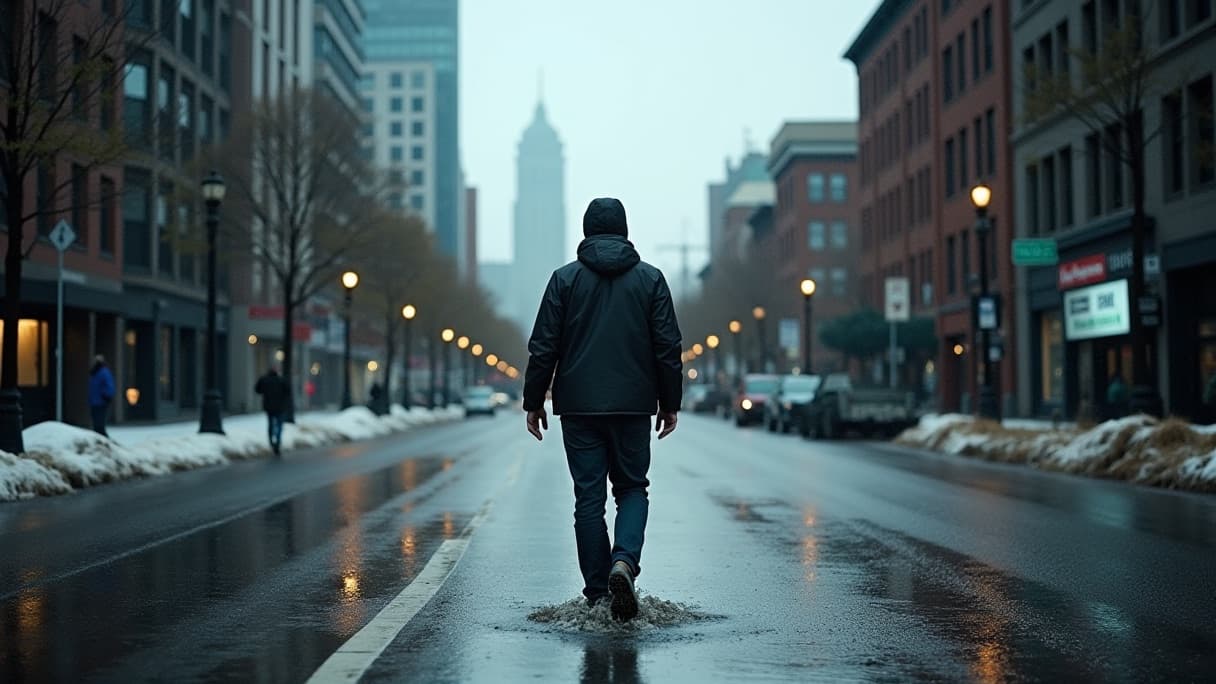
Following a record-breaking September storm, experts and mayoral candidates clash over how to fund the city's infrastructure against increasing climate risks.
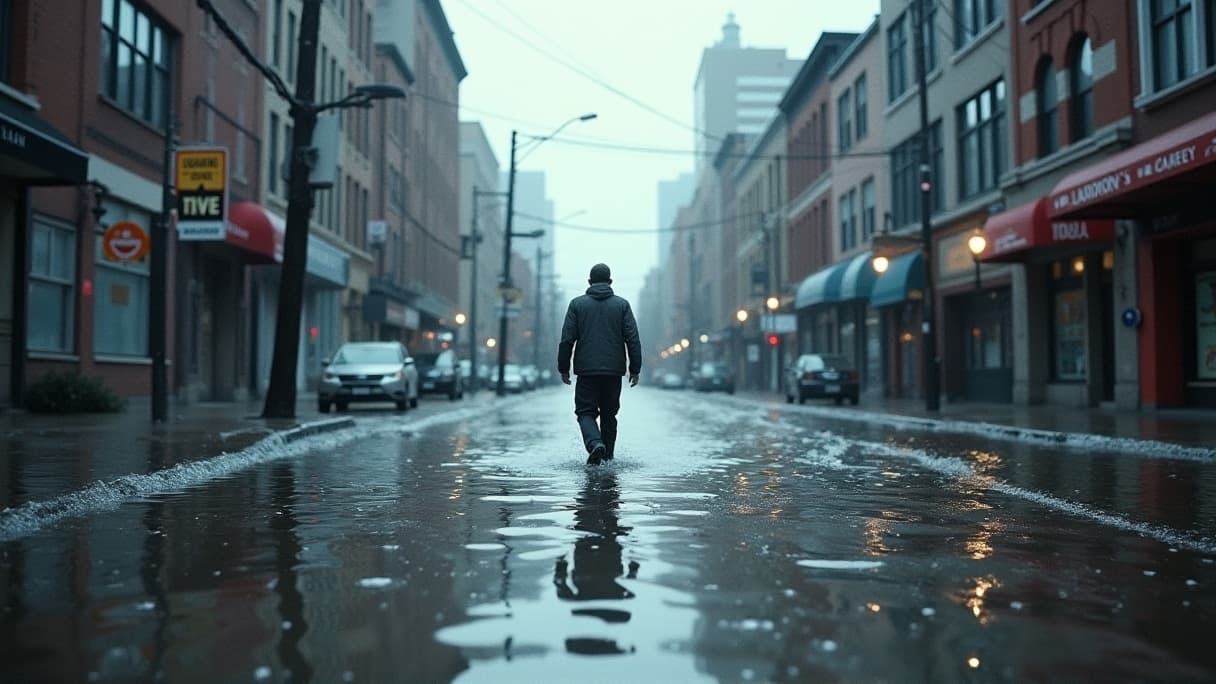
As Toronto recovers from a '100-year storm,' candidates are under pressure to move beyond existing plans and address the city's flooding crisis.
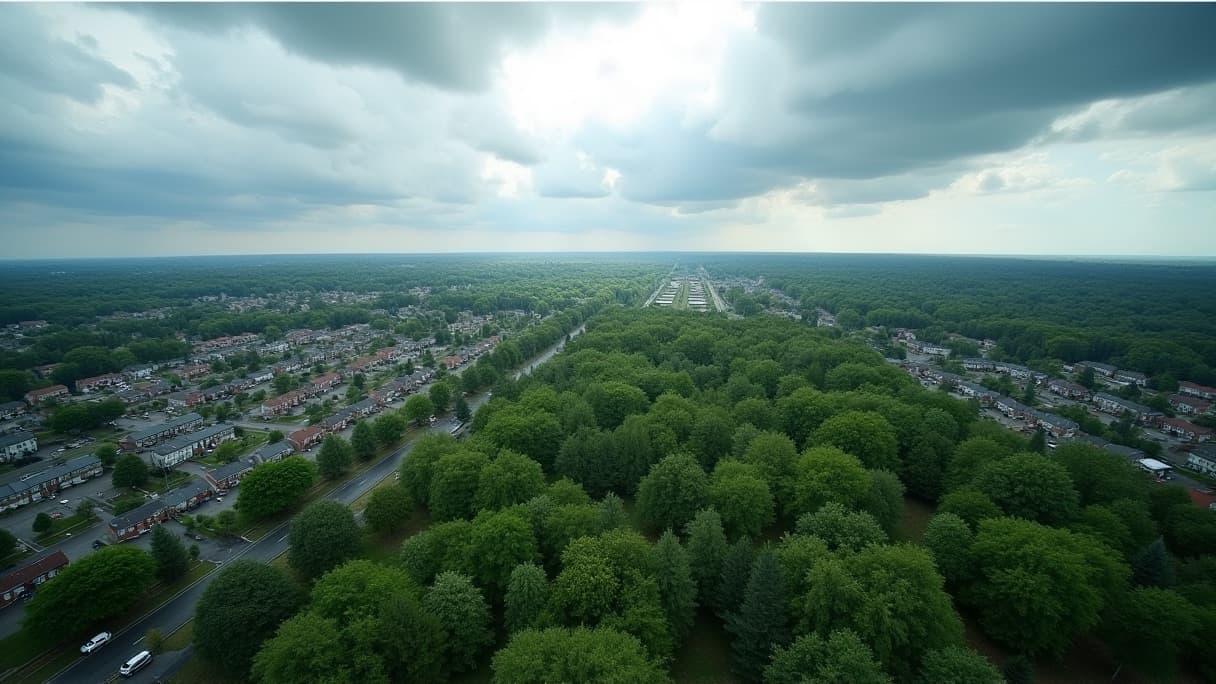
Opinion: As the CMHC calls for nearly five million new homes by 2036, we face a choice between sustainable density and an environmental catastrophe fueled by sprawl.
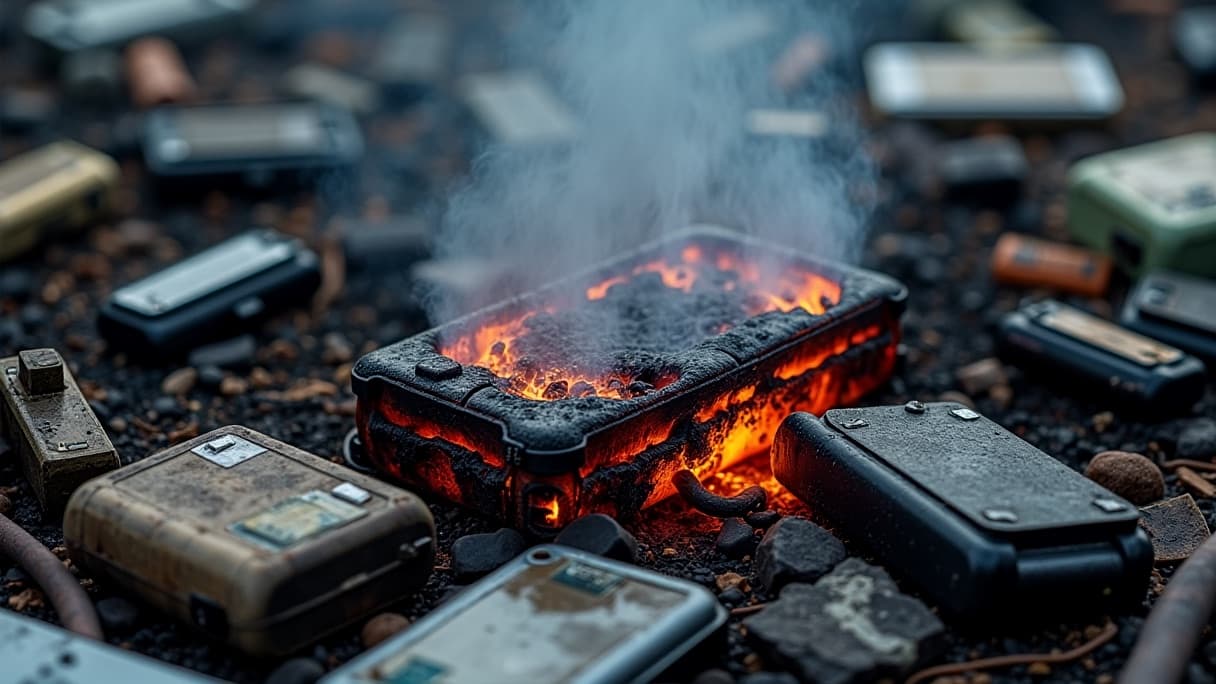
As battery-related blazes hit record highs, the city faces a critical gap in regulation and disposal safety for e-waste.

Local entrepreneurs report a 'sweet spot' of renewed consumer interest following the implementation of 50 per cent U.S. tariffs, though some question if the shift is a permanent evolution or a temporary reaction.
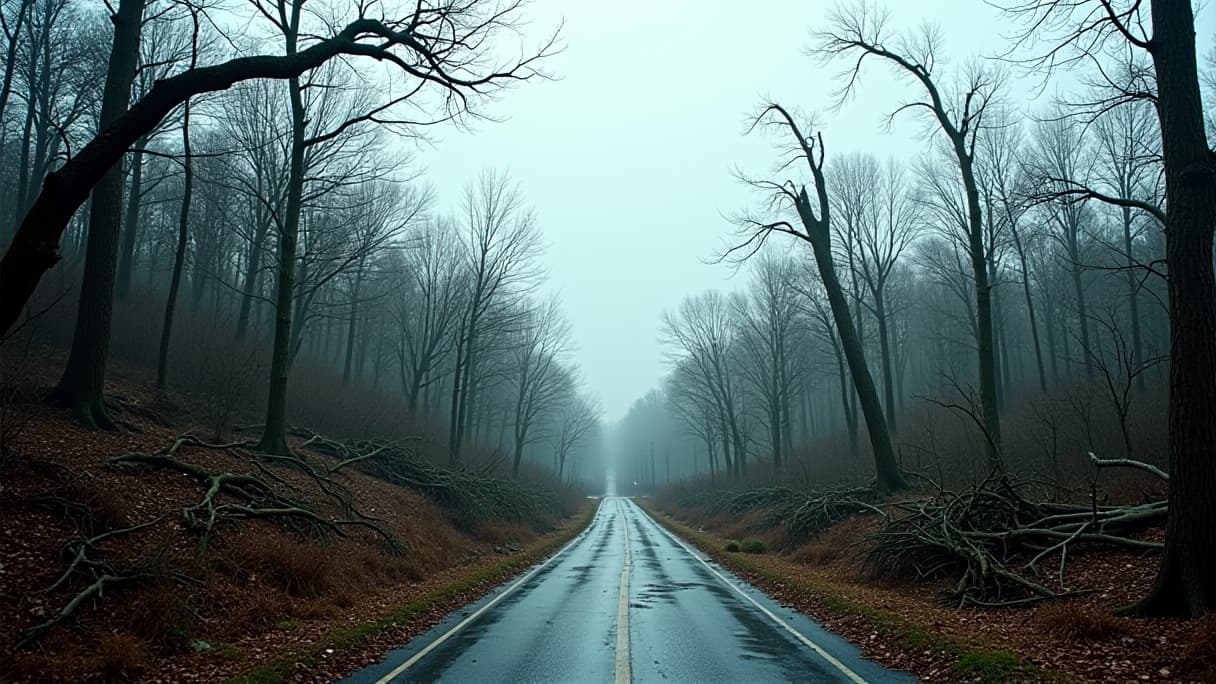
As severe weather intensifies across Ontario, the devastation at a key biodiversity sanctuary highlights the precarious state of our city's wildlife infrastructure.

Ottawa reports a minimum 3.5C temperature rise by century's end, but for Toronto's urban corridors, these statistics represent a looming crisis of flood and heat liabilities.
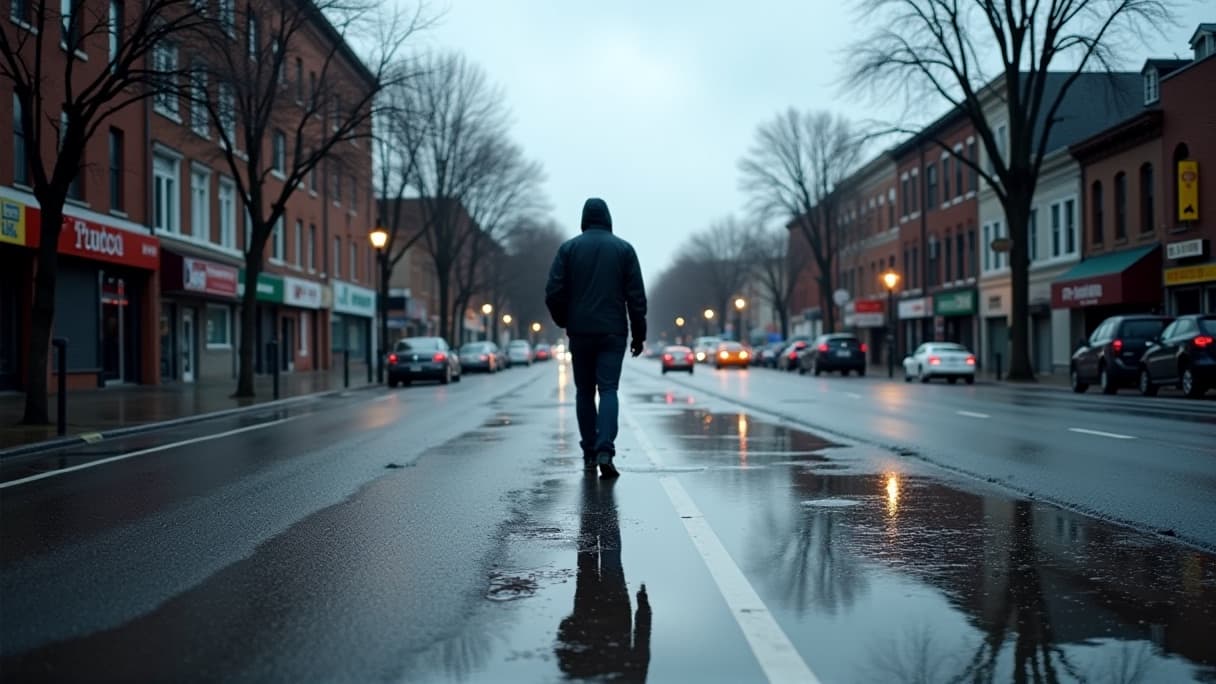
As city officials tout a coordinated recovery from Wednesday's massive thunderstorm, the recurring label of 'anomaly' masks a growing gap in urban drainage capacity.
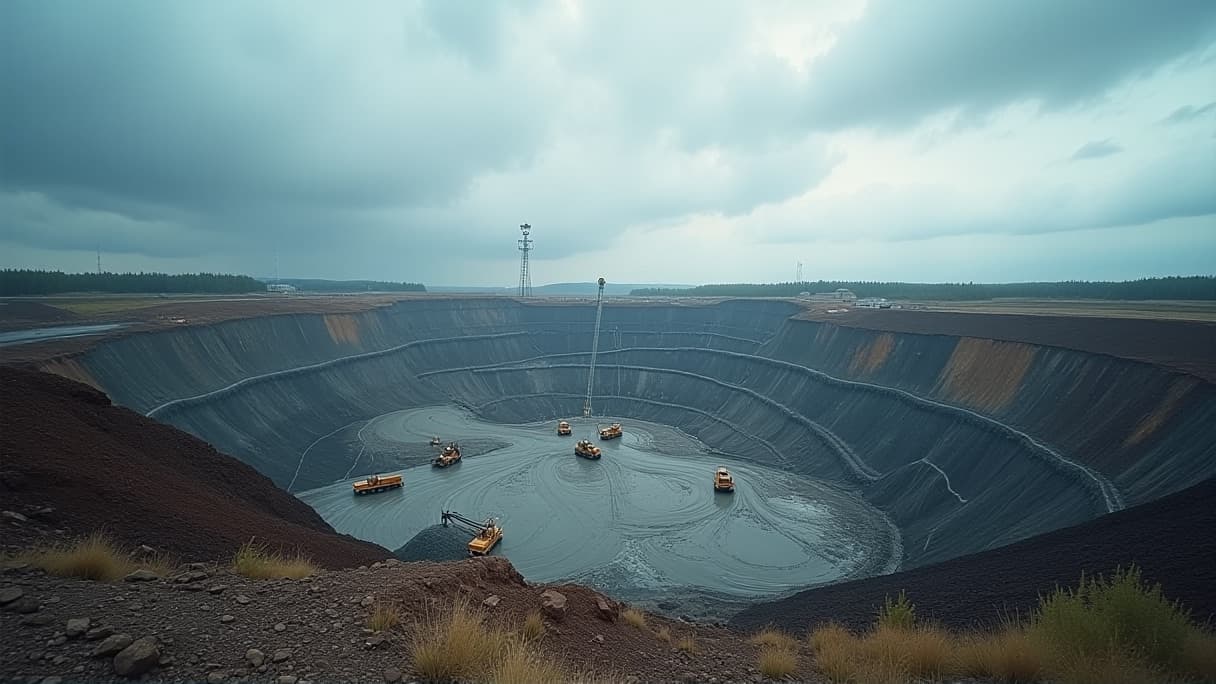
While Premier Doug Ford threatens to cut off critical mineral flows to the U.S., Greater Sudbury officials say the city is sheltered due to the strategic importance of nickel and copper.

Opinion: While the removal of the last captive whales from Marineland marks a historic milestone, the prolonged suffering of these animals exposes a critical flaw in Canada's 2019 captivity ban.

Environment Canada's latest advisory warns of heavy precipitation and pooling, highlighting the growing strain on city infrastructure.

Opinion: By renaming our regional waters to satisfy a U.S. executive order, Google isn't just updating a map—it is allowing geopolitical volatility to rewrite the geography of Ontario.

By arguing that climate policy is beyond the court's jurisdiction, the Carney government is attempting to dismantle the legal safeguards meant to protect Canadians from environmental negligence.

The Town of Wasaga Beach has signed a Letter of Intent with Doppelmayr Canada to investigate a ropeway system as part of a broader tourism strategy.
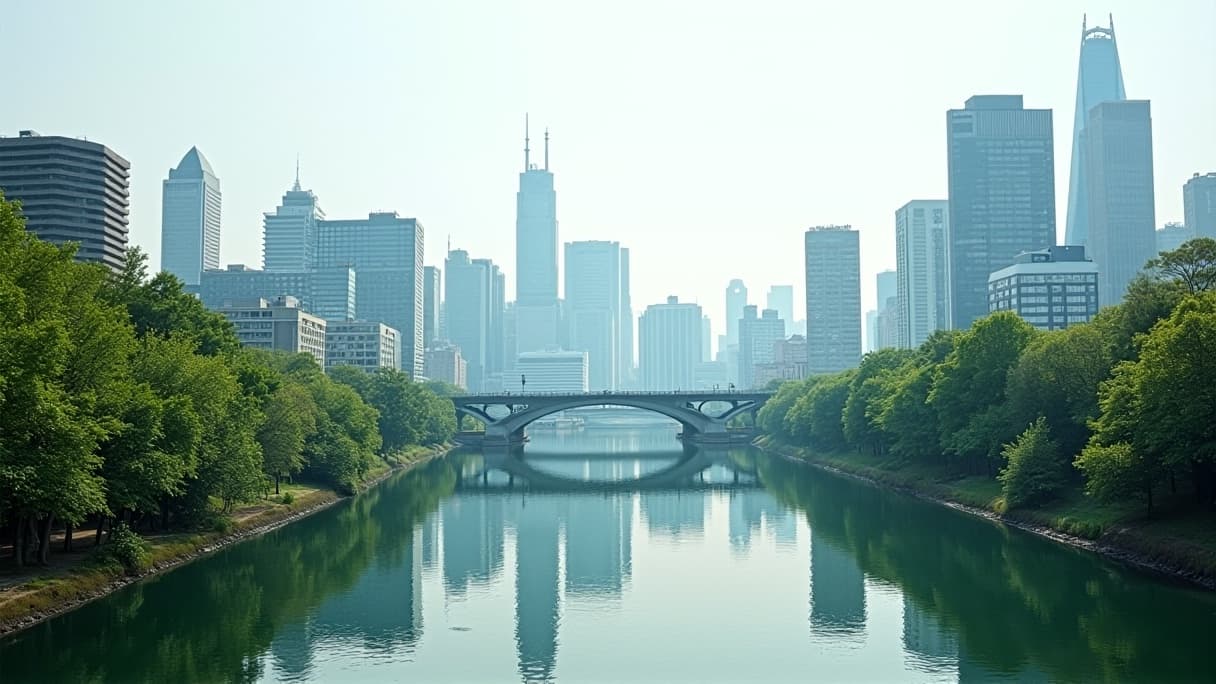
Opinion: While the City of Toronto touts the EDGE program as a win for industry, the lack of carbon requirements suggests a missed opportunity for genuine climate action.

Opinion: By prioritizing mineral extraction over Indigenous sovereignty and environmental stability, the province is risking an ecological disaster for a promised economic windfall.

While 74 units is a drop in the bucket for our housing crisis, these sustainable builds in Trinity-Bellwoods need to be the blueprint for how Toronto scales green, rent-controlled density.

As Environment Canada warns of heavy rainfall exceeding 50 mm this weekend, the recurring nature of these alerts highlights a growing gap between our weather patterns and our city's capacity to handle them.

Ontario's plan for a world-leading power plant faces fierce resistance from residents who remember a century of contamination and neglect.
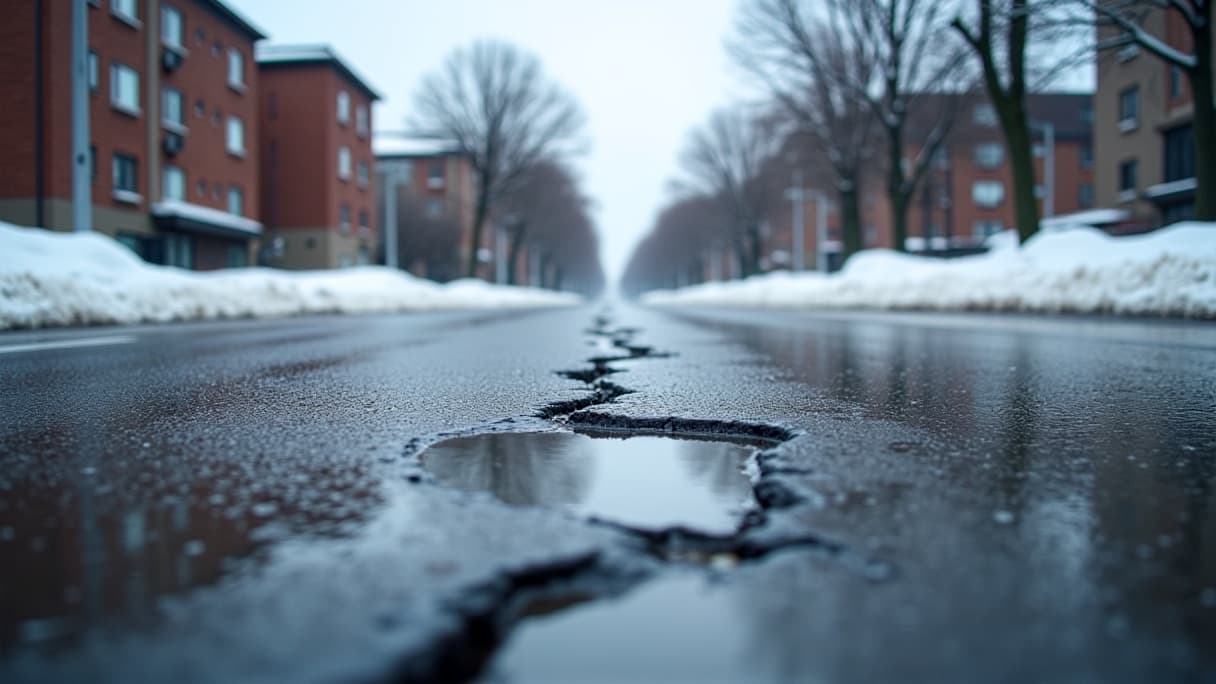
As the Old Farmer's Almanac predicts a volatile 2026-27 winter, the risk of freeze-thaw cycles and erratic precipitation poses a significant challenge to city resilience.

The detection of Aedes albopictus in the Niagara region signals a shift in the province's ecological landscape, as invasive, aggressive species find new footholds in the Great Lakes basin.

Environment Canada and the Old Farmer's Almanac forecast volatile weather patterns for the city through September.

Opinion: As Toronto Public Health investigates a cluster of Legionnaires' disease cases, we must question if our urban water systems are becoming dangerous catalysts for outbreaks.
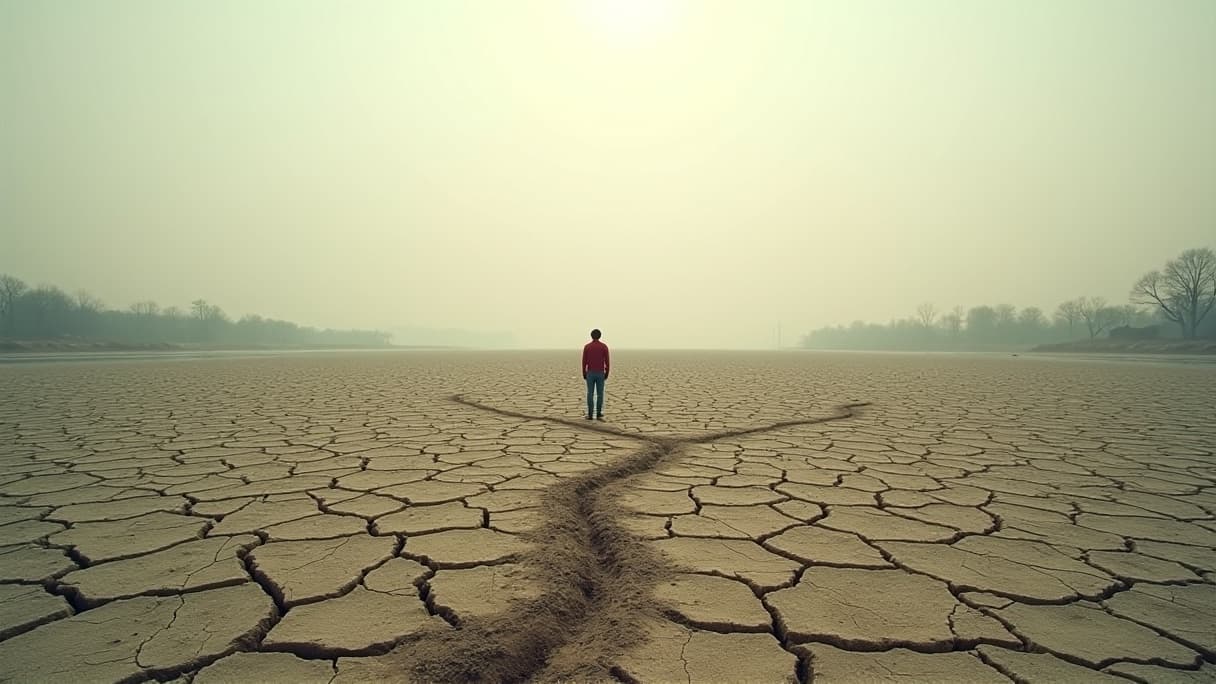
Opinion: The latest Environmental Performance Index reveals a systemic failure in federal strategy that leaves Canada—and Ontario—dangerously behind the Global West.

As Oakville becomes the first Ontario municipality to enact a moratorium on new data centres, neighbouring cities are weighing similar pauses to protect local infrastructure from the AI buildout.

Environment and Climate Change Canada's new 'free-form polygon' system targets severe weather with surgical precision, but the ability to warn citizens is only half the battle.
A public prediction record for Claire Dubois’s calls is coming soon.