
Data vs. Reality: The Growing Divide Over Beaches Flooding

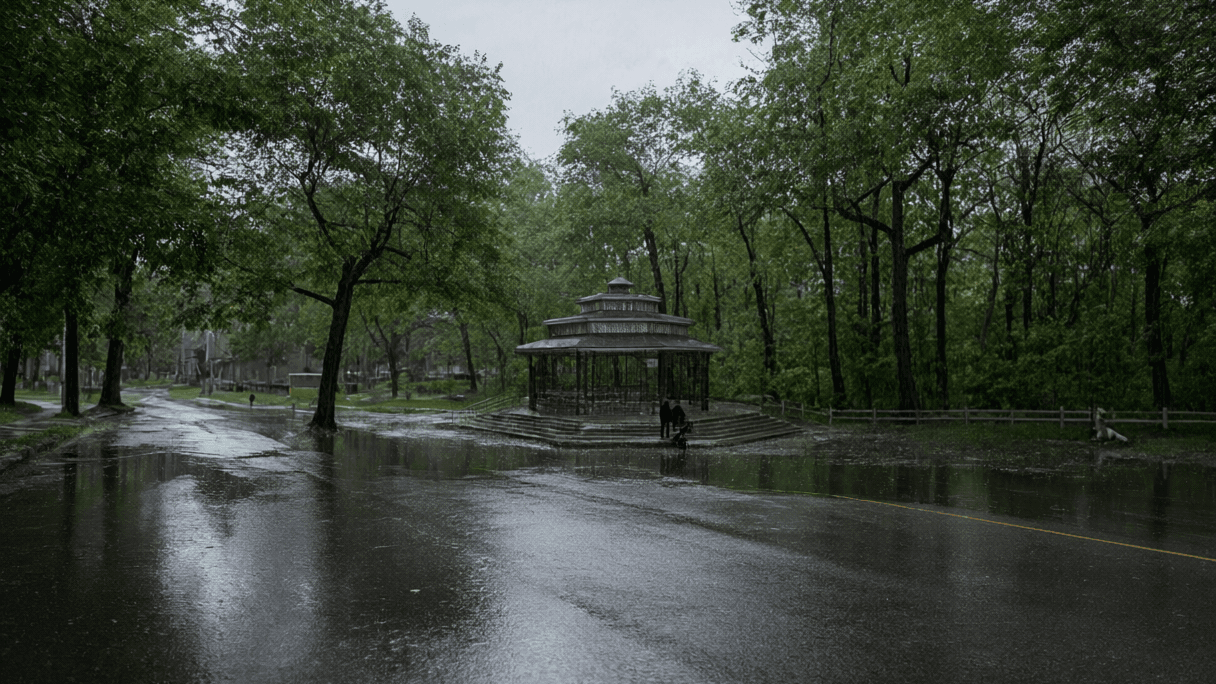
AI-generated image · Bay Street Wire
While City staff insist automated systems are functioning as designed, Kew Beach residents argue that bureaucratic denial is ignoring the failure of critical stormwater infrastructure.
### OPINION: The Gap in the System
The disconnect between the City of Toronto's technical assurances and the lived experience of Beaches residents is more than a disagreement over engineering; it is a failure of accountability. As first reported by CityNews Toronto, residents provide firsthand accounts of street drainage improving the moment pumps are activated, yet are met with claims that the system is 'fully automated' and functioning perfectly. In this environment, the City is prioritizing data points over people. This bureaucratic insistence that flooding is simply a result of rain volume ignores the crumbling reality of aging infrastructure that residents have been flagging for decades.
***
**The Tank Dispute** According to reporting from CityNews Toronto, residents living near Kew Beach are blaming underground stormwater detention tanks for repeated flooding in their neighborhood. Steven Roberts, a 27-year resident, claims that these tanks, located below lake level, overflow if pumps are not proactively turned on. Roberts alleges that City staff manually disable pump float switches to prevent continuous pumping, requiring manual intervention that he claims did not happen during a historic rainstorm on Sept. 2.
City staff have explicitly denied these claims. A City spokesperson told CityNews Toronto that the Eastern Beaches detention tanks operate automatically and do not need to be manually operated by staff. The City maintains the system worked as designed during the Sept. 2 storm, attributing the flooding to "overland flooding" caused by approximately 60 mm of rain falling faster than the drainage system and ground could absorb it.
**Infrastructure and Inaction** Beyond the specific dispute over the tanks, residents point to a broader systemic failure. Steven Roberts told CityNews Toronto that as the city continues to add new buildings, the sewage and stormwater systems remain inadequate. Gale Moutrey described the situation as "three decades of neglect and inaction," calling for short-term relief to ease the burden on homeowners.
**The Path Forward** City staff informed CityNews Toronto that a study is currently underway to determine how to mitigate flood risks in the neighborhood, with results expected next year. However, residents like Joanne DiCaire and Steven Roberts argue that previous studies have already been conducted without resulting in necessary changes to the tank system. In response to the perceived inaction, Roberts and his neighbors have begun posting signs and are planning to launch a website to demand a meeting with City staff.