
Transit Riders Say Durham Candidates Ignoring Infrastructure Crisis

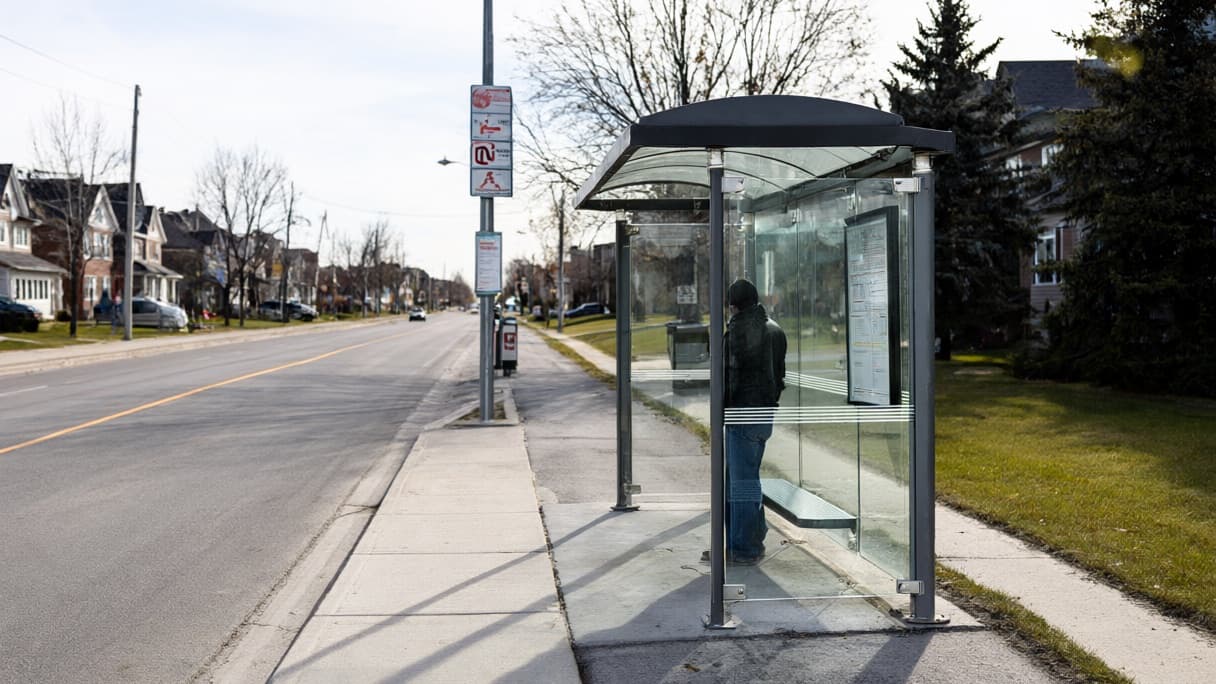
AI-generated image · Bay Street Wire
Advocates and residents warn that public transit has become a 'background issue' in municipal election cycles despite service gaps and reliability concerns.
As municipal elections approach, transit riders and advocacy groups are warning that candidates in the Durham Region are treating public transit as a footnote. According to reporting from CBC Toronto, critics argue the system is failing to keep pace with community needs while candidates ignore the issue on their platforms.
Michael Gemmink, a Pickering resident, described the Durham transit service as "abysmal" and "deeply" unreliable, citing overcrowding, missed schedules, and significant coverage gaps. Gemmink noted that walking to the nearest bus stop can take between 20 and 50 minutes depending on the location. He also highlighted that fares—$4.85 in cash or $3.84 via Presto—act as a barrier for lower-income users.
CBC Toronto reports that several notable candidates have offered limited transit specifics. Pickering Mayor Kevin Ashe has pointed to the start of construction on the Durham-Scarborough rapid transit initiative, though his social media and platform lack further transit ideas. Coun. Lisa Robinson has not specifically mentioned transit on her platform, though she stated she would limit development based on community need and existing infrastructure capacity.
In Oshawa, mayoral candidate Coun. Derek Giberson has proposed turning traffic lanes into two-way streets downtown to calm traffic. Meanwhile, the region's proposed gondola project to connect Highway 407 to Lake Ontario remains a point of contention; Coun. Tito-Dante Marimpietri has publicly opposed the project, while neither Coun. Jim Lee nor Coun. Derek Giberson have voiced support for the idea.
Dale Perlas, the Durham Region lead for More Transit Southern Ontario, told CBC Toronto that across all Durham municipalities, transit has moved to the periphery of election platforms. Perlas noted that service adjustments made during the pandemic have left many neighborhoods without coverage and have yet to fully recover.