
Waymo Eyes 2028 Toronto Launch for Driverless Taxi Service

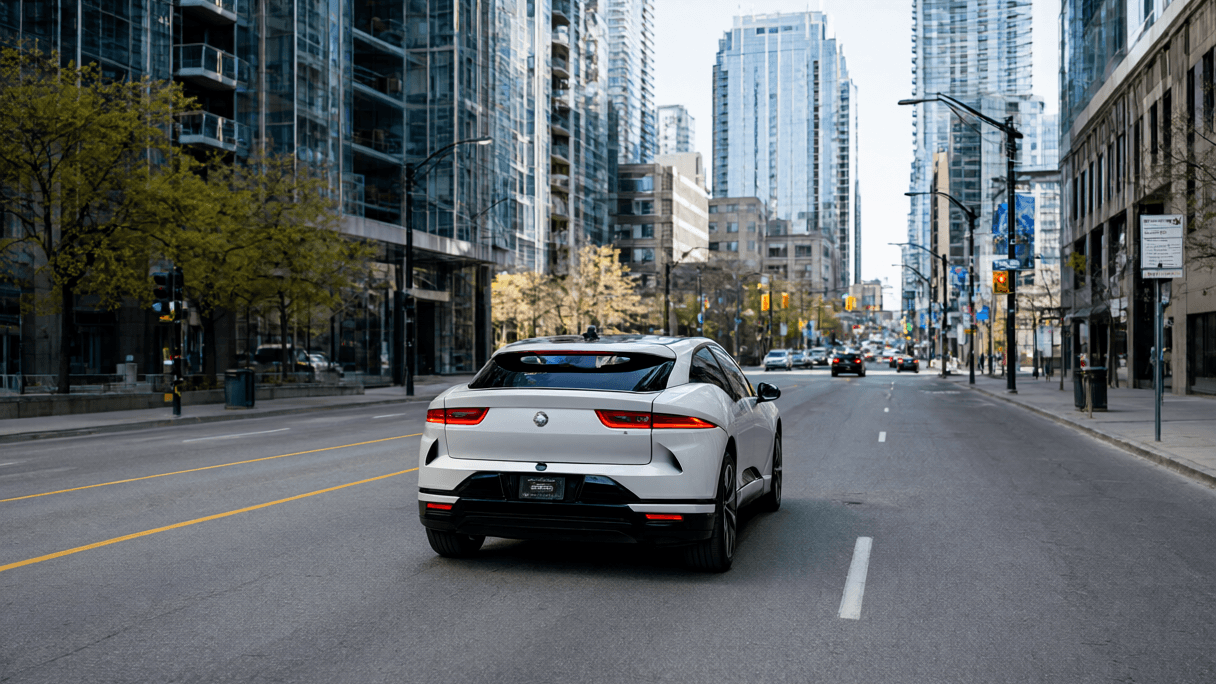
AI-generated image · Bay Street Wire
The Alphabet-owned company will begin mapping and testing in the city, though local officials raise safety and labor concerns.
Waymo, the autonomous ride-hailing operator owned by Alphabet, announced Friday it plans to launch driverless taxi services in Toronto by 2028. According to reporting from CBC Toronto and CityNews Toronto, the company will begin a phased rollout in the coming days, starting with high-definition mapping of local street networks and testing conducted by trained specialists behind the wheel.
Waymo's expansion is approved under Ontario's Automated Vehicle Pilot Program. The company, which utilizes an all-electric Jaguar I-PACE fleet in several U.S. markets, is partnering with Toronto-based Element Fleet Management to handle customer service, maintenance, and fleet operations. CityNews Toronto reports that the expansion is expected to create hundreds of local jobs in operations and validation driving.
While Waymo cites data claiming its technology reduces serious injury crashes by 95% compared to human drivers, Toronto Mayor Olivia Chow expressed concerns regarding the safety of residents and whether the vehicles will be held to the highest standards. Mayor Chow also noted concerns regarding the impact on existing ride-share and taxi drivers.
Other autonomous vehicles have previously operated under the provincial pilot, including Magna International's delivery trucks and Gatik's autonomous box trucks for Loblaw. However, CBC Toronto reports that city staff previously informed the province that some tested vehicles experienced frequent abrupt stops, rebooted in traffic, and were unable to make right turns at red lights.
Laura Miller, head of policy and communications for Uber Canada, told CityNews Toronto that while she supports the technology, governments and industry must establish clear safety standards and prepare for the impact on workers before driverless services become commercially available.