
Super El Niño Threatens to Spike Ontario Grocery Costs Amid Climate Instability

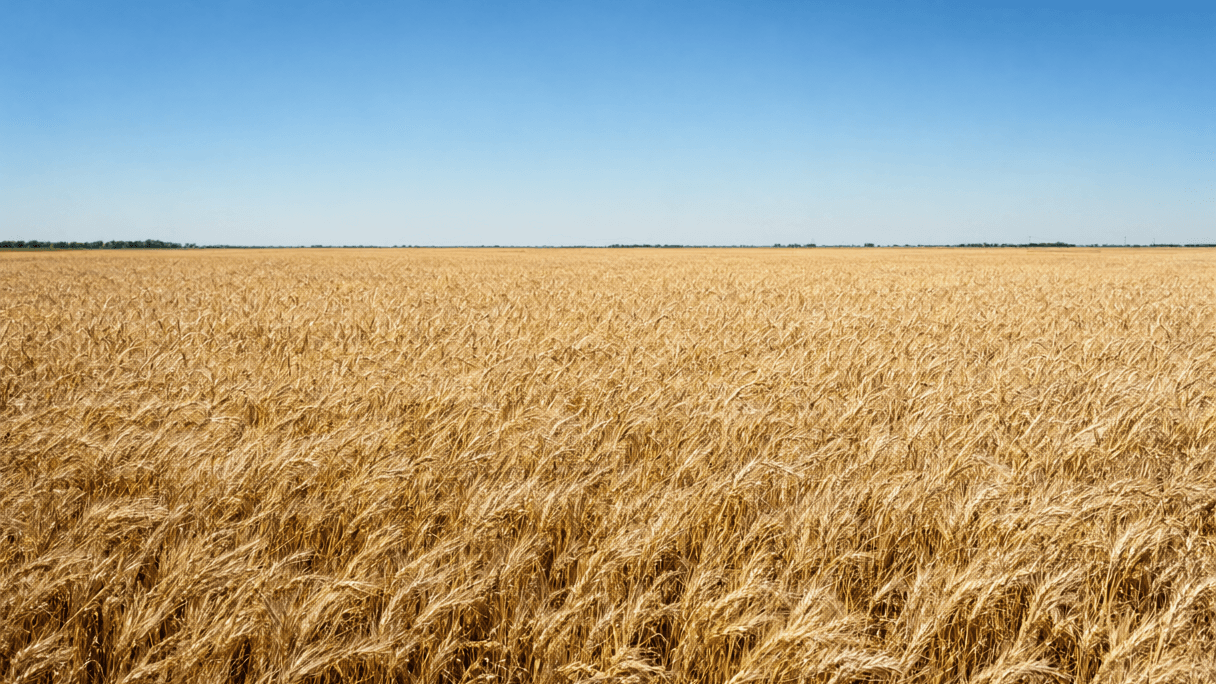
AI-generated image · Bay Street Wire
As a historic weather phenomenon looms for 2027, food distribution experts warn of price hikes for wheat, rice, and imported produce.
A historic "Super El Niño" is threatening to drive Canadian grocery prices higher in 2027, according to reporting from BlogTO. The Food and Agriculture Organization of the United Nations warns that the weather phenomenon could trigger extreme heat and droughts in some regions while causing heavy rain and flooding in others, potentially damaging crops and reducing global harvests.
Sylvain Charlebois, a food distribution and policy researcher and professor, detailed these risks in an Oct. 13 report published via Retail Insider. Charlebois notes that during the previous super El Niño event in 2015 and 2016, the resulting increase in wheat and rice costs drove up food processing expenses, leading to retail price hikes six to nine months later.
Several staple ingredients have already seen significant year-over-year price increases, according to Charlebois:
* **Wheat:** Prices have risen 48.4%. * **Rice:** Prices have climbed 38.9%. * **Corn:** Prices are up 29.7%. * **Soybeans:** Prices have increased 21.4%. * **Sugar:** Prices have risen 17.1%.
These costs impact a wide range of consumer goods, from bread and pasta to tofu, soy milk, and sugary snacks. For example, Loblaws currently lists Silk soy milk (946 mL) at $3.79 and Que Pasa tortilla chips at $5.25. At Food Basics, a loaf of Villaggio sliced white bread is listed at $4.19 and Selection all-purpose flour at $3.77.
Beyond crop failure, the Canadian dollar's weakness is a primary concern for imported produce. BlogTO reports the currency is currently at US$0.70. Charlebois estimates that if the dollar drops to US$0.68, inflation for vegetables could reach 5.5% and fruit inflation could hit 4%. This would impact winter staples imported from the U.S. and Mexico, such as bell peppers, lettuce, avocados, and bananas. For instance, a container of cherry tomatoes priced at $3.99 at Food Basics could rise to approximately $4.21.
While some items like cocoa and coffee have seen price decreases, the overall outlook remains volatile. This comes as Statistics Canada reports that Canada's annual inflation rate rose to 3.1% in September, driven largely by gasoline prices which jumped 27.8% year-over-year due to conflict in the Middle East, as reported by CBC News.
Although Statistics Canada noted that grocery prices rose by a smaller margin of 1.7% year-over-year in September—the smallest increase since May 2024—the agency highlighted that overall grocery prices have climbed 33.0% since September 2020. Bank of Canada Governor Tiff Macklem has warned that high global energy prices could continue to influence the central bank's inflation outlook.