
A 'Modest Rebound' is Not a Strategy for a Livable Toronto

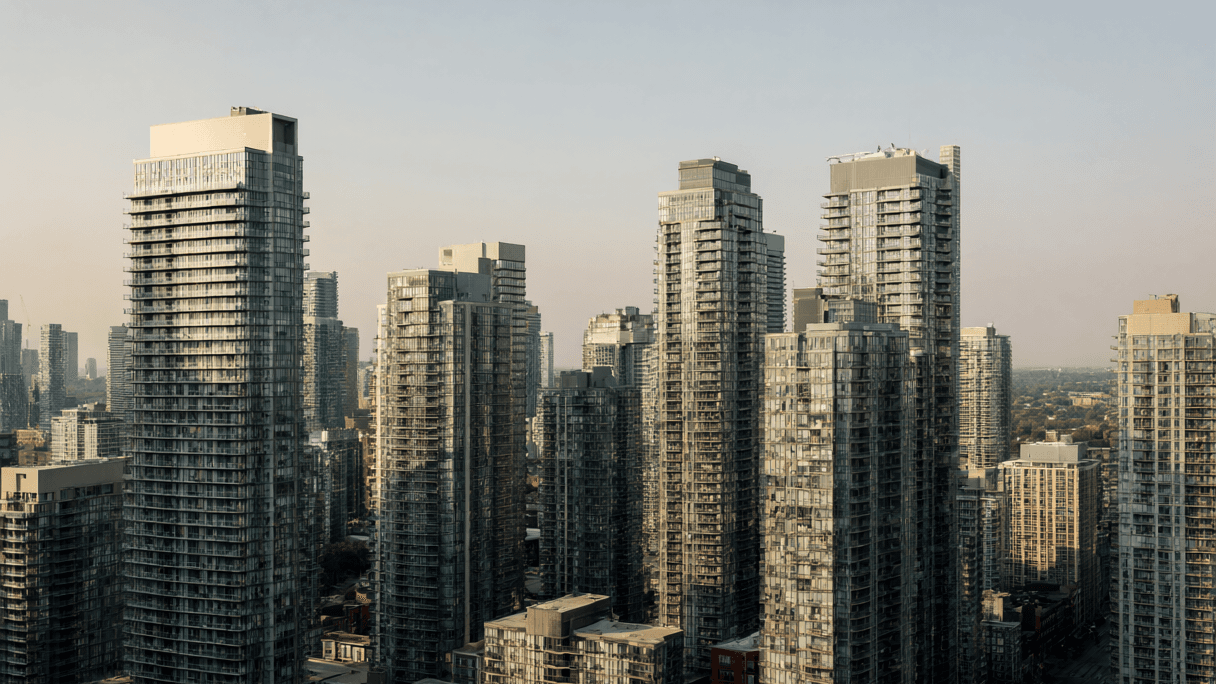
AI-generated image · Bay Street Wire
Opinion: While economists project a slight uptick in home sales for 2027, Ontario's failure to scale housing starts threatens our long-term climate and urban resilience.
The latest projections for Ontario's housing market are being framed as a sign of recovery, but for those of us watching the urban fabric of Toronto unravel, these numbers are a distraction. As first reported by CityNews Toronto, a report from Desjardins indicates the province is looking at a "modest" rebound in 2027. While a slight uptick in activity might satisfy a balance sheet, it does nothing to address the systemic failure to build the high-density, climate-resilient infrastructure our city desperately needs.
Desjardins senior economist Kari Norman describes the current housing sector as "weak." While Norman predicts that existing home sales will rise by nearly five per cent in 2027 compared to this year, she notes that these figures remain well below long-term norms. We are not witnessing a recovery; we are witnessing a stagnation that prevents the necessary shift toward sustainable, dense urban living.
Even more alarming is the trajectory of new construction. CityNews Toronto reports that housing starts are projected to rise by roughly six per cent, reaching nearly 65,000 units in 2027. However, the reality is that this figure is still more than 30 per cent below the levels seen in 2021 and 2022. When we fail to build at the scale required for a growing metropolitan area, we face an environmental crisis: without a surge in high-density completions, the pressure to expand outward fuels sprawl.
Furthermore, the economic headwinds are not disappearing. The analysis indicates that the interest rate environment will likely remain challenging, with the Bank of Canada expected to implement two rate hikes in 2027. These hikes will not only limit affordability but will continue to drive up construction financing costs, throttling the development of the purpose-built rentals and condominiums we need.
Desjardins suggests that rental conditions may remain relatively balanced because new completions are adding supply at a time when population growth is expected to be weak. We cannot afford to be comforted by a 2.4 per cent projected price increase. If our housing starts remain 30 per cent lower than their 2021-2022 peaks, we are effectively admitting that we have given up on the density required to sustain a modern, green city. A "modest rebound" is a failure of ambition.