
The Ring of Fire Road: A High-Stakes Gamble with Northern Ontario's Future

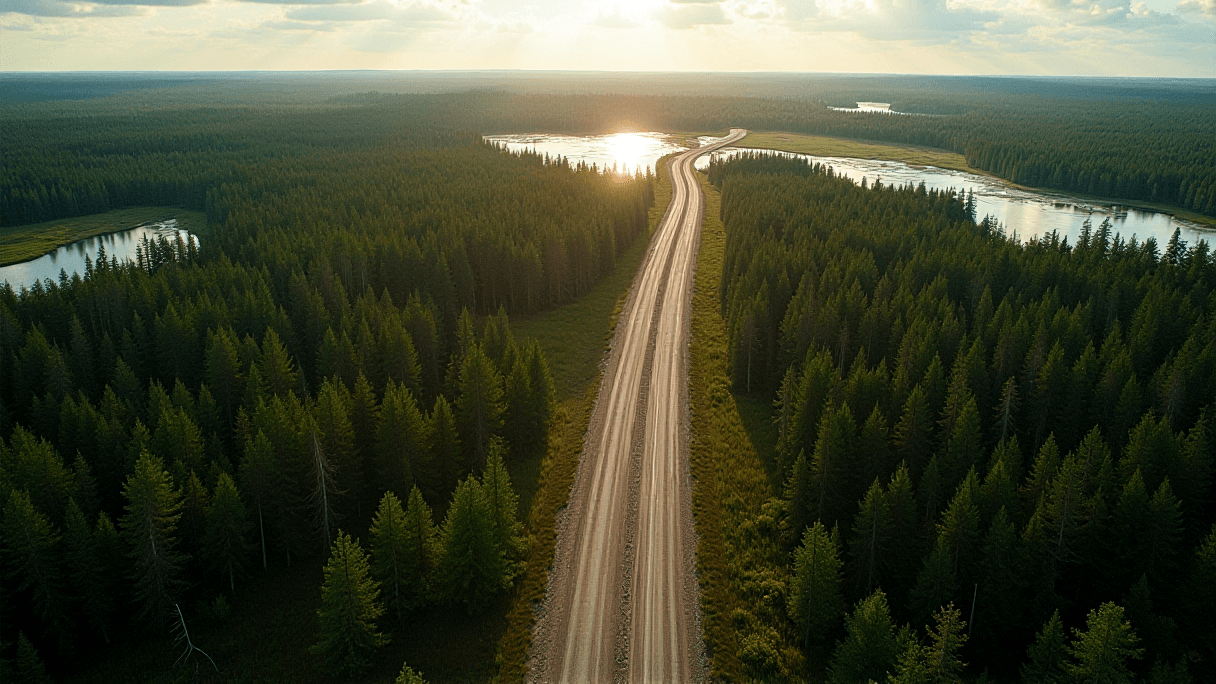
AI-generated image · Bay Street Wire
Opinion: By prioritizing mineral extraction over Indigenous sovereignty and environmental stability, the province is risking an ecological disaster for a promised economic windfall.
The Ontario government recently announced, as BlogTO first reported, that construction has officially begun on the "Ring of Fire Road," a network designed to link critical mineral reserves in the north to the province's highway system. While Premier Doug Ford frames this as a necessary shield against economic attacks from U.S. President Trump, we must ask: at what cost does this "resiliency" come?
According to reporting from BlogTO, the province has already moved on major upgrades to the Painter Lake and Anaconda roads as of June 30, 2026. In a rush to unlock what the Ford government claims is $22 billion in economic potential and 70,000 "good-paying" jobs, the project is now running two years ahead of schedule, with a target opening date of November 2030. But speed is exactly what should worry us.
This is not merely a transit link; it is a high-stakes gamble. To expedite this vision, the provincial government fast-tracked Bill 5. As BlogTO reports, this legislation creates sweeping new economic zones that are not subject to the same rigorous regulations applied in other parts of the province. By stripping away these environmental safeguards, the government is signaling that the extraction of minerals is more important than the stability of Northern Ontario's ecosystem.
Furthermore, the province's narrative of "collaboration" is starkly contradicted by the reality on the ground. Greg Rickford, Minister of Indigenous Affairs and First Nations Economic Reconciliation and Minister Responsible for Ring of Fire Economic and Community Partnerships, has called the project "an extraordinary opportunity" to collaborate with the Aroland First Nation, yet the initiative is far from universally welcomed.
BlogTO notes that the project has faced fierce opposition from various Indigenous groups. Specifically, the Neskantaga First Nation and Attawapiskat First Nation, alongside the Friends of the Attawapiskat River, have launched court challenges against the province. These legal battles underscore a fundamental truth: the Ring of Fire project prioritizes mineral extraction over genuine Indigenous sovereignty.
When a government bypasses rigorous regulation via Bill 5 and faces lawsuits from the very communities it claims to support, it is no longer pursuing "partnership"—it is pursuing profit. We cannot allow the promise of G7 competitiveness to blind us to the permanent ecological and social scars this road will leave behind. The Ring of Fire should not be a shortcut to economic growth if it means abandoning our environmental responsibilities and the rights of First Nations.