
The Arrival of the Asian Tiger Mosquito: A Warning Sign for Ontario's Warming Climate

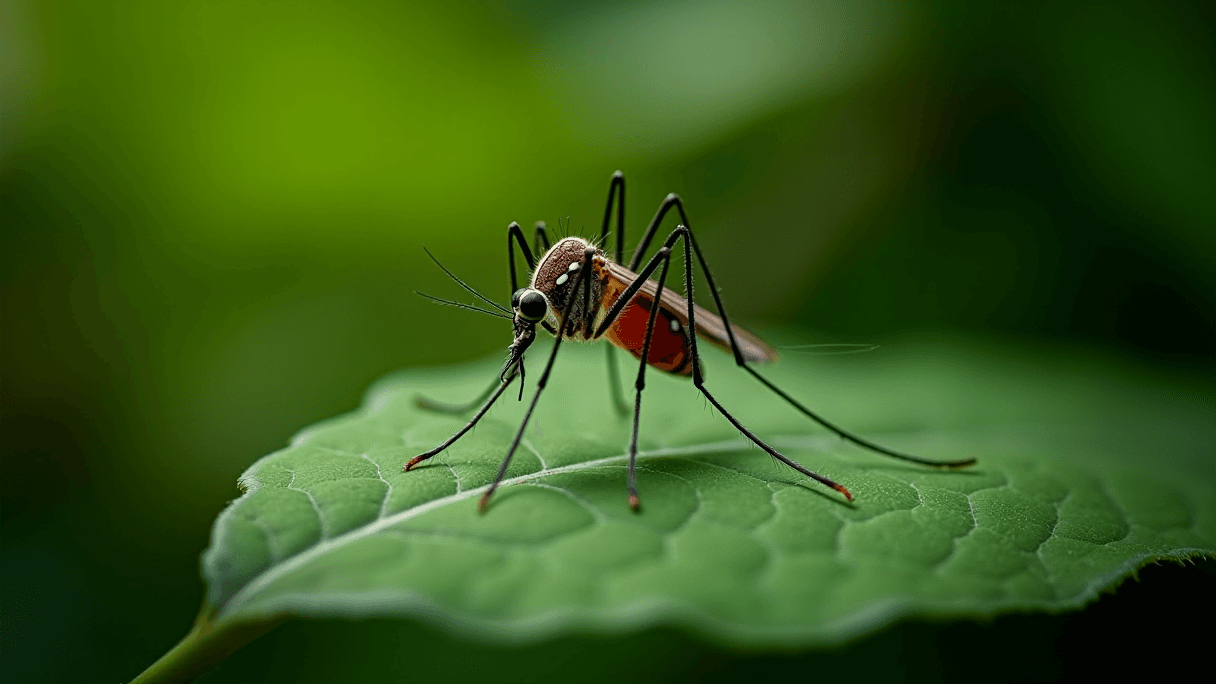
AI-generated image · Bay Street Wire
The detection of Aedes albopictus in the Niagara region signals a shift in the province's ecological landscape, as invasive, aggressive species find new footholds in the Great Lakes basin.
The discovery of a single Aedes albopictus mosquito in the Niagara region is more than a footnote in a public health report; it is a stark indicator of how Ontario's environmental conditions are evolving to support invasive species. As Global News Toronto first reported, Niagara Region Public Health identified the specimen, commonly known as the Asian tiger mosquito, through its active surveillance program in Lincoln, Ont.
While the immediate threat may seem contained—the specific mosquito found in Lincoln tested negative for any mosquito-borne viruses—the presence of this species marks a concerning trend. The Asian tiger mosquito is native to Southeast Asia and has been documented in Windsor since 2016. Its migration into the Niagara area suggests that the geographical barriers that once kept such species at bay are eroding.
From a public health perspective, the Asian tiger mosquito introduces a different set of risks than the species typically encountered in Ontario. Dr. Hamidah Meghani, the associate medical officer of health at Niagara Region Public Health, noted in a news release that these mosquitoes are "aggressive daytime biters." This behavioral trait means that protection is now necessary any time a person is outdoors, regardless of the hour.
Beyond the immediate nuisance of aggressive biting, the Asian tiger mosquito is a known vector for several serious diseases. Global News Toronto reports that the species can transmit Zika, Chikungunya, dengue, and the West Nile virus. Although Niagara Region Public Health officials stated that there has been no change in the overall risk associated with these viruses in the area, and that the risk of complications remains low, the arrival of a competent vector is a critical development.
Public health officials are urging residents to take proactive measures to mitigate the spread. As detailed by Global News Toronto, Niagara Region Public Health recommends that citizens empty pooled water from buckets around their homes and utilize insect repellent to reduce both the presence of mosquitoes and the likelihood of bites.
Ultimately, the detection of Aedes albopictus serves as a wake-up call. While the current risk level is described as low, the necessity of ongoing surveillance underscores a new reality: the environment is changing, and the wildlife is moving in to match.