
The Power Density Trap: Why Google is Betting $4.3 Billion on Nuclear Upgrades

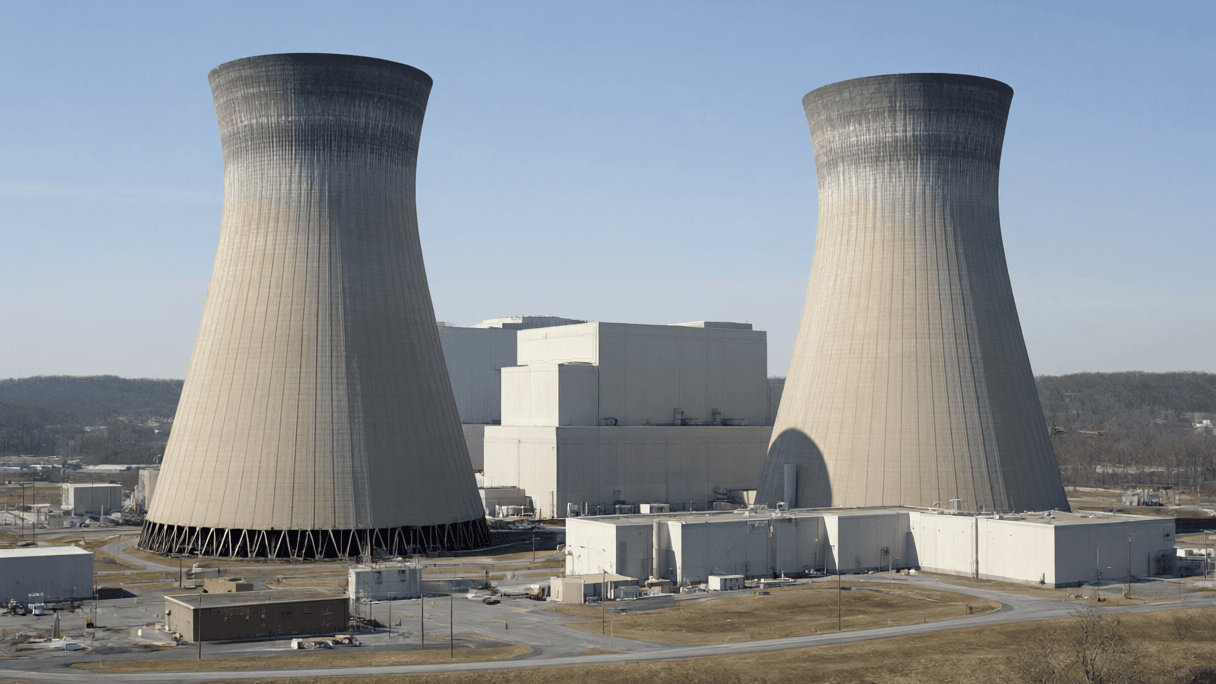
AI-generated image · Bay Street Wire
For the architects of next-gen AI clusters, the bottleneck isn't just chips—it's the grid. Google's massive deal with Constellation reveals a desperate scramble for reliable, high-density power in the face of a crumbling PJM Interconnection.
### The Hardware Bottleneck
In the world of deep tech, we talk incessantly about H100s, TPU clusters, and the sheer compute required to scale the next generation of LLMs. But there is a physical reality that often gets sidelined in the hype cycle: power density. You cannot run a world-class AI data center on hope and a few wind turbines. You need massive, reliable, baseload power that can sustain the relentless draw of high-end GPU clusters without flickering.
Google is currently hitting that wall. As first reported by The Verge, the company's own sustainability report indicates that electricity demand jumped 37 percent last year, contributing to an 18 percent rise in carbon emissions. The math is simple and brutal: as the models grow, the power hunger grows with them. To solve this, Google isn't just looking for 'green' energy—it's looking for industrial-scale stability.
### The Constellation Gambit
Google has pivoted toward a high-stakes solution: nuclear energy. As reported by The Verge, Google has entered into a 20-year power purchase agreement with Constellation, the leading nuclear power plant operator in the United States. This isn't a simple utility bill; it is a strategic investment meant to fund efficiency upgrades at existing nuclear sites.
According to the press release cited by The Verge, Constellation will make more than $4.3 billion in new investments through this deal. The goal is to modernize 11 reactors across six different sites located in Pennsylvania, New Jersey, and Illinois. Over the next five years, Google and Constellation expect these upgrades to yield 890 megawatts of additional nuclear capacity. To put that in perspective, the companies note that this is roughly equivalent to the output of three small modular reactors or one large new nuclear reactor.
### The PJM Pressure Cooker
Why the desperation? Look at the map. These six sites are all connected to the PJM Interconnection grid. PJM is the largest power grid in the U.S., spanning the District of Columbia and 13 states, including Loudoun County, Virginia—the nation's primary hub for data centers.
But the PJM grid is buckling under the weight of the AI boom. The Verge reports that PJM has struggled to keep up with the surging demand from AI data centers. The situation has become so volatile that an independent market monitor filed a complaint with the Federal Energy Regulatory Commission (FERC) last year. The monitor warned that PJM was planning to allow massive data centers to connect to a grid that could not reliably serve them, creating a legitimate risk of blackouts.
This instability has already hit the consumer. In New Jersey, electricity rates have climbed 54 percent over the last five years. The tension has reached the highest levels of government; in January, governors from the PJM states and the Trump administration issued a joint statement urging PJM to hold an "emergency" power auction to facilitate the construction of new power plants via long-term contracts. However, FERC recently directed PJM to revise its proposal to ensure that data center expansion doesn't drive up electricity bills for other customers, leading PJM to postpone the auction last week.
### Beyond the Nuclear Halo
While the nuclear deal makes for a great sustainability headline, the reality of Google's power needs is more complicated. The Verge notes that Google also signed a separate, larger 15-year energy supply agreement with Constellation. This second deal, valued at 2,700MW, is designed to guarantee revenue for other existing power plants operated by Constellation within the PJM grid, regardless of the fuel type used.
This is where the "green" narrative meets the hardware reality. Constellation's own sustainability report reveals that while nuclear made up 70 percent of its generating capacity last year and renewables accounted for 8 percent, gas and oil still comprised 22 percent. Furthermore, gas remains the largest component of the PJM fuel mix overall.
### Leon's Take: The Density Mandate
(Opinion) Let's be clear: Google isn't doing this because they've suddenly developed a passion for nuclear physics. They are doing this because they are trapped. The current grid infrastructure is incapable of supporting the power density required for the next leap in AI hardware.
When you are deploying clusters of the most power-hungry chips ever made, you cannot rely on the intermittent nature of renewables or a grid that is on the verge of blackouts. Nuclear is the only existing technology that provides the necessary density and reliability at the scale Google requires. By funding these upgrades, Google is essentially attempting to build a private power moat around its AI ambitions. It is a necessary, expensive, and desperate play to ensure that the next generation of compute isn't throttled by a 20th-century power grid.