
Condos Over Community: The Cost of Losing Woodbine's Grocery Anchor

AI-generated image · Bay Street Wire
Opinion: The closure of Valu-Mart at Woodbine and Danforth highlights a worrying trend where luxury redevelopment threatens essential food security in East Toronto.
The announcement that the Valu-Mart at 985 Woodbine Avenue will shutter its doors permanently on December 24, 2026, is more than just a change in the local retail landscape. It is a stark reminder of the precarious nature of essential community infrastructure in a city obsessed with vertical growth. As we prepare to lose this grocery anchor, we are seeing a blueprint for 'food desertification' in East Toronto, where the immediate needs of current residents are sacrificed for the promise of future density.
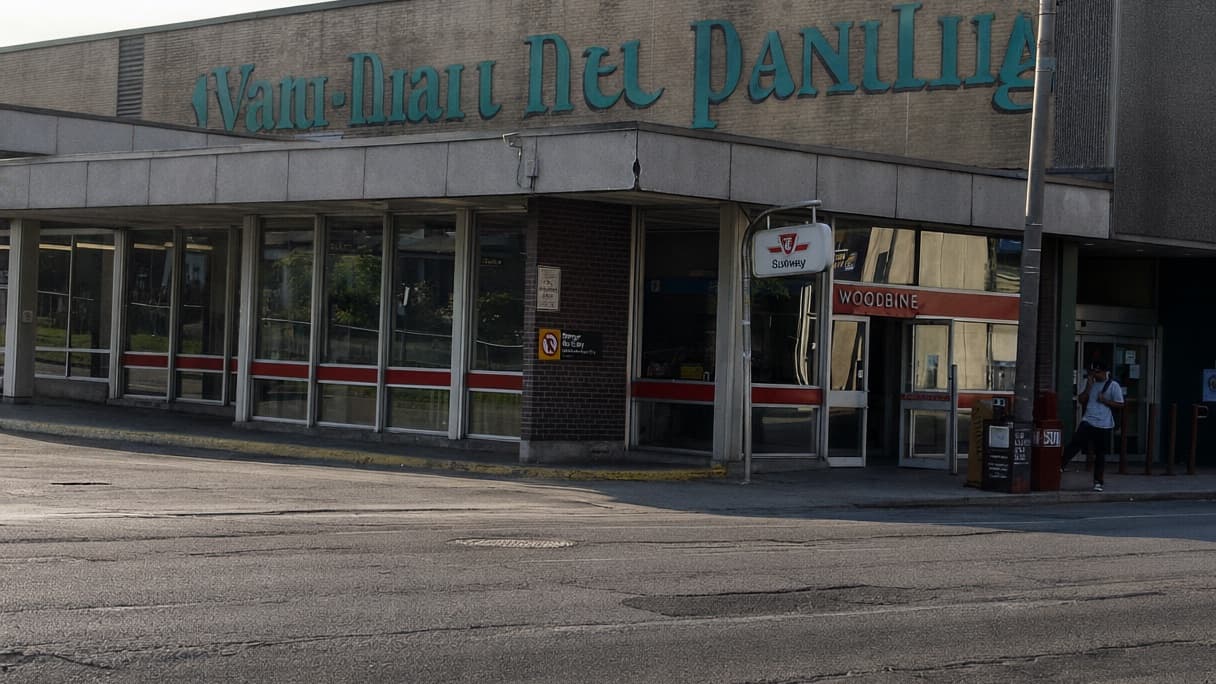
As blogTO first reported, the Valu-Mart location—which sits conveniently behind the TTC Line 2 Woodbine Station—is being cleared to make way for a massive redevelopment project. The centerpiece of this plan is a 35-storey purpose-built rental tower. While the addition of housing is often framed as a civic win, the cost of this progress is the immediate removal of a critical resource for the neighborhood.
In a statement provided to blogTO, a representative for Valu-Mart described the closure as a "difficult decision" that followed an "ongoing evaluation" of their store network to ensure they are operating responsibly and serving community needs. Yet, there is nothing that feels responsible about leaving a community without a primary supermarket during the construction phase of a high-rise.
Although Loblaws plans to put a new store inside the redeveloped site, as noted by blogTO, this promise provides little immediate relief. The reality is that construction will likely span several years. For the residents who rely on the Woodbine and Danforth location for their daily sustenance, the promise of a future store does not put food on the table today. We are essentially asking a community to endure a multi-year gap in essential services to facilitate the rise of a 35-storey tower.
This is the recurring tragedy of Toronto's redevelopment cycle: the prioritization of real estate assets over human infrastructure. By the time the new Loblaws arrives, the fabric of the neighborhood may have already shifted. The transition from a Valu-Mart to a new development represents a shift toward a different demographic of resident—one that can afford the new rental tenure—while the current residents are left to navigate the logistical nightmare of finding a new place to shop.
We must ask ourselves why our urban planning allows for the total erasure of essential services before their replacements are operational. The loss of the Woodbine location is a warning. If we continue to prioritize luxury rental towers over the immediate stability of our food networks, we aren't building a more sustainable city; we are simply building a more expensive one, one food desert at a time.