
Toronto Touts 2,000 New 'Affordable' Units as Phase 2 Incentives Launch

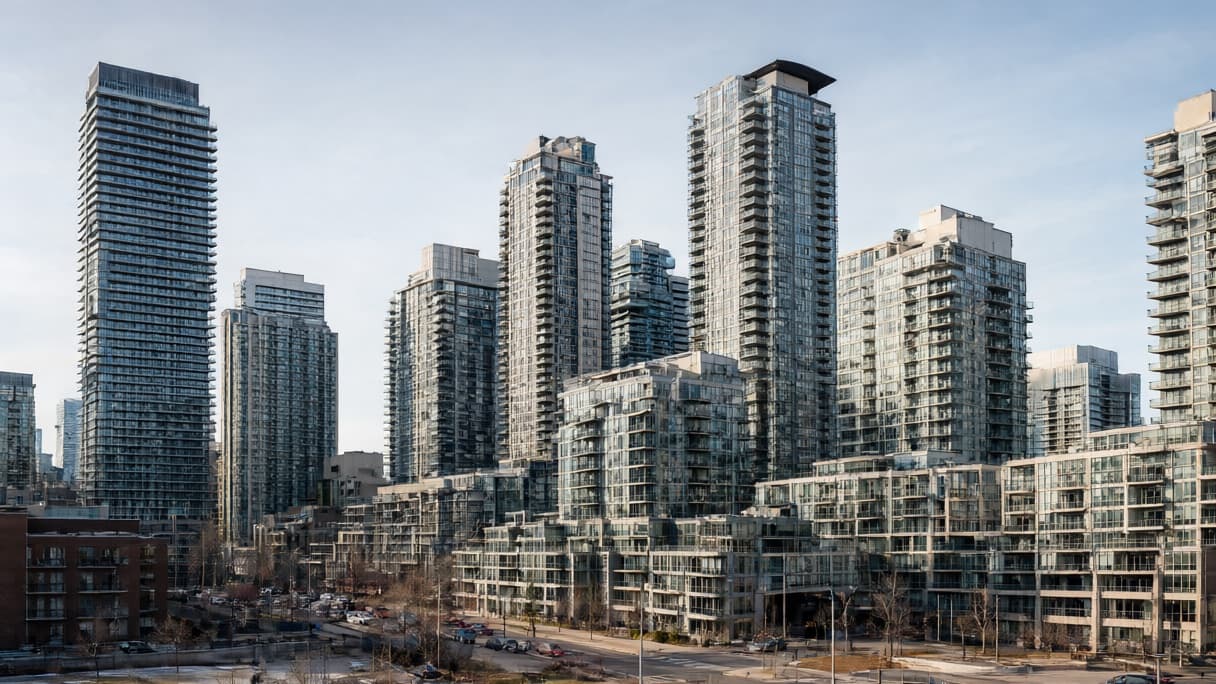
AI-generated image · Bay Street Wire
The city is pushing nearly 10,000 new rentals through a financial incentive program, but the definition of 'affordable' remains a focal point as the city avoids strict rent-geared-to-income mandates.
As first reported by the City of Toronto, the municipality has announced the results of the second phase of its Purpose-Built Rental (PBR) Housing Incentives program, selecting 19 projects that the city says will deliver 9,667 new rental homes. According to a City of Toronto news release, 2,059 of those units are designated as affordable, rent-controlled homes.
Launched initially in November 2024, the PBR program is designed to accelerate construction during economic volatility by offering developers financial carrots. These include an indefinite deferral of development charges for market-rental units, as well as property tax exemptions and building permit fee waivers for the affordable units. To qualify, projects must include at least 20 percent affordable, rent-controlled homes.
Mayor Olivia Chow stated that the program is getting homes built faster and emphasized that those who work in Toronto should be able to afford to live there. However, the program's reliance on "affordable" labels without specific rent-geared-to-income requirements suggests a gap between city marketing and the actual needs of low-income residents.
Across both Phase 1 and Phase 2, the City of Toronto reports it is providing roughly $894.2 million in total incentives to back 34 different developments. Combined, these projects are expected to produce over 13,000 market rental homes and more than 3,800 affordable, rent-controlled units. Phase 1 alone, which began in late 2024, is credited with helping create 7,219 rental homes, including 1,787 affordable units.
The expansion into Phase 2 was made possible after Toronto City Council approved the move in June 2026, following an announcement that $1.5 billion in funding from the province and federation would be allocated through the Development Charges Reduction Program. This funding is intended to cover infrastructure needs—such as water, wastewater systems, roads, and transit—allowing the city to lower development charges for builders.
To ensure these units are not stalled in the planning phase, the city is requiring all selected Phase 2 projects to begin construction within 12 months to keep their financial support. While the city highlights the volume of units, Councillor Chiara Padovani pointed to the importance of rent control, citing the 89 rent-controlled homes at The Dennis created under Phase 1 as a model for the housing security renters deserve.
In total, the city received 58 applications for Phase 2, representing roughly 27,000 potential rental homes, including over 5,600 affordable units, though only 19 projects were selected for the current rollout.