
Toronto Pushes 10,000 New Rentals, Including 2,000 'Affordable' Units

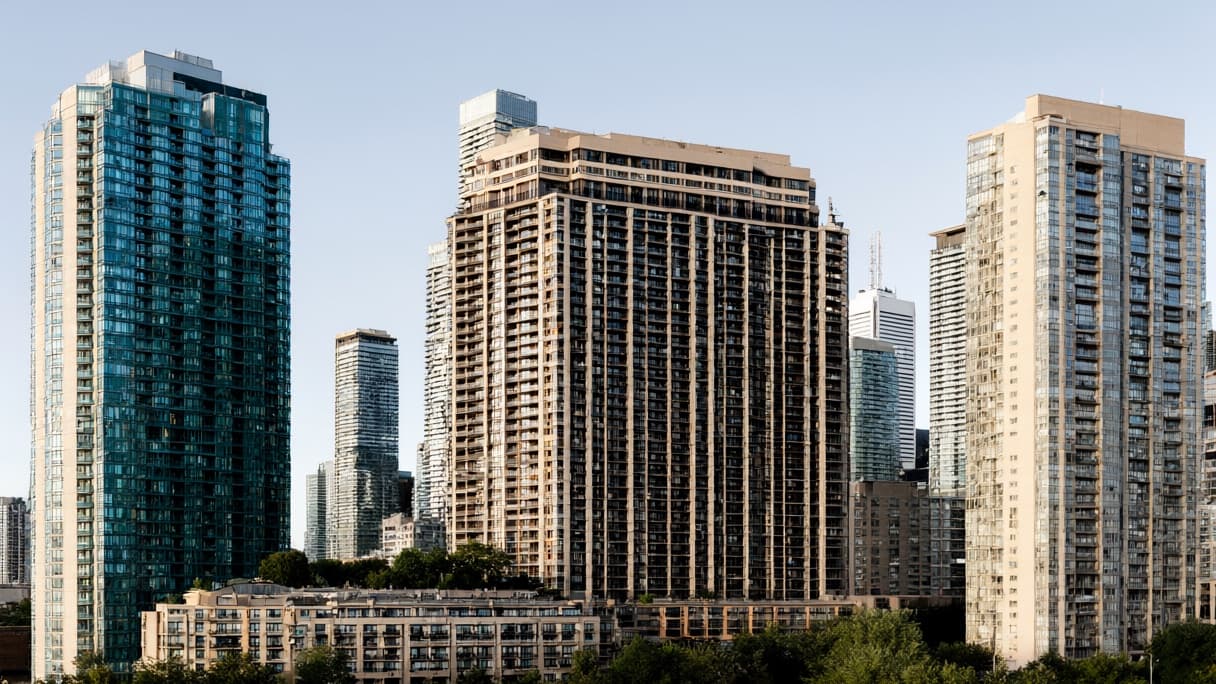
AI-generated image · Bay Street Wire
The city's Purpose-Built Rental program leverages nearly $900 million in incentives to unlock new housing, but the bulk of the units remain market-rate.
The City of Toronto has announced the results of the second phase of its Purpose-Built Rental (PBR) Housing Incentives program, selecting 19 projects across 12 wards. According to a City of Toronto news release, these projects are expected to deliver 9,667 new rental homes, of which 2,059 are designated as affordable, rent-controlled units.
To accelerate construction, the city is requiring all selected projects to begin construction within 12 months. The PBR program, which first launched in 2024 (with Phase 1 starting in November), offers developers indefinite deferrals on development charges for market rental homes, alongside building permit fee waivers and property tax exemptions for affordable units. Across Phases 1 and 2, the city is providing an estimated $894.2 million in financial incentives to support a total of 34 developments. These are projected to yield over 13,000 market rental homes and more than 3,800 affordable, rent-controlled units.
Mayor Olivia Chow stated that the program is designed to get rental homes built faster, noting that residents should be able to afford to live in the city. The launch of Phase 2 followed the announcement of $1.5 billion in federal and provincial funding provided through the Development Charges Reduction Program.
In a separate announcement, the City of Toronto and the Government of Canada celebrated the start of construction for a 10-storey project located at 1337 to 1339 King St. W. in Parkdale. Led by the Parkdale United Church Foundation (PUCF), the development will provide 92 affordable rental homes for low-income households. This specific project is supported by more than $15.5 million in city capital funding, $2 million in city property tax exemptions, and $29 million from the federal Affordable Housing Fund.