
The Math of 'Affordability': Scrutinizing Toronto's 10,000-Unit Rental Push

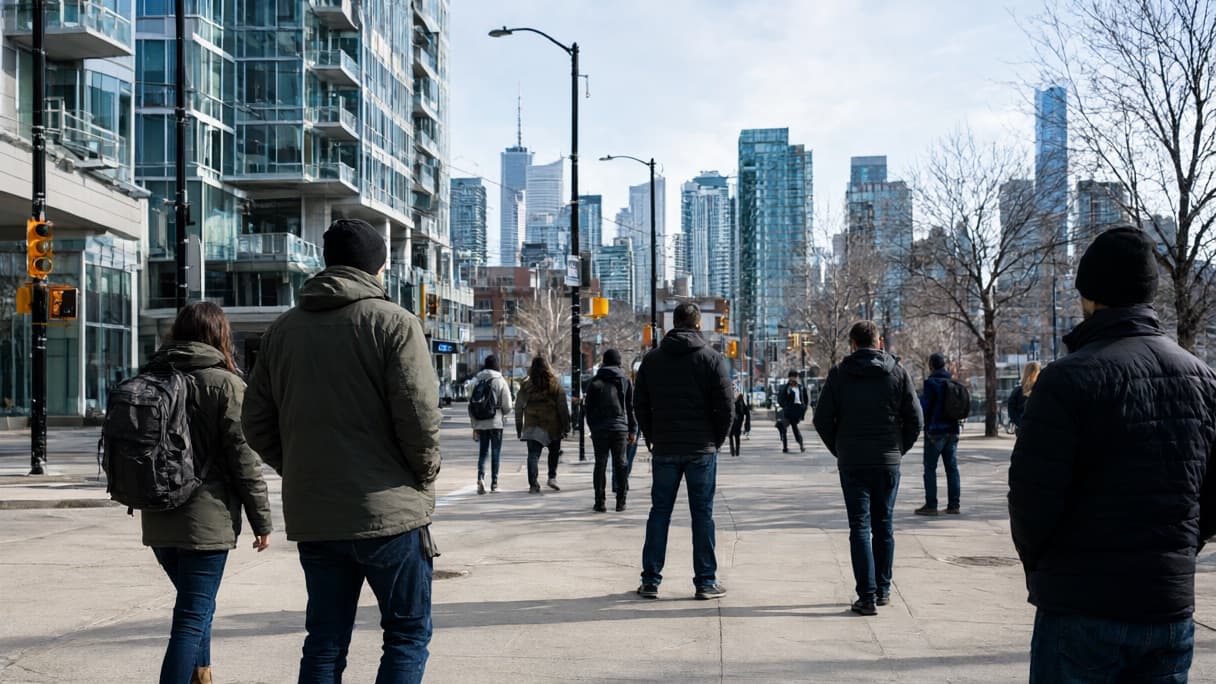
AI-generated image · Bay Street Wire
The City of Toronto is leveraging nearly $900 million in incentives to unlock thousands of rental homes, but the ratio of market-rate to affordable homes raises questions about who is actually being served.
OPINION: On paper, the City of Toronto's latest announcement is a victory for housing supply. As first reported by the City of Toronto, the city is moving nearly 10,000 new rental homes toward construction by leveraging the Purpose-Built Rental (PBR) Housing Incentives program. But for those of us tracking the affordability crisis, the victory is tempered by the math.
According to a City of Toronto news release, the second phase of the PBR program has selected 19 projects across 12 wards. These developments are projected to yield 9,667 new rental homes. Of that total, only 2,059 are designated as affordable, rent-controlled homes. While Mayor Olivia Chow stated that anyone who lives and works in Toronto "should be able to afford to live here," the reality is that the vast majority of these new rental units will be market-rate.
When we combine Phase 1 and Phase 2 of the program, the City of Toronto reports that 34 rental housing developments are expected to create over 13,000 market rental homes and just over 3,800 affordable, rent-controlled homes. To achieve this, the city is providing an estimated $894.2 million in financial incentives.
The mechanism for this growth is a mix of carrots and sticks. The city provides eligible projects with an indefinite deferral of development charges for market rental homes, alongside building permit fee waivers and property tax exemptions for the affordable units. To ensure these aren't just paper promises, the City of Toronto is requiring all Phase 2 projects to start construction within 12 months to keep their financial support.
There is no denying the scale of the effort. The city notes that its Phase 1 launch in November 2024 has already contributed to the creation of 15 projects totaling 7,219 rental homes, 1,787 of which are net new affordable units. City data indicates that Phase 1 supported approximately 25 percent of all rental housing starts in Toronto between January 2025 and August 2026. This acceleration was bolstered by $1.5 billion in federal and provincial funding through the Development Charges Reduction Program, which helped the city reduce development charges while funding essential infrastructure like water, roads, and transit.
However, the critical question remains: who is this "affordable" designation for? While Councillor Chiara Padovani highlighted the creation of 89 rent-controlled homes at The Dennis under Phase 1 and called for the return of rent control for every home in the city, the city's broader PBR program requires a minimum of only 20 percent of units to be affordable and rent-controlled.
If the goal is to protect the people currently being priced out of the city, we must look past the headline figure of 10,000 units. When the bulk of the output remains market-rate, the city is essentially subsidizing the construction of luxury or mid-tier rentals in the hope that a small fraction of the stock will serve the lowest earners. Until the definition of "affordable" aligns with the actual median income of the city's most vulnerable residents, these incentives may be solving a developer's balance sheet problem rather than a renter's housing crisis.