
The Incentive Trap: Why 10,000 New Rentals Won't Fix Toronto's Housing Crisis

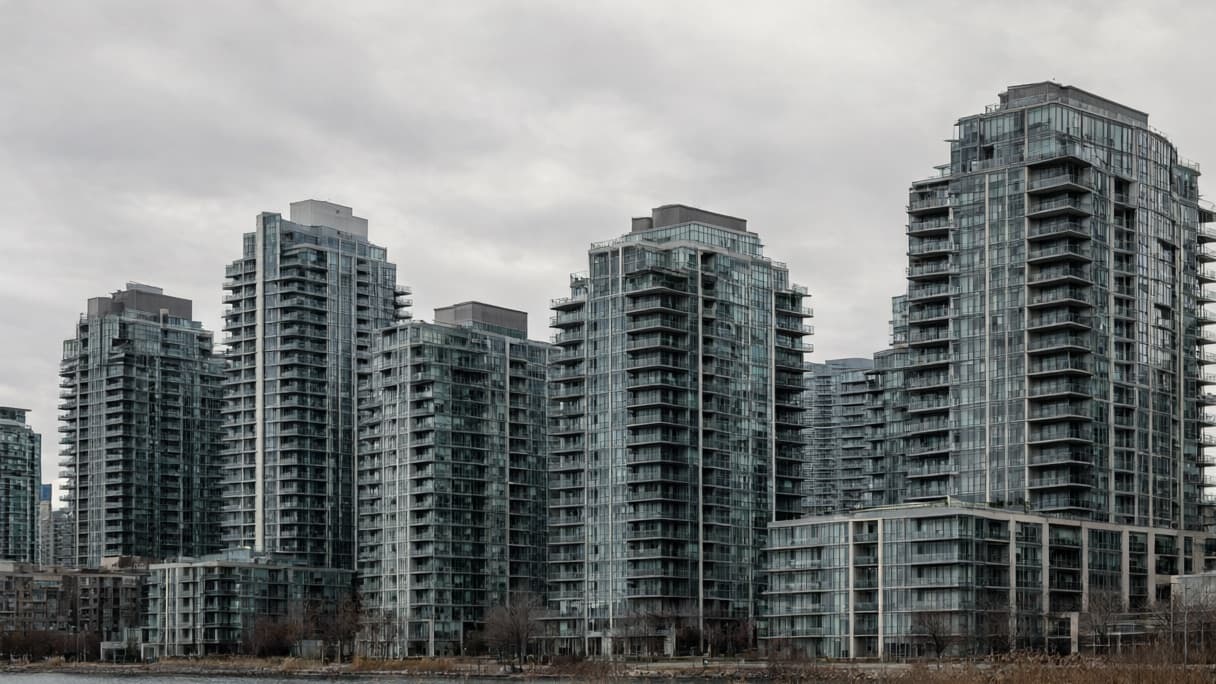
AI-generated image · Bay Street Wire
City Hall is touting a massive push for purpose-built rentals, but a closer look at the numbers suggests the city is treating a systemic collapse with a handful of developer handouts.
OPINION: The City of Toronto is currently operating on a logic of incrementalism. In a recent announcement, as first reported by the City of Toronto, Mayor Olivia Chow heralded the expansion of the Purpose-Built Rental (PBR) Housing Incentives program, claiming that the second phase of the initiative will move nearly 10,000 new rental homes closer to construction. To the casual observer, the number sounds substantial. To anyone tracking the systemic scale of the affordability crisis, it is a drop in the bucket.
According to a City of Toronto news release, the PBR program is designed to get "shovels in the ground quickly" by offering developers a suite of financial sweeteners. These incentives provide market rental homes with an indefinite deferral of development charges, while affordable units benefit from building permit fee waivers and property tax exemptions.
But let's look at the actual yield. The City reports that Phase 2 will support 19 projects across 12 wards, resulting in 9,667 new rental homes. Of those, only 2,059 are designated as affordable, rent-controlled homes. When combined with Phase 1—which the City says is helping create 7,219 rental homes, including 1,787 affordable units—the total projected output is over 13,000 market rentals and roughly 3,800 affordable homes.
For a city of more than three million people, these figures are negligible. The City is spending an estimated $894.2 million in financial incentives across 34 developments to achieve this. While Mayor Chow argues that anyone who lives and works in Toronto "should be able to afford to live here," the math suggests otherwise. The city is essentially paying a premium to incentivize the private sector to build a fraction of the housing required to move the needle on affordability.
Even more concerning is the gap between industry demand and city capacity. The City of Toronto news release notes that 58 applications were submitted for Phase 2, representing approximately 27,000 rental homes and more than 5,600 affordable units. The City only selected 19 of those projects. This indicates that while the homebuilding industry is eager to partner with the city, the municipal government's current mechanism for "unlocking" development is far too narrow to address the actual volume of the crisis.
There is also the matter of sustainability. The program relies heavily on external funding; the City Council approved Phase 2 in June 2026 after the announcement of $1.5 billion in funding from the province and federal government through the Development Charges Reduction Program. While this funding supports critical infrastructure like roads, water, and transit, it creates a precarious dependency. The City is relying on these windfalls to justify reducing development charges, effectively subsidizing the profit margins of developers in hopes that a few thousand rent-controlled units will trickle down to those in desperate need.
Councillor Chiara Padovani highlighted the precariousness of the current state of renters, citing the creation of 89 rent-controlled homes at The Dennis under Phase 1 and calling for the return of rent control for every home in the city. Padovani's comment underscores the reality that a few thousand units—even if rent-controlled—cannot provide the broad "housing security" the city's population deserves.
Ultimately, the PBR program is a reactive tool. It prioritizes projects that can start construction within 12 months to maintain eligibility, favoring "shovel-ready" speed over systemic reform. Until the city moves beyond these modest incentive streams and addresses the scale of the shortage, these announcements will remain little more than PR victories in a city that is becoming increasingly uninhabitable for the working class.