
The Gas Trap: Toronto's Climate Goals Crumble Under Winter Pressure

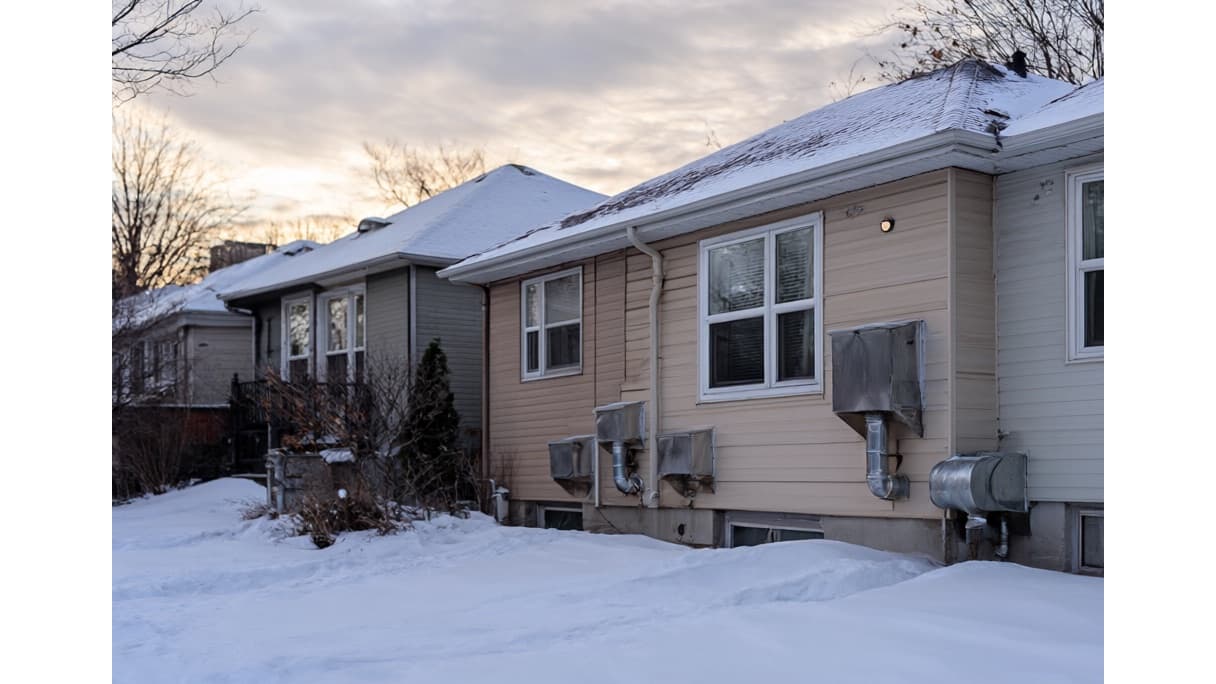
AI-generated image · Bay Street Wire
A new report reveals a decade-high spike in emissions for the GTHA, exposing how a reliance on gas heating and a carbon-intensive grid are rendering 'green' targets unreachable.
### Opinion: The Fragility of Our Green Ambitions
Toronto loves to talk about its climate targets, but the latest data reveals a sobering truth: our environmental strategy is a house of cards that collapses the moment the temperature drops. If our 'green' goals cannot survive a single cold winter without sending emissions skyrocketing, those goals are not a strategy—they are a fantasy. We are clinging to a gas-reliant heating infrastructure that ensures every winter freeze becomes a climate setback, proving that without a radical shift away from fossil fuels in our homes, our targets are meaningless.
***
### The Decade-High Spike
According to reporting from CBC Toronto and Global News Toronto, a new report from the regional climate agency The Atmospheric Fund reveals that the Greater Toronto and Hamilton Area (GTHA) has experienced its largest annual spike in planet-warming emissions in at least ten years. Emissions increased by eight per cent between 2024 and 2025, marking the fifth consecutive year of growth since tracking began in 2015.
Bryan Purcell, the vice president of policy and programs at The Atmospheric Fund, stated that this surge puts the region significantly off track to meet its climate commitments. Purcell noted that if Toronto's 2030 target were applied as a benchmark for the entire region, emissions would need to be reduced by approximately 16 per cent every year to meet that goal.
### The Heating Crisis and Building Inefficiency
Buildings are the primary driver of this environmental decline, accounting for nearly half of the region's total emissions. CBC Toronto reports that building-sector emissions rose by 15 per cent annually, driven largely by the combustion of gas for heat.
Emissions tied to heating rose by 14 per cent compared to the year prior. While a colder winter played a significant role in this spike, the report highlights a deeper systemic failure: even when adjusted for weather, heating emissions still rose by three per cent. This suggests a critical flaw in the region's aging and inefficient housing stock.
Adding to the crisis is a lack of regulatory support for new construction. As reported by CBC Toronto and Global News Toronto, Purcell noted that the government of Premier Doug Ford has prevented Toronto and other municipalities from implementing green building standards. This decision, made in favor of developers who cited costs and complexity, has effectively set Toronto back "about 10 years" regarding the technology and efficiency of new buildings.
### A Polluting Power Grid
While heating is a primary culprit, the electricity used to power buildings is also becoming more carbon-intensive. Electricity-related building emissions rose by 26 per cent, according to the report cited by Global News Toronto.
This increase is tied to the province's energy grid. Last year, nearly one-fifth of Ontario's electricity was generated by fossil fuels—the highest level since the phaseout of coal. This shift occurred as the province relied on gas to fill energy gaps created by nuclear reactors that were taken offline for refurbishment.
### Transportation and Policy Headwinds
Transportation remains the second-largest source of emissions in the region, with increases between one and three per cent. Purcell attributes this growth to a rising number of vehicles on the road and a consumer preference for larger, less fuel-efficient models.
While the adoption of plug-in hybrid and battery-electric vehicles continues to grow, Purcell warns that policy uncertainty is creating obstacles. He specifically pointed to the federal government's cancellation of an EV sales mandate earlier this year, noting that promised enhancements to tailpipe emissions regulations have not yet materialized.
### The Path Forward
Despite the bleak trajectory, the report identifies some progress. CBC Toronto and Global News Toronto report that Toronto has removed local barriers to the installation of EV chargers and heat pumps. Additionally, the federal government has announced a $2-billion investment in building retrofits, including heat pump rebates, and Ontario has procured a record amount of battery storage this year, which outperformed gas on cost.
Purcell argues that these tools prove that climate action does not have to conflict with affordability, as building retrofits and improved public transit can reduce financial pressures on residents. He concludes that the technology exists, but the "missing ingredient" is the political will to implement consistent policies to drive emissions downward. Among the most significant local policies currently under consideration are Toronto's proposed building emissions performance standards, which Purcell suggests are vital for controlling emissions in existing buildings.