
The Digital Mirage: Why AI-Generated Rental Listings Are a Breach of Trust for Newcomers

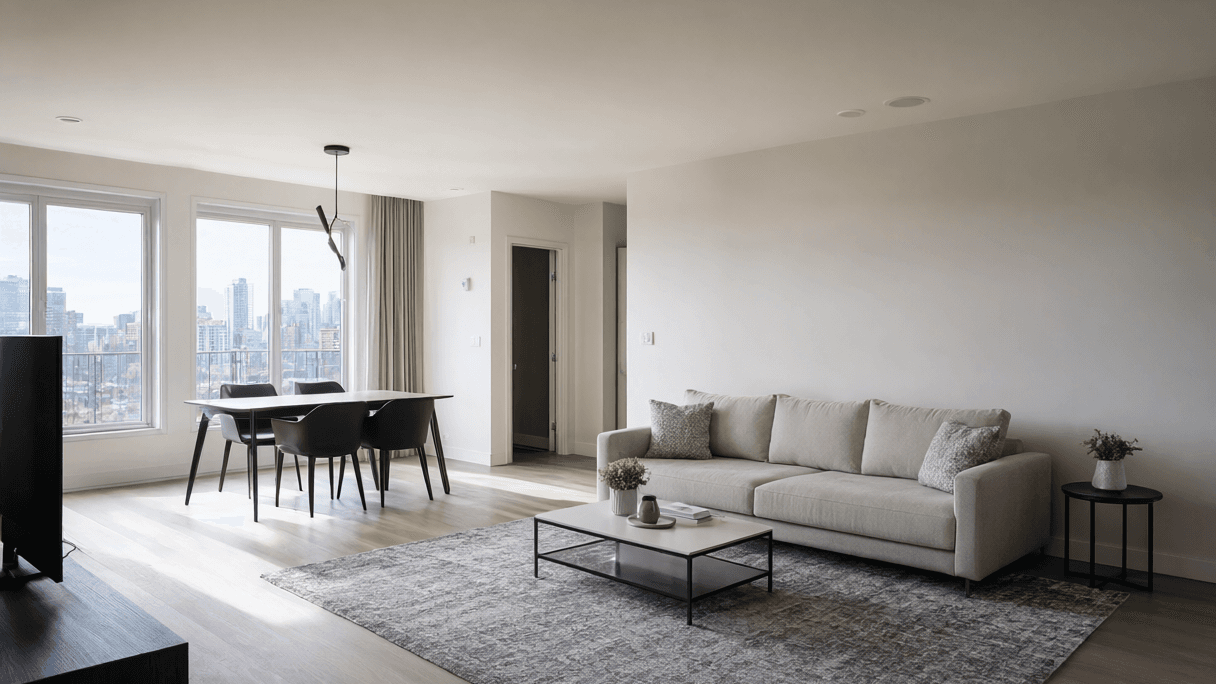
AI-generated image · Bay Street Wire
Opinion: As AI-generated images flood short-term rental platforms, the resulting 'trust gap' threatens the safety and financial security of travelers and newcomers navigating strained housing markets.
In the modern migration of people—whether they are tourists or newcomers seeking a foothold in a foreign land—the digital interface is often the only bridge to a safe place to sleep. However, as first reported by CBC Toronto, a troubling trend of artificial intelligence (AI) is infiltrating rental platforms, replacing reality with a polished, synthetic facade.
We are witnessing the emergence of a precarious trust gap. Consider Josh Wells, a college student from Iowa who sought accommodation in Montreal. Wells encountered host profile pictures and listing images that looked 'too perfect' compared to the natural imperfections of a standard iPhone photo. After noticing warped text on a piece of wall art, he opted for an apartment-style hotel, unable to trust that a property he was spending thousands of dollars on actually existed as pictured.
For those on a strict budget, these digital mirages are particularly dangerous. CBC Toronto highlighted a case where an Ottawa family's daughter arrived at a Toronto Airbnb to find a room that differed significantly from the listing photos. While Airbnb eventually refunded the guest, the logistical toll of such deception is immense.
The technical barrier to this deception has vanished. Francis Syms, associate dean at Humber Polytechnic in Toronto, explains to CBC Toronto that free tools—including Google's Gemini, Claude by Anthropic, ChatGPT, and those on Hugging Face—allow users to modify images in seconds. Daniel Guttentag, an associate professor at the College of Charleston, suggests that while lighting changes are common, adding features like a fake hot tub is a 'blatant misrepresentation.'
Most alarming is the potential for AI to be weaponized for fraud. Guttentag warns that AI-edited images could be used to falsely claim property damage. Indeed, CBC Toronto reports on a 2025 case where a guest from London, U.K., staying in Manhattan, was accused of causing over £12,000 ($22,665) in damages. The guest disputed the claim after noticing inconsistencies in photos of a cracked coffee table; Airbnb eventually issued a full refund after media attention.
Until platforms implement rigorous verification, travelers will continue to wander into a landscape where the home they booked exists only in a prompt, leaving them stranded in the gap between the algorithm and the actual address.