
The Data Center Backlash is the Wake-Up Call the Industry Needs

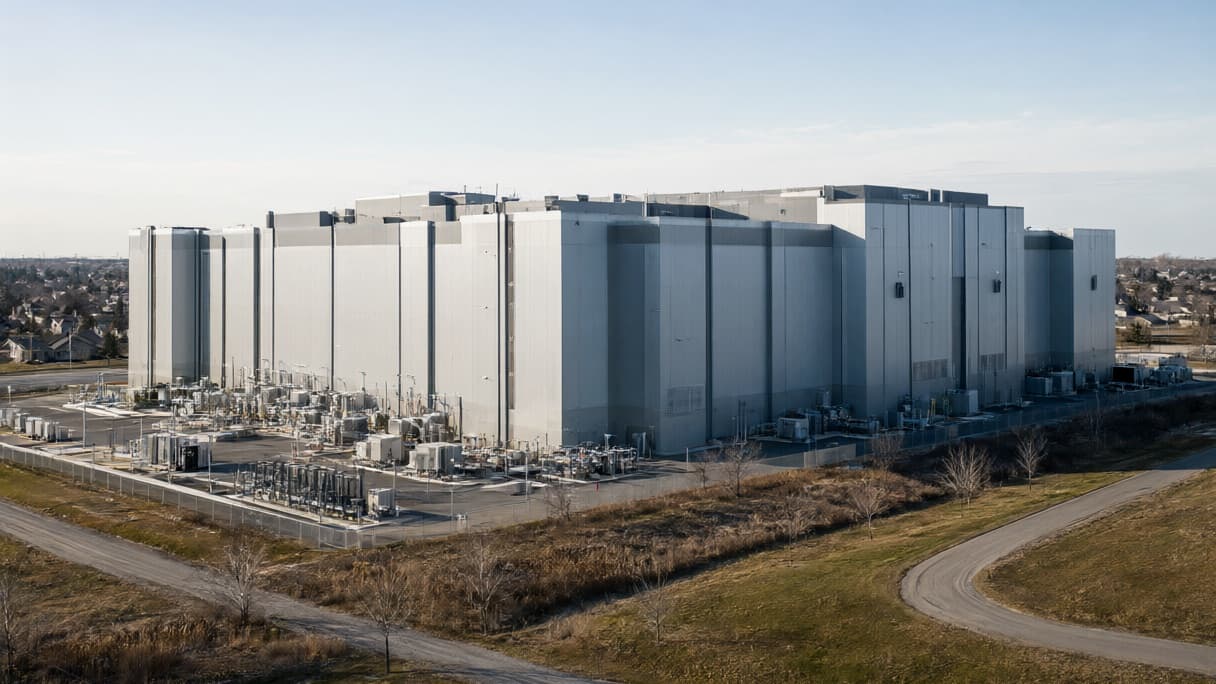
AI-generated image · Bay Street Wire
Opinion: Rather than halting deployment, community resistance should be the catalyst that forces data centers to evolve into sustainable, integrated neighbors.
The growing public outcry against data center expansion is not a signal to stop building; it is a necessary correction. As AI demand surges, the infrastructure required to support it is inevitable, but the current model of deployment is failing. We are seeing a critical inflection point where the industry must choose between obsolescence through public rejection or evolution through genuine innovation.
The resistance is tangible and widespread. As BetaKit first reported, polling from the Angus Reid Institute indicates that over two-thirds of Canadians oppose the construction of large AI data centers near their homes. This isn't mere NIMBYism; it is a response to legitimate concerns regarding noise pollution, electricity and water consumption, and the question of where the economic benefits of these massive sites actually flow. The consequences of this friction are already manifesting in the real world; BetaKit reports that a lack of local support led Telus to withdraw from two planned projects in Vancouver.
However, the solution is not to abandon the buildout, but to redefine it. During a panel at the MaRS Climate Impact conference, Christopher Fazekas, vice-chair of the board at Xnrgy Climate Systems, argued that while data centers are inevitable, the industry has "done a terrible job of representing itself" and the potential value these sites offer. This is where the opportunity lies. The backlash is the only force capable of accelerating the pace of innovation beyond what the industry is doing internally to meet capacity.
To move forward, we must reject the binary choice between unconditional acceptance of industry terms and total opposition. Irene Lam, director of client services at Mantle Climate, suggests a "happy medium" focused on trade-offs and responsible planning. According to BetaKit, Lam argues that successful projects must be planned around energy system capacity and require early community engagement. This includes establishing clear expectations and holding developers accountable through penalties for non-compliance, deadlines, and reporting requirements.
Furthermore, the definition of "community benefit" needs to evolve. Fazekas suggests that municipalities should move beyond superficial offerings like parks and schools. Instead, they should mandate ground rules that force technical innovation—such as the total elimination of evaporative cooling and water use—and ensure lasting local economic impact, such as the creation of corporate campuses rather than just exporting processing power.
We are in the midst of a technological revolution, and industrialization is part of that process. But for this revolution to be sustainable, the industry must stop viewing community resistance as a hurdle to be cleared and start viewing it as a blueprint for better design. By demanding innovation and progress through open conversation, we can ensure that the infrastructure of the future is built responsibly.