
AI Compute Demands Fueling Nuclear Energy Renaissance

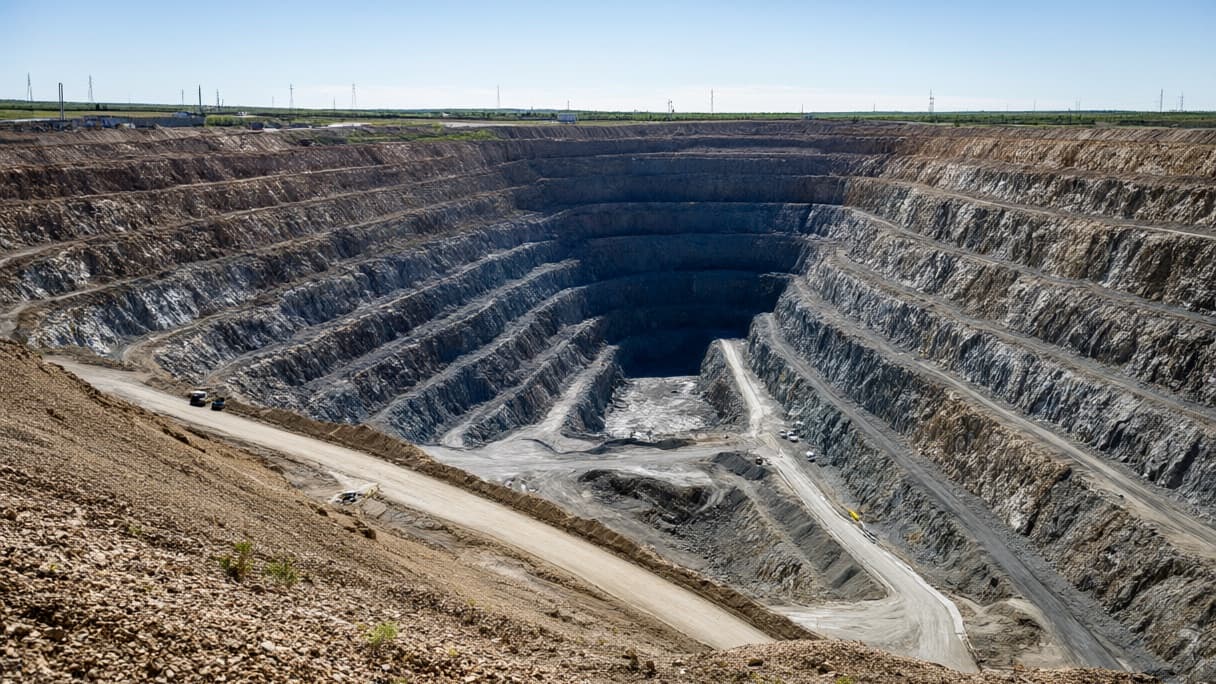
AI-generated image · Bay Street Wire
The surge in data center power needs is helping transition uranium from a volatile commodity to a scalable clean energy pillar.
The global race for AI compute is providing a critical demand signal for the nuclear energy sector, potentially ending the industry's history of boom-and-bust cycles. As BetaKit first reported, the need for reliable, carbon-free power to fuel data centers is intersecting with a global resurgence in nuclear development.
Eduardo Buriticà, director of external affairs for Canadian Uranium Corporation, notes that while countries are already restarting and building reactors, AI and data center electricity needs are further accelerating demand. This trend is particularly relevant for Canada, the world's second-largest uranium producer. BetaKit reports that the Athabasca Basin in Saskatchewan contains enough uranium to power over 40 million homes for approximately 25 years. Between 2019 and 2024, uranium prices rose 233 percent, far outpacing gold's 75 percent growth, according to Bloomberg reporting cited by BetaKit.
Scaling this energy source is becoming a priority for tech giants including Google, Meta, and Amazon, which have invested in small modular reactors (SMRs). Reza Mohammed, site exploration manager at Canadian Uranium, explains that nuclear is a scalable solution capable of providing modular power through mobile or massive reactors. SMRs are specifically advantageous because they are grid-independent and can operate in isolated areas.
According to Yellowcake Analytics, there are currently over 400 operating nuclear reactors worldwide, with roughly 80 under construction and hundreds more planned. The World Nuclear Association forecasts that reactor needs will increase by 28 percent by 2030 and will more than double by 2040. The association further warns of a potential uranium supply shortfall of up to 40,000 tonnes by 2040, a figure that does not yet account for the additional demands of AI. In response, the Canadian federal government aims to double production by 2035, while the government in Regina seeks to establish nuclear energy as a primary economic driver for Saskatchewan.