
Community Resistance is the Spark Data Centers Need to Finally Innovate

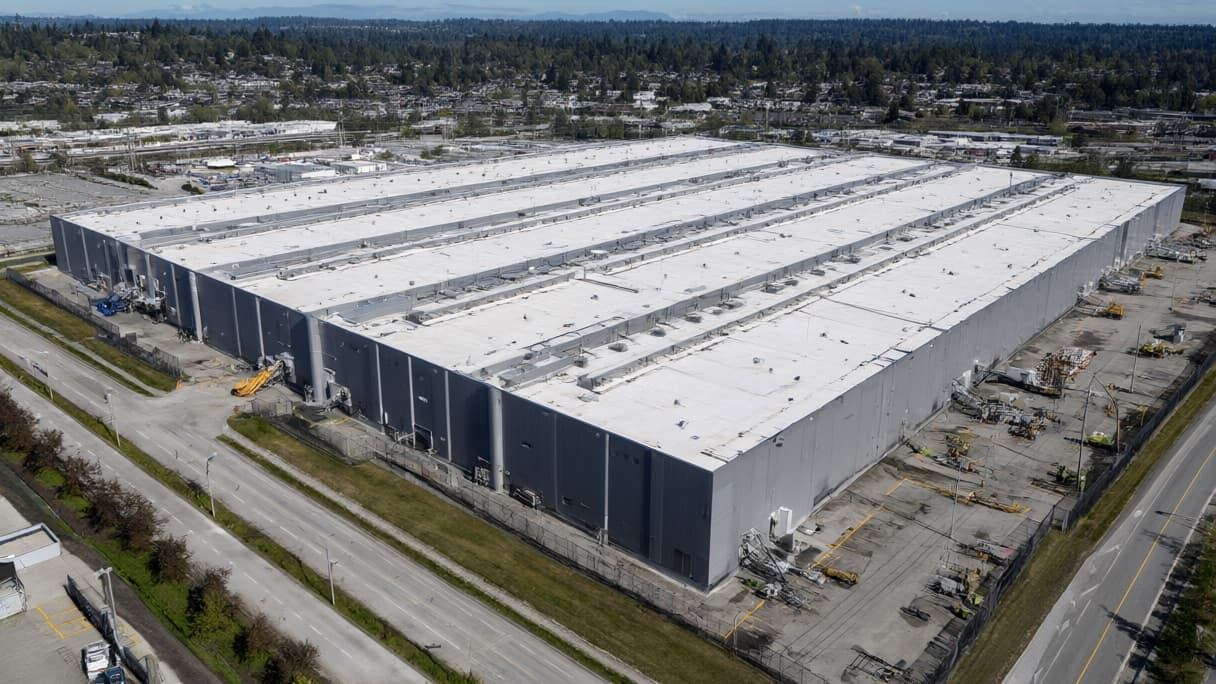
AI-generated image · Bay Street Wire
Opinion: Rather than viewing public backlash as a roadblock, operators should see it as the necessary catalyst to deliver on sustainability promises.
For years, the data center industry has operated on a trajectory of inevitable expansion, driven by the insatiable appetite of AI. But as BetaKit first reported, the tide is turning. From the U.S. midterm elections to the recent decision by Telus to abandon two planned projects in Vancouver due to a lack of local support, the message from the public is clear: the status quo is no longer acceptable.
To some in the industry, this pushback looks like a roadblock. I argue it is actually a necessary catalyst. For too long, the sector has relied on its own internal pressures to drive efficiency. As Christopher Fazekas, vice-chair of Xnrgy Climate Systems’ board, noted during a panel at the MaRS Climate Impact conference, the only real force for innovation currently comes from the industry itself as it tries to scale for AI demand. This is a precarious way to build the future.
Public skepticism is not unfounded. BetaKit highlights Angus Reid Institute polling showing that over two-thirds of Canadians oppose having a large AI data center near their homes. These residents are concerned about tangible impacts: noise pollution, electricity and water consumption, and the question of where the actual economic benefits flow. Fazekas himself admitted that the industry has "done a terrible job" of representing itself and the value these sites bring to the communities that host them.
If we accept that this infrastructure is inevitable—a point echoed by both Fazekas and Irene Lam, director of client services at Mantle Climate—then the goal shouldn't be to bypass community concerns, but to let those concerns dictate the terms of development.
We are seeing a shift toward what Lam describes as a "happy medium." Instead of unconditional acceptance or blanket opposition, communities can demand that innovation be baked into the process from the start. This means moving beyond the superficial offerings of parks and schools. As Fazekas suggests, municipalities should set hard ground rules up front. This includes the total elimination of evaporative cooling and water use, the aggressive mitigation of noise, and the creation of lasting local employment through corporate campuses rather than just exporting processing power.
Furthermore, Lam argues that successful deployment requires planning sites around actual energy system capacity and implementing strict accountability measures. This includes clear reporting requirements, firm deadlines, and penalties for firms that fail to comply.
When communities demand better, they force operators to move from vague sustainability promises to concrete engineering solutions. By treating public resistance as a design requirement rather than a PR hurdle, the industry can finally build in a way that is responsible and sustainable. The "middle ground" Fazekas describes is an open conversation that accepts technological industrialization but refuses to accept it on the industry's outdated terms.