
Texas is Finally Calling the Big 3's Bluff on Grid Greed

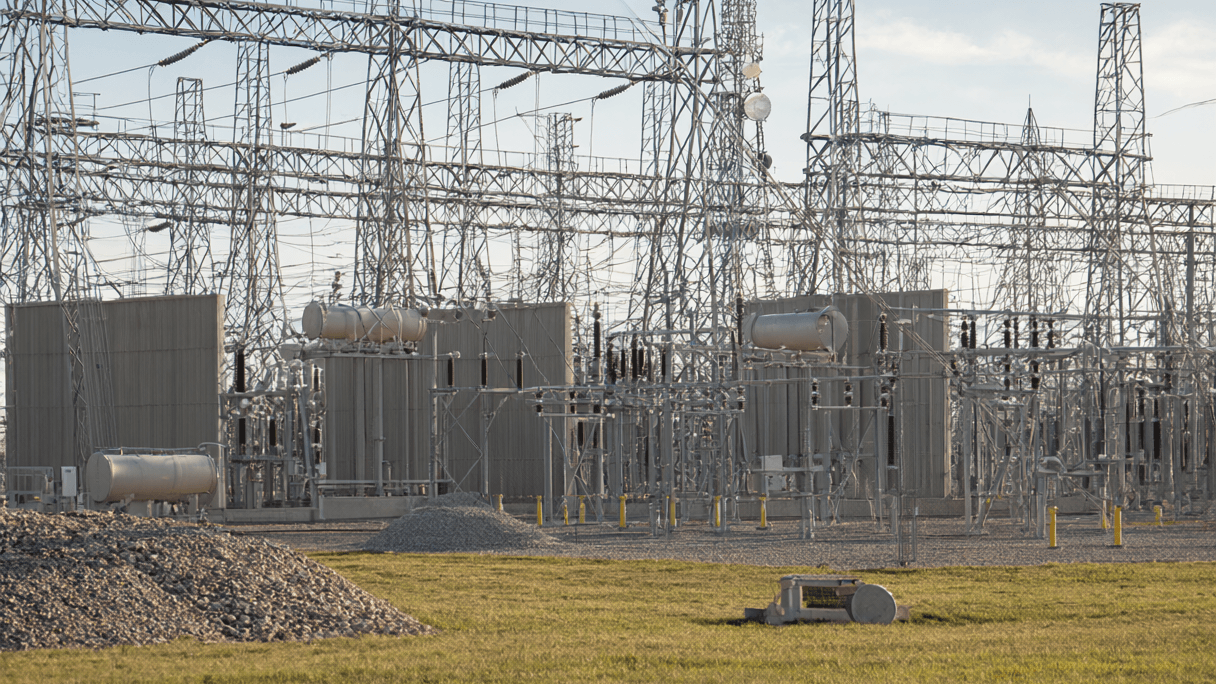
AI-generated image · Bay Street Wire
Opinion: By freezing data center permits, Texas is proving that corporate AI ambitions cannot override the basic necessity of a stable electrical connection.
For too long, the titans of tech and connectivity have treated the electrical grid as an infinite resource to be exploited for the sake of AI expansion. But as first reported by a16z, Texas has finally hit the pause button. In a move that should serve as a warning to every corporate giant attempting to steamroll local infrastructure, the state has escalated from requiring data centers to pay for their own upgrades to a total freeze on new permits.
This isn't just a bureaucratic hiccup; it is a necessary stand against corporate greed. The numbers provided by a16z are staggering. In the queue for the grid operator, ERCOT, there were 63 GW of large new customers at the end of 2024. By June, that number exploded to 474 GW—a figure that is more than five times the record peak demand. Shockingly, about 90% of that demand comes from data centers.
Let's be clear: this is a crisis of speculation. According to a16z, developers have been spamming the system with speculative builds, often without a single customer in place. We are seeing a gold rush where developers who have never even plugged in a GPU are attempting to secure power plants. ERCOT is now in the unenviable position of trying to discern which projects are real and which are fantasies, all while ensuring that ordinary ratepayers aren't footing the bill for infrastructure that serves a ghost project.
Beyond the numbers, there is a profound lack of corporate transparency. a16z reports that as of June, only 28 of 377 companies had bothered to answer a state survey regarding their resource use. In Hood County, officials were asked to support a tax waiver for a mysterious "Project Patriot" without even knowing who the company was. While the industry claims code names are necessary to keep prices low, that logic fails the moment they ask taxpayers to subsidize their growth.
Furthermore, the technical arrogance of these firms is reaching a breaking point. a16z details how companies have attempted "colocation"—drawing power from plants before it even hits the grid—to dodge fees and shift transmission costs onto the public. Whether it is Amazon's dealings with Talen's nuclear plant or CyrusOne's 760 MW campus next to Constellation's gas plant, the pattern is the same: try to bypass the rules, then negotiate when the regulators catch up.
Texas is right to be cautious. Because ERCOT's grid is largely isolated, there is almost no room for error. a16z notes that under certain conditions, the grid can only sustain a loss of roughly 3.2 GW of load at one time before facing serious issues. When data centers switch to backup power during a voltage dip to protect their hardware, they can pull enormous loads off the grid in seconds.
Texas is sending a clear message: the stability of the home and the reliability of the local power bill come before the training runs of an AI model. It is time the Big 3 and their cohorts realize that the grid is a public utility, not a corporate playground.