
Beyond the Photo Op: The Systemic Hunger Facing Toronto's Newcomers

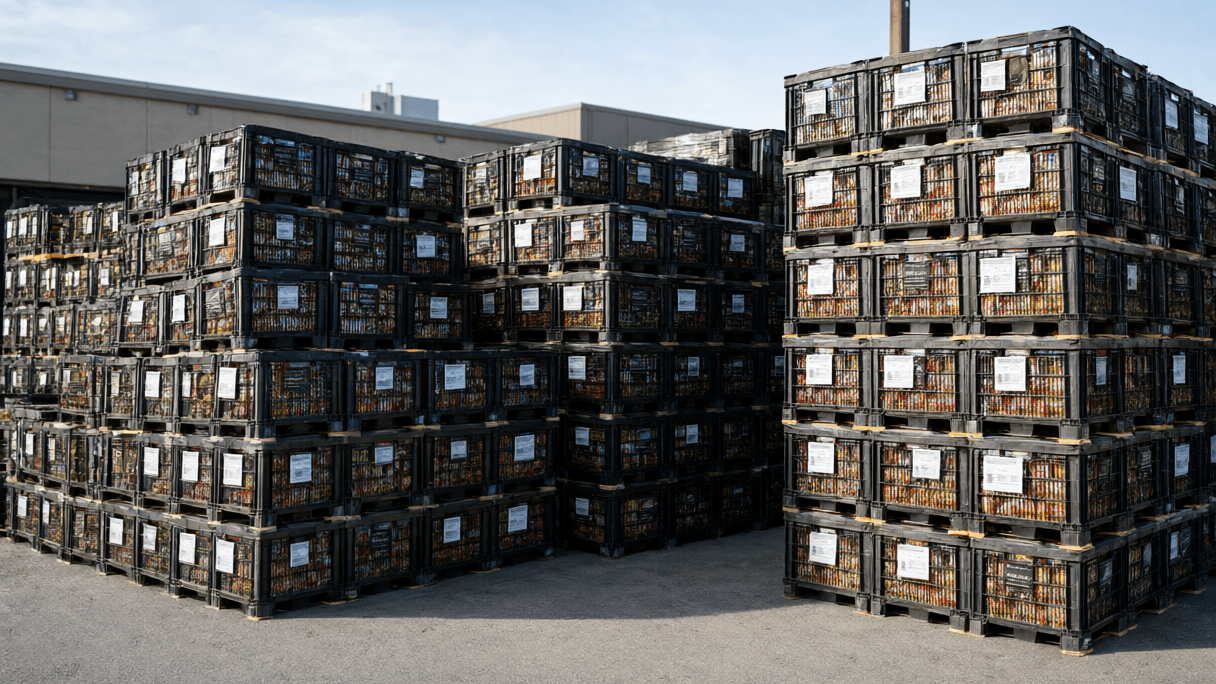
AI-generated image · Bay Street Wire
As mayoral candidates volunteer at the Daily Bread Food Bank, the city's deepening affordability crisis reveals a gap between charitable gestures and sustainable policy.
Every year, the Daily Bread Food Bank's Thanksgiving food sort serves as a focal point for community generosity. This year, as CBC Toronto first reported, the event in Etobicoke drew over 400 volunteers, including top mayoral candidates Olivia Chow and Brad Bradford. While these appearances signal a commitment to the city's vulnerable, the data suggests that the scale of food insecurity is outstripping the capacity of charitable efforts.
According to CBC Toronto, the Daily Bread Food Bank reported that one in 10 Torontonians now rely on food banks. The crisis is particularly acute for the youngest residents; Neil Hetherington, the organization's CEO, noted that one in three clients are children. Hetherington told CBC Toronto that the need has never been greater, a sentiment echoed by volunteer Sovenya Bisa, who observed that the problem is only getting worse.
For newcomers and precarious workers, the struggle is not a lack of effort, but a failure of affordability. Mayor Olivia Chow highlighted that a significant percentage of food bank users are employed, often working multiple jobs yet remaining unable to make ends meet.
***
**Opinion:** While the optics of candidates sorting food are heartening, they risk masking the systemic policy failures that drive people to food banks in the first place. Charity is a bandage, not a cure. The real question for Toronto's leadership is how to move beyond the annual food sort toward a city where food security is a right, not a donation.
***
The candidates offer diverging paths to address these systemic failures. Mayor Chow has pointed to the implementation of a morning breakfast program for school-aged children, the reduction of public transportation costs, and the expansion of affordable housing. CBC Toronto reports that construction has begun on 5,271 city-owned housing units, with 1,680 affordable units delivered through CreateTO, expected for occupancy between 2027 and 2030.
Conversely, outgoing Coun. Brad Bradford has focused on the cost of living as a barrier for seniors, families, and newcomers. Bradford told CBC Toronto he intends to freeze property taxes, transition water into a public utility, and cut the land transfer tax—though the outlet noted that experts have warned this tax is a critical revenue stream for the city. Bradford also prioritized the expansion of school food programs and job creation for youth.
Despite these proposals, the immediate reality remains precarious. The Daily Bread Food Bank is currently only halfway to its $5 million fundraising target, with approximately 84,000 kilograms of food donated as of the sort. While Statistics Canada notes the country lost 68,000 jobs in September, Toronto bucked this national trend by adding about 600 jobs. Nevertheless, the reliance on emergency food services is no longer a temporary glitch, but a systemic feature of the city's affordability crisis.