
Beyond the Backlash: Forcing Innovation in Data Center Deployment

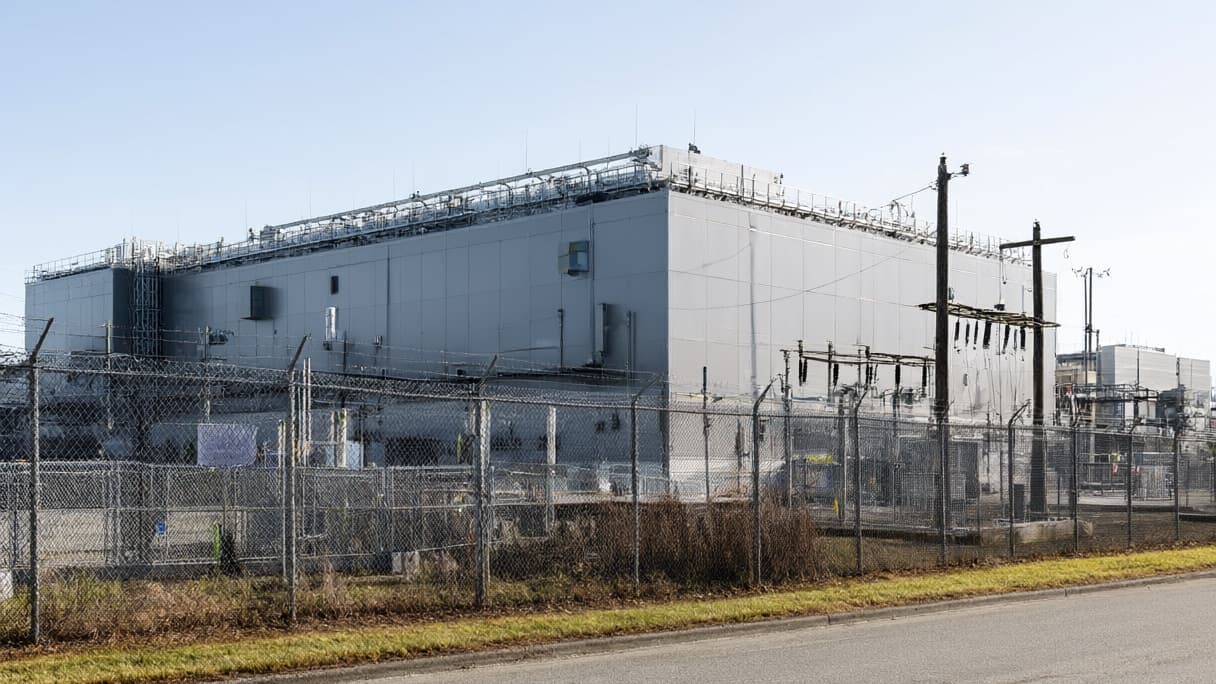
AI-generated image · Bay Street Wire
Rather than blanket opposition, local governments can leverage procurement and ground rules to ensure AI infrastructure serves the community.
The current friction between AI infrastructure and local communities is reaching a breaking point. As BetaKit first reported, Angus Reid Institute polling indicates over two-thirds of Canadians oppose large AI data centers near their homes due to concerns over noise, air pollution, and the consumption of electricity and water. This sentiment has tangible consequences; BetaKit reports that Telus recently abandoned two planned projects in Vancouver due to a lack of local support.
However, reflexive opposition may be less effective than aggressive, structured requirements. Speaking at the MaRS Climate Impact conference, Christopher Fazekas, vice-chair of Xnrgy Climate Systems’ board, argued that because these facilities are inevitable, the focus should shift toward making them "better, together." Fazekas suggests municipalities should establish strict ground rules upfront, such as the total elimination of evaporative cooling and water use, and mandates for lasting local employment through the creation of corporate campuses.
This shift toward accountability is echoed by Irene Lam, director of client services at Mantle Climate. Lam suggests a "middle ground" where cities avoid unconditionally accepting industry terms but instead plan sites around energy system capacity. According to BetaKit, Lam advocates for holding developers accountable via reporting requirements, strict deadlines, and penalties for non-compliance.
Currently, Fazekas notes that innovation is driven primarily by the industry's need to meet AI demand. By pivoting from NIMBYism to demanding innovative, sustainable integration, local governments can force the industry to evolve. As Lam puts it, the goal is to determine how to build this necessary infrastructure in a way that is more responsible and innovative.