
Winter Band-Aids: Toronto's Seasonal Fix for a Permanent Crisis

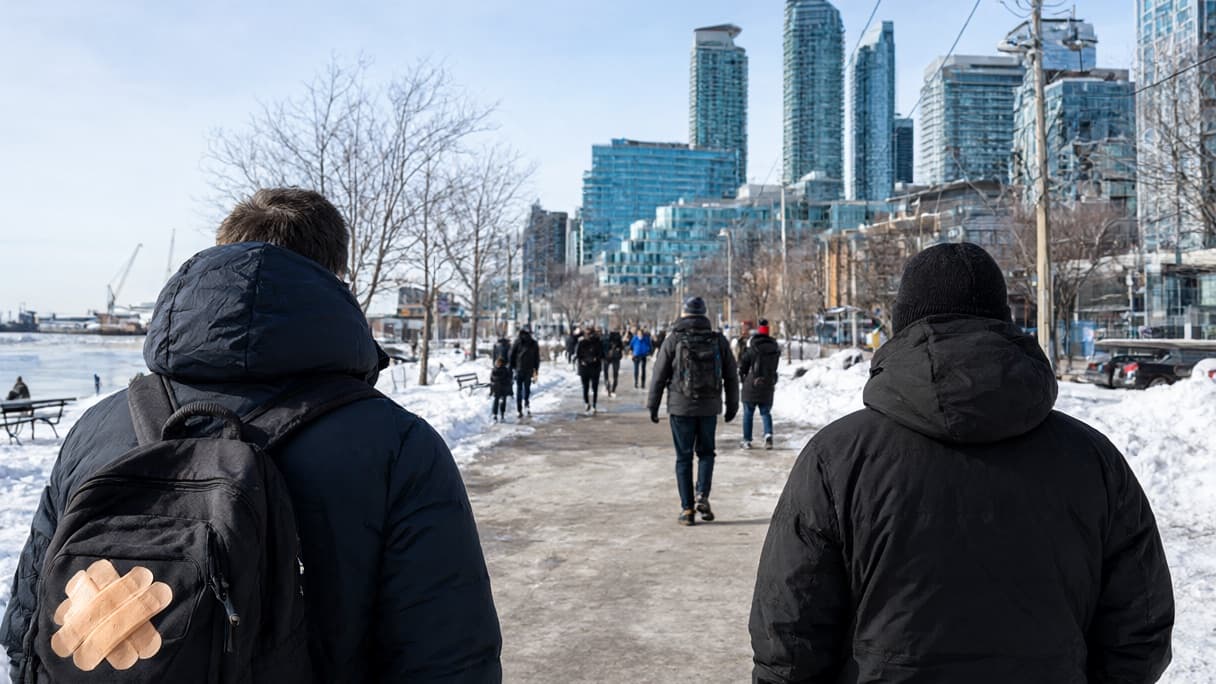
AI-generated image · Bay Street Wire
City Hall unveils its annual Winter Services Plan, but the reliance on temporary warming centres and surge beds highlights a glaring lack of scalable, permanent housing.
Q: What is the City of Toronto's immediate plan to address homelessness this winter?
A: As first reported by the City of Toronto, the city is implementing its annual Winter Services Plan for People Experiencing Homelessness from November 15, 2026, to April 15, 2027. The plan focuses on expanding shelter capacity, activating Warming Centres, and extending hours at daytime drop-in programs. The City reports it will provide up to 1,533 additional shelter and housing spaces, which represents an 18 per cent increase over the previous year.
Q: How are these additional spaces broken down?
A: The City of Toronto news release details the following allocations: - Up to 588 permanent supportive and subsidized units. - About 505 spaces across new shelters and 24-hour winter respite sites. - 254 Warming Centre spaces across five sites, which activate at -5 C or during winter weather warnings. - Approximately 186 surge capacity spaces, which open when temperatures reach -15 C.
Q: Beyond shelter beds, what other emergency services are being deployed?
A: The City of Toronto news release states that street outreach teams will be increased during extreme cold to encourage residents to move indoors. Additionally, staff will provide cold weather supplies, such as sleeping bags and warm clothing. Daytime drop-in programs—which offer laundry, showers, health care, and food—will see their operating hours extended by 252 hours per week.
Q: Does the City believe the homelessness crisis is improving?
A: The City of Toronto news release claims a decrease in the number of people requiring services since the 2024 Street Needs Assessment. It reports that nearly 7,000 people are accommodated nightly, compared to 9,000 last year. Furthermore, the City notes that encampments dropped by approximately 67 per cent, falling from over 353 in October 2025 to about 118 in October 2026. The City also cites a Financial Accountability Office of Ontario report stating that while homelessness rose 17.9 per cent across Ontario between 2022 and 2025, it saw an 8.2 per cent decline in Toronto.
Q: If the numbers are improving, why is a seasonal plan still necessary?
A: The City of Toronto news release admits that the city continues to face a "homelessness emergency" fueled by unmet health needs, insufficient income supports, and unaffordable housing. While the winter plan offers emergency relief, the City is attempting to stabilize the system through its Homelessness Services Capital Infrastructure Strategy, which aims to develop 1,600 long-term shelter spaces.
Q: What is the primary obstacle to moving beyond these seasonal emergency measures?
A: The City of Toronto news release explicitly warns that momentum for long-term stability is at risk without stable funding agreements between the municipal, provincial, and federal governments. The City maintains it is advocating for fair agreements to adequately support housing and shelter for the city's vulnerable population.