
The Winter Band-Aid: Toronto's Seasonal Surge Masks a Permanent Housing Crisis

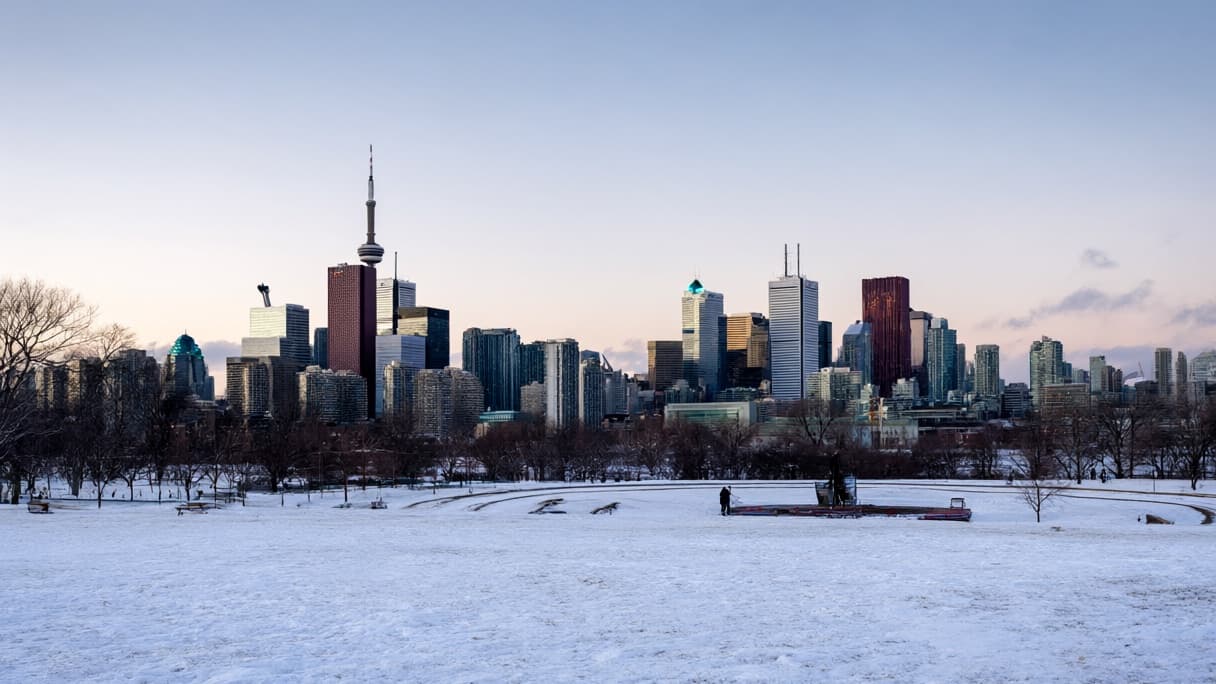
AI-generated image · Bay Street Wire
The City's expansion of emergency shelter and warming centers provides critical survival for the winter, but without stable funding for permanent supportive housing, the most vulnerable remain trapped in a collapsing system.
OPINION: In the machinery of urban governance, there is a distinct difference between survival and stability. The City of Toronto's recently unveiled Winter Services Plan for People Experiencing Homelessness is a masterclass in the former, but it does little to address the systemic rot of the latter.
According to a news release from the City of Toronto, the plan—running from November 15, 2026, to April 15, 2027—is designed to provide immediate relief through a seasonal expansion of resources. On the surface, the numbers suggest a proactive response. The City intends to open up to 1,533 additional shelter and housing spaces, representing an 18 per cent increase over the previous year. This includes approximately 505 new shelter and 24-hour winter respite site spaces, along with 254 Warming Centre spaces activated when temperatures drop to -5 C or during winter weather warnings. For those facing the most extreme conditions, the City will provide roughly 186 additional surge capacity spaces when temperatures hit -15 C.
From a healthcare and humanitarian perspective, these measures are necessary. The City is also extending operating hours at several daytime drop-in programs—adding 252 extra hours of service per week—to provide essential access to food, health care, laundry, and showers. Additionally, the City will deploy more street outreach teams during extreme cold to distribute sleeping bags, warm clothing, and other supplies.
However, these seasonal injections of resources function as a band-aid on a bullet wound. The City of Toronto explicitly admits that the region continues to experience a homelessness emergency, which is fueled by unmet health needs, insufficient income supports, and unaffordable housing. While the emergency plan keeps people from freezing, it does not solve the fundamental lack of permanent, supportive environments where the most vulnerable can actually heal.
There is a glimmer of long-term intent in the data. The City reports that up to 588 of the new spaces are permanent supportive and subsidized units. Furthermore, the City's Homelessness Services Capital Infrastructure Strategy is currently working to develop 1,600 long-term shelter spaces. But as the City of Toronto notes in its own release, the momentum of these long-term efforts is at risk without stable funding agreements between the three orders of government.
This precariousness is where the system fails its most marginalized citizens. When the city's stability depends on the benevolence of multi-governmental funding agreements, the result is a cycle of emergency response rather than systemic cure. The City is currently providing accommodations to nearly 7,000 people each night—a decrease from 9,000 last year—and reporting a 67 per cent decrease in encampments from October 2025 to October 2026. A report from the Financial Accountability Office of Ontario further notes that while homelessness across Ontario rose by 17.9 per cent between 2022 and 2025, the rate in Toronto fell by 8.2 per cent.
Yet, these statistics can be deceptive. The reduction in encampments and the 461 shelter referrals made by Streets to Homes since January 1, 2026, indicate a movement of people into the system, but not necessarily out of the crisis. While more than 4,158 people moved from shelters into permanent housing in the last year, the gap between emergency respite and permanent stability remains vast.
As Gord Tanner, General Manager of Toronto Shelter and Support Services, outlined in the plan's rollout, the city will continue to evaluate and improve supports based on ground-level observations. But evaluation is not the same as execution. Without a guaranteed, permanent shift toward supportive housing, the Winter Services Plan remains a seasonal reprieve. It ensures that the most vulnerable survive the winter, only to return to the same margins of a collapsing system once the April 15 deadline passes and the warming centers close.
Toronto prides itself on being a global leader in finance, technology, and innovation, as highlighted in the City's own descriptions. But the true measure of a city's leadership is not its economic engine; it is how it treats those who have been cast out of its prosperity. Until the City can move beyond the 'surge capacity' model and secure the funding necessary for permanent supportive housing, its winter plan is less of a solution and more of a survival tactic.