
The Survival Hack: When Life-Saving Tech Becomes a Luxury

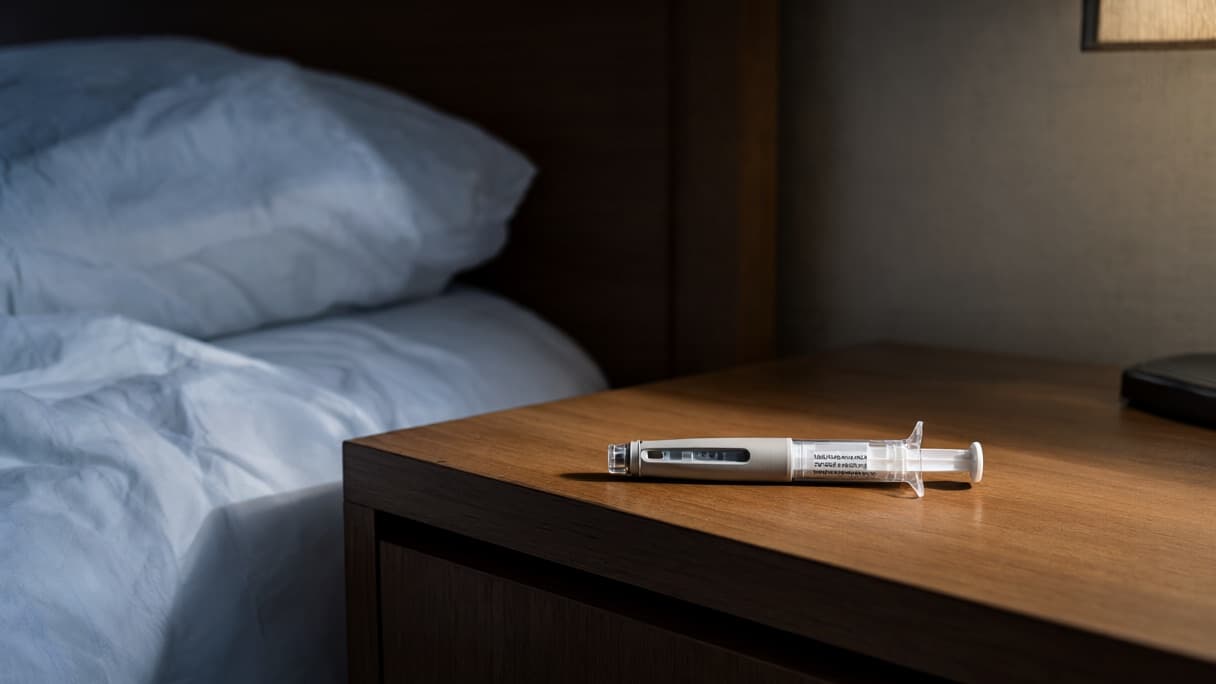
AI-generated image · Bay Street Wire
Opinion: The surge in unapproved GLP-1 use isn't a failure of patient compliance—it's a desperate response to a healthcare system that treats accessibility as an afterthought.
In the tech world, we celebrate 'hacking' as a sign of ingenuity. But when the system being hacked is a person's own medical prescription, it isn't innovation—it's a crisis of access.
As Ars Technica first reported, recent data reveals a disturbing trend in the real-world application of GLP-1 medications. These peptide-based drugs, used to treat diabetes, weight loss, cardiovascular disease, and obstructive sleep apnea, have become cultural touchstones. Yet, for millions of Americans, the 'innovation' isn't the drug itself, but the dangerous ways they are forced to manipulate its delivery just to survive.
According to a study published in the Centers for Disease Control and Prevention's (CDC) Morbidity and Mortality Weekly Report, researchers estimate that roughly 27 million US adults—about 9.8 percent of the population—used GLP-1 medications in 2025. On the surface, the adoption rate is impressive. But look closer at the behavior of those users, and the picture turns grim.
Ars Technica reports that nearly half (44 percent) of these users reported taking their medication in a way that differed from their prescription. They aren't doing this out of negligence; they are doing it out of necessity. More than half of those modifying their usage cited availability or cost as the primary driver.
This is where the inclusion gap becomes a canyon. The burden of this 'survival hacking' falls disproportionately on the young. Ars Technica notes that 58 percent of adults aged 14–39 who modified their drug use cited cost as the barrier, compared to only 20 percent of those aged 65 or older. When the price of health is gated behind a paywall, the marginalized are forced to gamble with their own biology, skipping doses or delaying refills to make a limited supply last.
Then there is the rise of the compounded version. Ars Technica reports that at least 23 percent of GLP-1 users utilized compounded versions of the drugs—medications made by compounding pharmacies to mimic FDA-approved versions like Ozempic or Wegovy. These compounded versions are not approved by the FDA, meaning the agency does not review their quality, effectiveness, or safety before they hit the market.
As a result, these users are walking into a regulatory blind spot. Ars Technica highlights that compounded drugs generally carry higher risks of contamination, manufacturing problems, and preparation errors. The desperation is so acute that 62 percent of people using these unapproved versions were not taking them as prescribed, compared to 36 percent of brand-name users.
Worst of all is the predatory nature of the marketplace. Ars Technica cites a 2025 study of websites selling compounded GLP-1s, finding that nearly 40 percent of these sites implied the drugs were FDA-approved, and nearly 80 percent used brand names in their advertising—a direct violation of FDA regulatory standards.
We are witnessing a two-tiered system of survival. On one side, those who can afford the brand-name, FDA-approved path. On the other, a population forced into a shadow market of unapproved compounds and modified dosages. When life-saving technology is priced as a luxury, the 'innovation' is no longer happening in the lab—it's happening in the desperate, dangerous calculations of patients trying to stay alive. Until access is treated as a core feature of the technology, these drugs aren't solving a health crisis; they are creating a new one of inequality.