
The Shadow Market: How Access Barriers Drive Millions to Unapproved GLP-1s

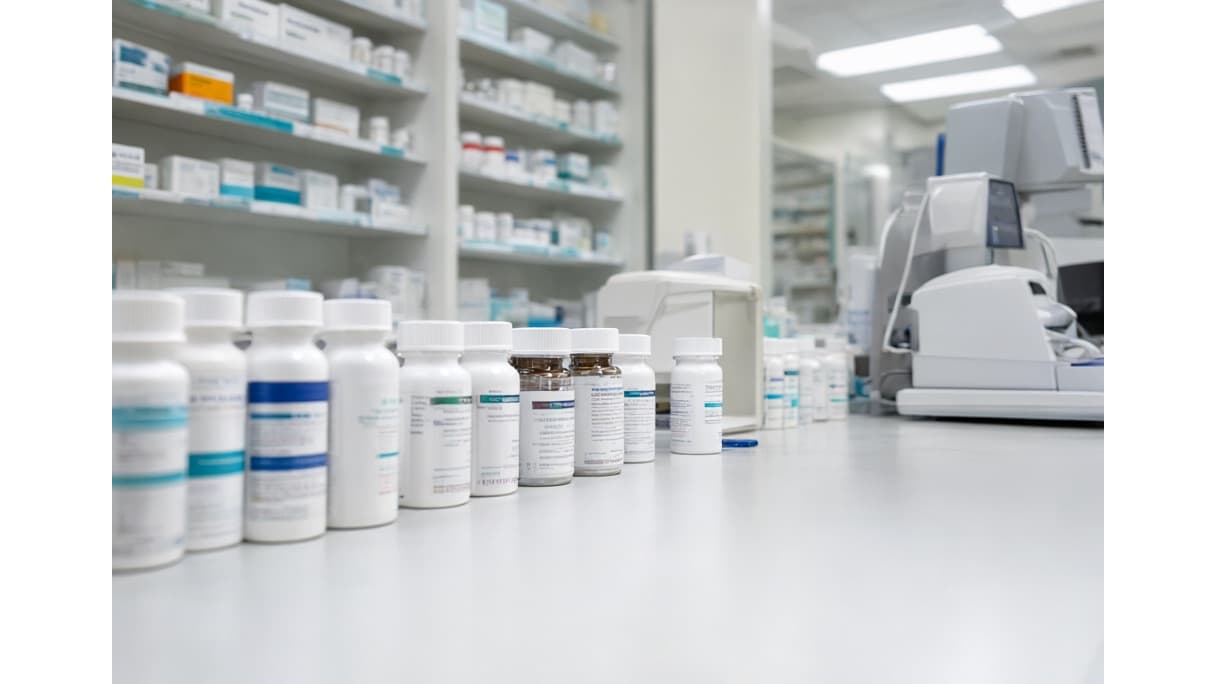
AI-generated image · Bay Street Wire · Based on a photo by Jeremy Thompson (CC BY 2.0, Wikimedia Commons)
When cost and availability lock people out of FDA-approved care, the resulting 'modified use' isn't a medical anomaly—it's a systemic failure.
The current crisis surrounding GLP-1 medications is frequently framed as a matter of medical safety or patient non-compliance. However, looking at the data, it becomes clear that the real failure is one of access. When the healthcare system creates insurmountable barriers to essential medication, it doesn't stop the need; it simply pushes the most vulnerable users into a dangerous, unregulated shadow market.
As first reported by Ars Technica, a study published in the Centers for Disease Control and Prevention's (CDC) Morbidity and Mortality Weekly Report reveals the staggering scale of this shift. Based on survey data from over 8,000 US adults collected in mid-2025, researchers estimate that approximately 27 million adults—roughly 9.8 percent of the US population—used GLP-1 medications in 2025.
***
**Opinion: The Cost of Exclusion**
As a columnist focused on inclusion, I see a clear pattern here: the system is designed to exclude. When we see millions of people deviating from medical prescriptions, we shouldn't ask why the patients are 'misusing' the drug; we should ask why the approved path is so inaccessible that the risk of an unapproved drug becomes a rational choice for the user. This is a systemic failure where financial status determines whether a patient receives a regulated pharmaceutical or a gamble from a compounding pharmacy.
***
The data supports this. Ars Technica reports that nearly half (44 percent) of GLP-1 users reported using the medication in a manner different from how it was prescribed. This includes delaying refills, skipping doses, or using smaller doses. Crucially, more than half of those modifying their treatment cited availability or cost as the primary driver.
This burden is not shared equally. The barriers are most acute for younger populations. Ars Technica notes that 58 percent of adults aged 14–39 who modified their use pointed to cost as the barrier, compared to only 20 percent of adults aged 65 or older.
This desperation fuels the rise of compounded GLP-1s—versions intended to mimic FDA-approved drugs like Ozempic or Wegovy but which are not themselves FDA-approved. Ars Technica reports that at least 23 percent of GLP-1 users utilized these compounded versions, with another 9 percent unsure of their medication's origin. These drugs are often more affordable, but they come with higher risks of contamination, manufacturing problems, and preparation errors.
Moreover, the market is actively misleading those it targets. A 2025 study cited by Ars Technica found that nearly 40 percent of websites selling compounded GLP-1s implied the drugs were FDA-approved, and nearly 80 percent used brand names in their advertising, a direct violation of FDA regulatory standards.
The result is a dangerous cycle: 62 percent of people using unapproved GLP-1s reported not taking them as prescribed, compared to 36 percent of brand-name users. By failing to ensure equitable access to approved medications, the system has effectively outsourced the health of millions to an unregulated market where safety is an afterthought and transparency is nonexistent.