
The Cost of Survival: How GLP-1 Pricing is Driving Millions Toward Unapproved Meds

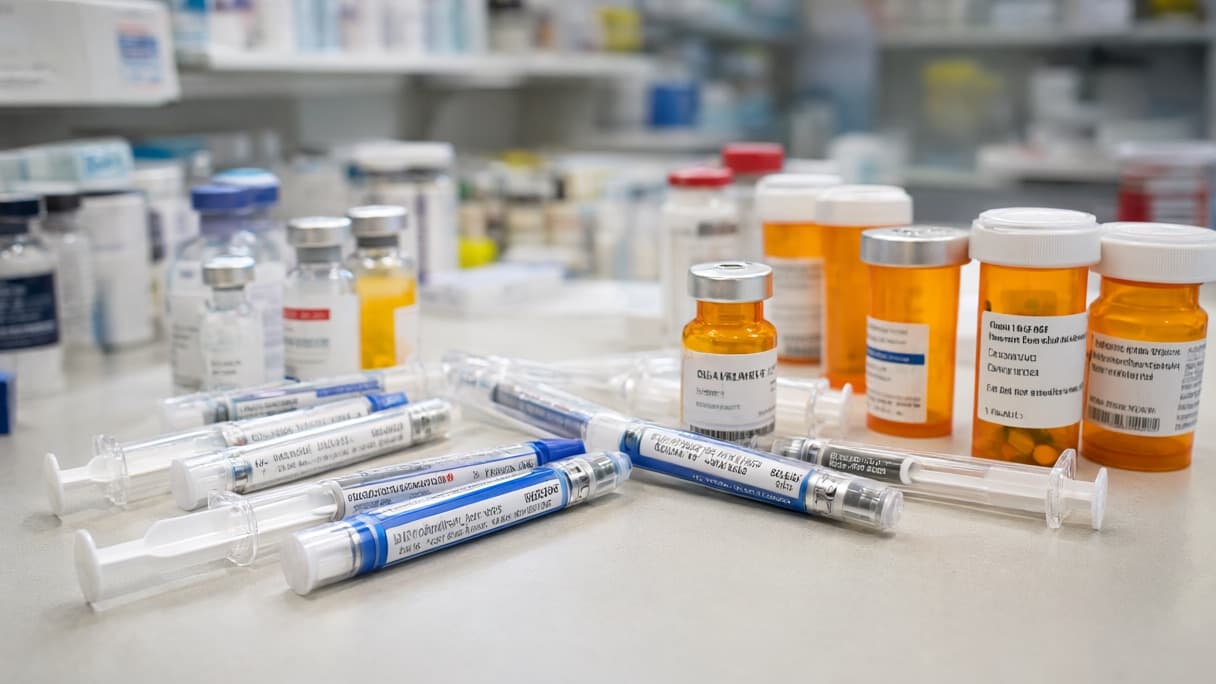
AI-generated image · Bay Street Wire
When life-saving medication becomes a luxury, the 'access gap' isn't just a systemic failure—it's a public health crisis driven by corporate greed.
OPINION: In the tech and biotech boom, we often celebrate the 'disruption' of healthcare. But when the disruption is a price tag that renders essential medicine inaccessible, it isn't innovation—it's an exclusion tactic. The current state of GLP-1 medication access is a textbook example of how corporate greed transforms a medical breakthrough into a luxury good, leaving the most vulnerable to gamble with their lives in the shadows of the unregulated market.
As Ars Technica first reported, the scale of this crisis is staggering. Data from the Centers for Disease Control and Prevention (CDC), published in the Morbidity and Mortality Weekly Report, estimates that roughly 27 million US adults—about 9.8 percent of the population—used GLP-1 medications in 2025. These drugs are critical for treating diabetes, obesity, cardiovascular disease, and obstructive sleep apnea. Yet, for millions, the prescription is only the beginning of the struggle.
As Ars Technica reports, nearly half (44 percent) of GLP-1 users are not taking their medication as prescribed. They are skipping doses, delaying refills, or reducing their dosage. This isn't a matter of patient negligence; it is a desperate response to systemic barriers. More than half of those modifying their use cited availability or cost as the primary reason. This burden falls heaviest on the young: 58 percent of adults aged 14–39 who modified their use pointed to cost as the barrier, compared to only 20 percent of those 65 and older.
When the official channel is blocked by price, people seek alternatives. Ars Technica notes that at least 23 percent of GLP-1 users turned to compounded versions of the drugs, with another 9 percent unsure of their medication's origin. These compounded versions, designed to mimic FDA-approved drugs like Ozempic or Wegovy, are not themselves approved by the FDA. Consequently, they lack regulatory review for quality, effectiveness, or safety.
The danger is acute. Ars Technica highlights that compounded drugs generally face higher rates of contamination, manufacturing problems, and preparation errors. The desperation is evident in the data: 62 percent of those using unapproved GLP-1s were not taking them as prescribed, compared to 36 percent of brand-name users.
Adding to the peril is a predatory marketing landscape. A 2025 study cited by Ars Technica found that nearly 40 percent of websites selling compounded GLP-1s implied the drugs were FDA-approved, and nearly 80 percent used brand names in their ads—a direct violation of FDA regulatory standards.
This is the 'access gap' in its most lethal form. When pharmaceutical pricing pushes patients toward unapproved, potentially contaminated alternatives, the resulting public health crisis is a choice made by the companies holding the patents. We are witnessing a two-tiered health system where safety is a premium feature, and those who cannot afford the brand name are left to navigate a minefield of misleading advertisements and unregulated pharmacies.