
The Super Intelligence Pivot: SpaceX's Valuation Gamble

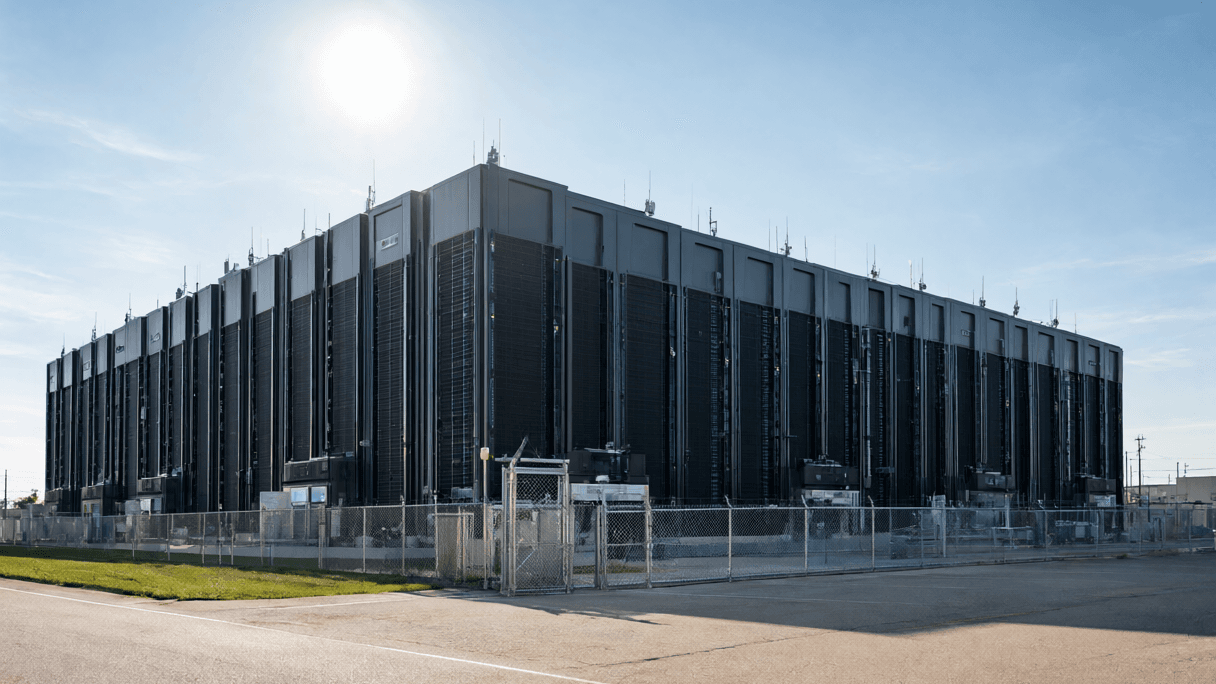
AI-generated image · Bay Street Wire
Elon Musk is rebranding infrastructure as 'AI' to mask capital intensity and chase trillion-dollar projections.
OPINION: SpaceX is attempting a masterful pivot in corporate nomenclature. By rebranding its operations into a "Super Intelligence" business line, the company is effectively attempting to trade traditional aerospace margins for the inflated multiples of the AI hype cycle.
As TechCrunch first reported, AI now accounts for 52% of SpaceX's income. This shift is anchored by the Grok bot, the acquired Cursor coding tool, and a "neocloud" business featuring 1.7 GW of compute. While CEO Elon Musk claims the company is deploying power and cooling infrastructure faster than competitors—likening the effort to the New York Yankees playing in Little League—the financial reality is one of staggering capital intensity.
SpaceX reported $14.6 billion in third-quarter revenue, but this was offset by $19.6 billion in total capital expenditures. These costs are driven by the Starship rocket and the construction of Colossus II, a second data center in Memphis, TN. While the company reported a third-quarter net income of $4.4 billion—a recovery from a $1 billion loss in the same period last year—the broader picture is less pristine. SpaceX still carried a net income loss of $413 million across the first nine months of the year.
Furthermore, the third-quarter revenue was padded by $1 billion from bitcoin price recoveries and unspecified related-party income. Despite these volatility-driven gains and ongoing losses, Musk is projecting annual recurring revenue between $500 billion and $1 trillion by the end of 2027. By framing heavy infrastructure and rocket development as the backbone of "Super Intelligence," SpaceX isn't just building data centers; it is building a narrative designed to inflate its valuation.