
The 'Single Tax' is Real, and Toronto's Housing Stock is Failing a Generation

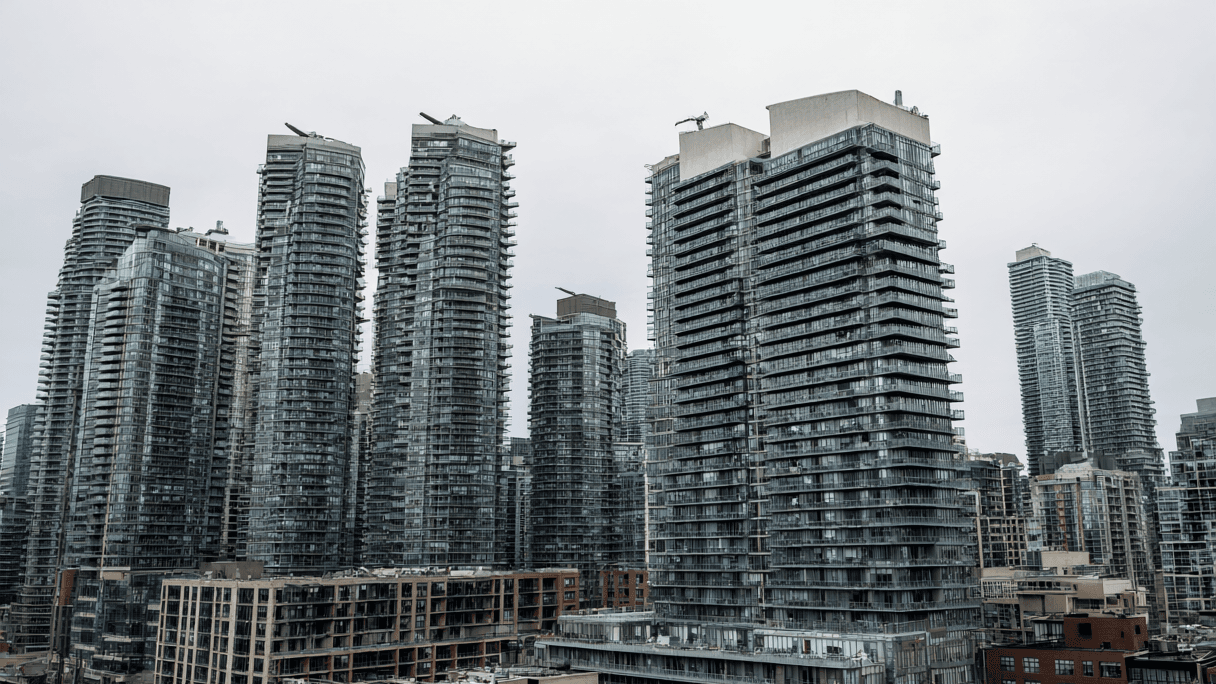
AI-generated image · Bay Street Wire
Opinion: As the cost of living skyrockets, we must stop pretending that living alone is a sustainable luxury for the average single worker.
For decades, the dream of the independent apartment has been a cornerstone of urban adulthood. But for a growing number of Torontonians, that dream has morphed into a financial trap. It is time we stop pretending that our current housing stock and economic policies can accommodate a generation that can no longer afford the luxury of living alone.
As CBC Toronto first reported, economists and researchers, including Kwame McKenzie, CEO of the Wellesley Institute, have identified this phenomenon as the “single tax.” It is the invisible penalty paid by those who do not have a partner or roommate to split the mounting costs of rent, utilities, and groceries. While the number of one-person households more than doubled between 1981 and 2021 according to Statistics Canada, the financial infrastructure supporting them has remained stagnant.
As reported by CBC Toronto, the math for a single person in the city is increasingly brutal. Based on data from the Toronto Regional Real Estate Board, a one-bedroom rental averages approximately $2,273 per month. When you add roughly $360 for groceries (per Canada's Food Price Report 2026) and $150 for utilities, the baseline cost hits $2,783 monthly.
Consider the tragedy of that figure when compared to the 2021 census data cited by CBC Toronto: the median income for one-person households in Toronto was $45,200. That translates to a take-home pay of roughly $3,057 per month. After paying for the bare essentials of shelter and food, a single person is left with just $274 to cover internet, transit, clothing, and every other personal expense. This isn't living; it's surviving on a knife's edge.
We are seeing the human cost of this gap in real-time. Richard Matern, director of research at Food Banks Canada, notes in the HungerCount 2026 report that single-person households are the largest group accessing food banks nationwide, representing 44.1% of usage. Matern points out a glaring hole in our social safety net: while seniors and families with children have specialized income benefits, working-age single adults are largely left to fend for themselves.
Even those who are "doing well" are struggling. The Wellesley Institute's 2024 research found that to live a healthy and meaningful life in Toronto—including a nutritious diet and manageable housing—a single person under 45 needs a gross annual salary of roughly $82,000. That is nearly double the 2021 median income for that demographic.
As McKenzie tells CBC Toronto, government strategies have historically focused on families, leaving single people to "drop off the map." This neglect is a policy choice. Whether it is the rising cost of food and utilities or the increased carrying costs of student debt driven by interest rates, the burdens are falling disproportionately on those without a second income to lean on.
We cannot simply "budget" our way out of a structural crisis. McKenzie suggests that we need systemic shifts, including tax reforms targeting single people aged 18 to 40, further rent controls, and student debt repayments that scale with income.
Until we acknowledge that the "single tax" is a systemic failure, we are essentially telling a quarter of Toronto's private households—the 25% of one-person households recorded in the 2021 census—that they are on their own. The reality is that the current cost of living has made independence a luxury item, and it's time our policies reflected that.