
The Robotics Factory Fallacy: Why DR Horton's Bet on Promise Robotics Ignores the Gravity of Construction Margins

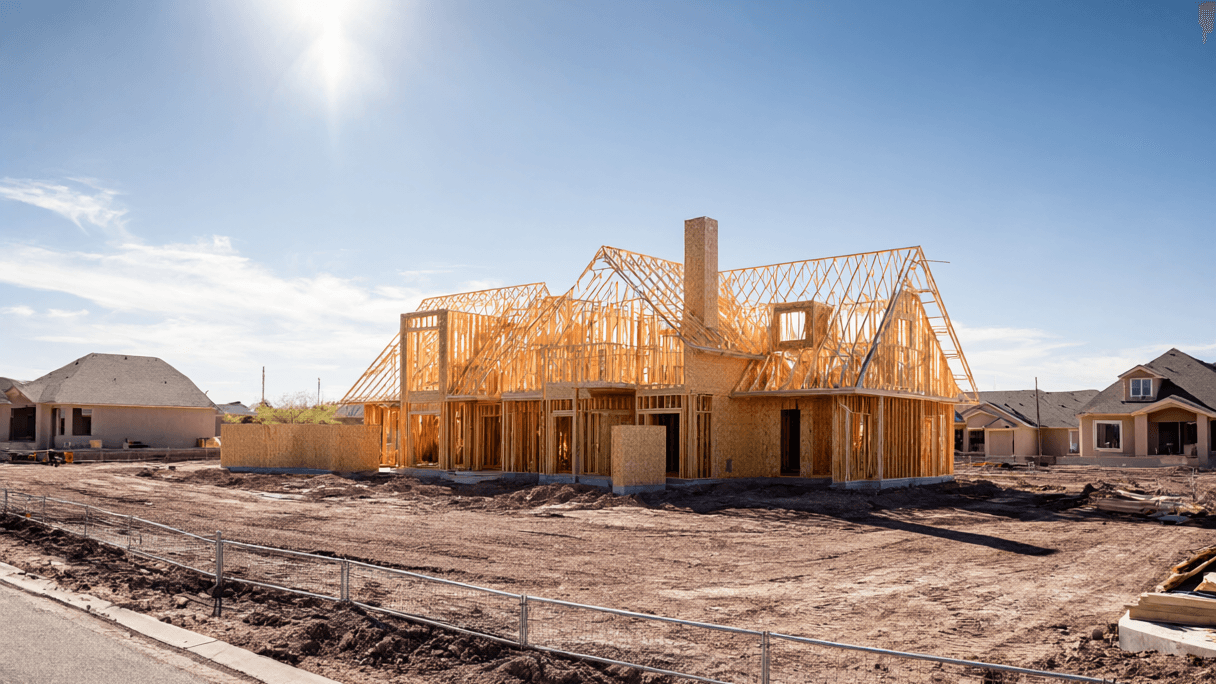
AI-generated image · Bay Street Wire
Opinion: Promise Robotics is scaling into the U.S. with a 'factory-as-a-service' model, but the leap from 200 builds to a mass-market Phoenix hub is a capital-intensive gamble that history suggests rarely pays off.
In the world of construction tech, there is a recurring fever dream: the idea that we can simply 'industrialize' the home. Now, Toronto-based Promise Robotics is attempting to turn this dream into a physical reality in the American Southwest.
As first reported by BetaKit, Promise Robotics has secured a multi-year commercial agreement with DR Horton, the largest homebuilder in the United States by volume. The deal involves using Promise’s "factory-as-a-service" capabilities to produce more than 1,250 single-family, single-story homes in the Phoenix, Arizona area. To support this expansion, Promise will launch a 16,000-square-foot Phoenix facility, with manufacturing expected to start in early 2027.
On the surface, this looks like a victory. Promise CEO Ramtin Attar told BetaKit that the deal is "very significant" because of DR Horton's scale. Brad Conlon, senior vice president of strategic innovation at DR Horton, stated that the integrated platform provides a new capability to help the homebuilder improve cycle times and production capacity.
But as a skeptic, I see a dangerous pattern. The "factory-as-a-service" model sounds sleek, but in the dirt of Phoenix, it is a capital-intensive gamble. Promise claims a track record of over 200 builds for clients including Mattamy, Hopewell, and Brookfield, and is currently contracted for just over 2,500 homes. Moving from a few hundred builds to a continuous production line is a quantum leap in operational risk.
The overhead of maintaining a 16,000-square-foot facility and growing the workforce from 80 to 100 employees by late 2026 is where margins evaporate. Furthermore, Promise is still working to add plumbing, HVAC, insulation, and drywall to its robotic output. Until a factory can handle the vast majority of a home's critical systems, the "speed" advantages are often offset by the logistical nightmare of coordinating robotic components with traditional on-site labor.
DR Horton is playing a low-risk game; for the nation's largest builder, 1,250 homes is a rounding error. But for Promise Robotics, this is a "go-to-market facility"—a massive bet on their ability to scale. In the race to build more homes faster, the most dangerous move is assuming that a factory is the answer.