
The Physical Wall: Why the AI Race is Now a Battle for Power and Water

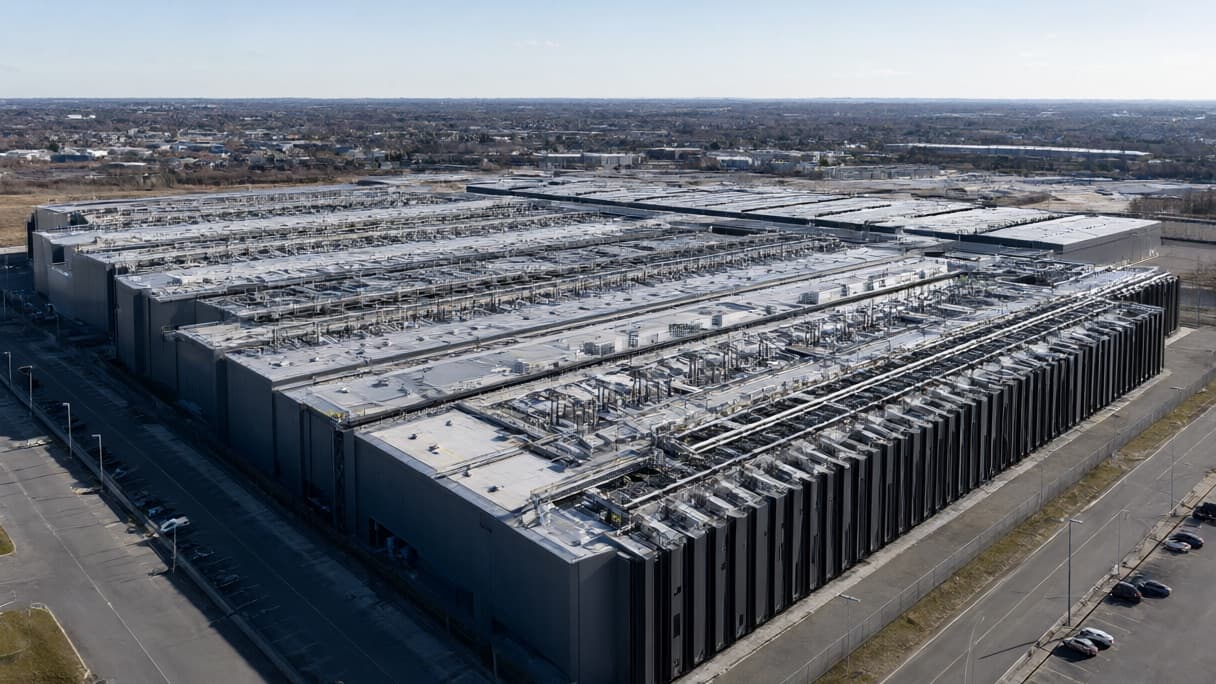
AI-generated image · Bay Street Wire
The rush for hyperscale infrastructure has moved beyond silicon, hitting a material bottleneck of energy grids and local resources that could trigger a political reckoning.
In the semiconductor world, we often obsess over the architecture of the chip, but the real bottleneck for generative AI is shifting from the silicon to the socket. As TechCrunch first reported, the race to build hyperscale data centers is no longer just a real estate play; it is a collision between the digital ambitions of Big Tech and the physical limits of the planet.
Journalist Paris Marx explores this tension in his book *Hyperscale*, arguing that the current trajectory of data center expansion is "fundamentally unsustainable" and disconnected from the requirements of a livable planet. This material friction manifests as noise pollution from roof-mounted air conditioning units and surging power bills for local communities.
***Opinion:*** *From a hardware perspective, the industry has treated power and cooling as solved variables. But the 'cloud' is actually a massive industrial footprint requiring staggering resources to keep GPUs from melting. The winners of the AI race won't just be those with the best models, but those who can secure physical infrastructure without triggering a total regulatory shutdown.*
These bottlenecks are already appearing globally. In Ireland, data centers consume more than 20% of the nation's electricity, driving up prices and forcing a 2022 moratorium on new grid connections in the Dublin area. Water is another failure point: communities near Santiago, Chile, organized against water pressure from Microsoft and Google facilities, while in The Dalles, Oregon, it was revealed that Google used 29% of the city's water.
This friction is fueling political volatility. TechCrunch notes that data center backlash was a motivator for the "massive blue wave" in recent midterm elections. As Democrats gain power, the industry faces a landscape where the physical manifestations of tech—from Waymo's self-driving cars and Meta's smart glasses to Flock cameras—are becoming primary targets for public anger.