
The Border Wall for Bits: Trump's Data Center Tax as a Hardware Power Play

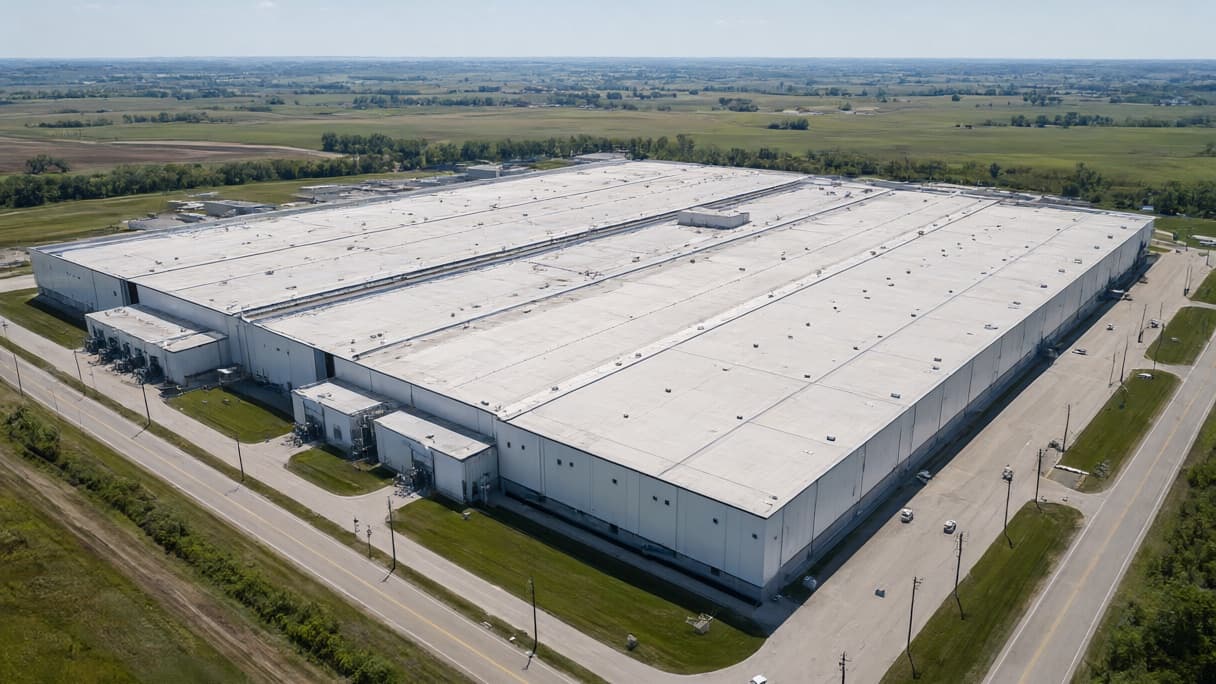
AI-generated image · Bay Street Wire
By threatening 'tremendous penalties' for overseas AI infrastructure, the administration is attempting to force a domestic hardware monopoly.
From a hardware perspective, the latest move from the White House isn't just about geography—it's about controlling the physical layer of the AI revolution.
According to reporting from CBC, President Donald Trump announced on Friday that U.S. tech companies building artificial intelligence data centers in other countries will face a "tremendous tax." Trump explicitly stated that the U.S. is "not allowing data centres to go into other countries" because of the risk that China will "take all of them."
**Opinion:** This is a direct assault on the global GPU supply chain. By threatening "tremendous penalties" for international expansion, the administration is attempting to force a hardware monopoly within U.S. borders. This isn't just about national security; it is a desperate attempt to ensure that the massive server warehouses powering the AI boom remain exclusively on American soil.
Trump has urged U.S. citizens to welcome these facilities in their own communities, telling them to "take advantage of the data centres" and extract payments from developers. This push comes as the U.S. Senate recently approved bipartisan legislation to accelerate permitting for power plants and transmission lines to meet the energy demands of these facilities.
While Trump claims he wants companies to "build it here," the strategy coincides with aggressive chip restrictions. CBC reports that the administration recently issued rules to limit remote access to advanced U.S. computing chips and servers to hinder China's ability to train AI models. Between the chip bans and the threatened data center taxes, the goal is clear: total domestic containment of the AI hardware stack.