
The AI Land Grab: Big Tech's Hunger for Power is Overriding Local Sovereignty

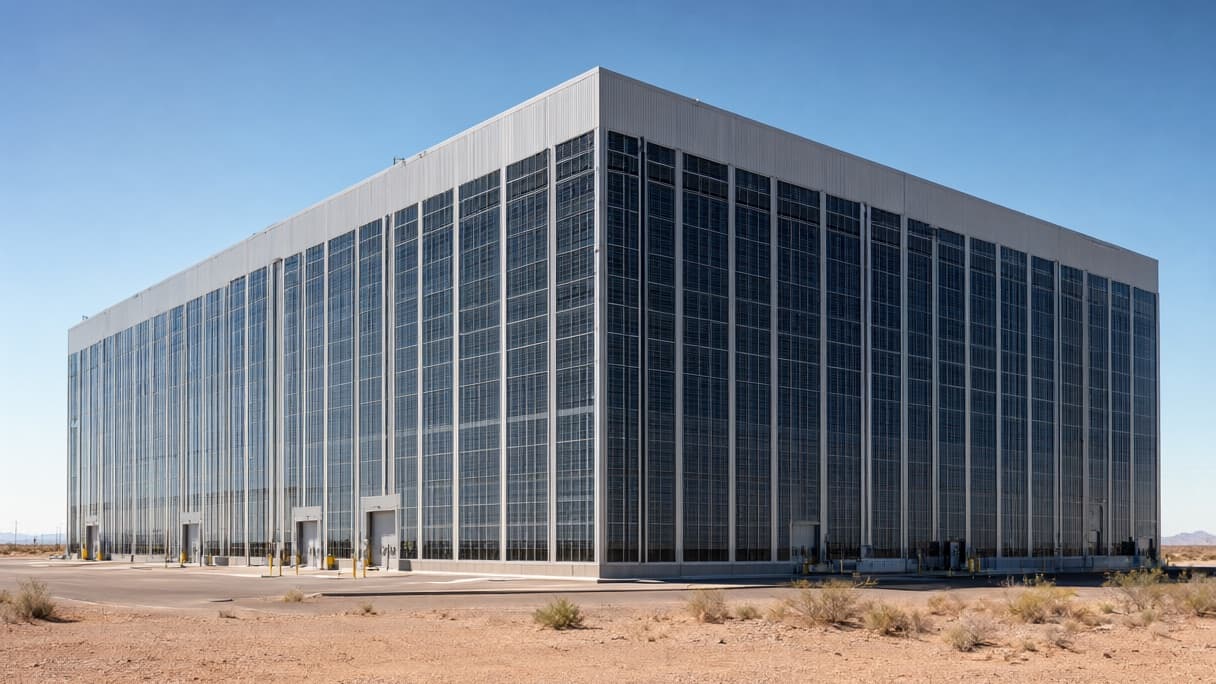
AI-generated image · Bay Street Wire
Opinion: From secretive NDAs to the depletion of Arizona's water, the rush to build AI data centers is a war on communities that voters are finally starting to win.
For years, the titans of Big Tech have treated the physical world as a mere footnote to their digital ambitions. We were told that the AI revolution was ethereal—all algorithms and cloud computing. But the 'cloud' is actually a collection of massive, energy-hungry warehouses that require staggering amounts of electricity and water to function. What we are witnessing now is not just an industrial expansion; it is a land grab where the hunger for AI dominance is overriding environmental safety and local sovereignty.
As first reported by The Verge, the physical foundation for AI is a sprawling network of data centers that have sparked fierce battles across the United States. These infrastructure projects threaten to destabilize power grids, inflate utility bills, and drain precious natural resources. The scale of the appetite is immense. AMD CEO Lisa Su recently told Yahoo Finance that AMD is a "data center first company," noting that the company's data center business is expected to grow 50 percent from Q3 to Q4—a growth Su describes as a "testament to how important computing is" to the AI boom.
But this growth comes at a steep cost. In Arizona, the AI boom is coming for the state's limited water supply. In Texas, voters have made their disdain clear. According to an NBC News poll conducted on Election Day, 76 percent of voters opposed the presence of data centers in their own communities.
Perhaps most galling is the culture of secrecy. Tech giants have used non-disclosure agreements (NDAs) to shield their dealings with public officials. The Verge reports that many projects relied on these NDAs to hide discussions between developers and local government. Only after a resounding electoral defeat did the industry attempt to pivot. Following the midterms, OpenAI announced it would stop using NDAs with public officials (though it maintains "narrow protections" for trade secrets), and Amazon made a similar pledge in October.
The political fallout is already reshaping the American landscape. The 2026 midterms proved that data centers are a potent, bipartisan issue. In Michigan, Democratic Senator-elect Abdul El-Sayed supports development moratoriums, as does Texas Democratic Governor-elect Gina Hinojosa. In Maine, Republican Susan Collins—who received donations from venture capitalists Marc Andreessen and Ben Horowitz, as well as Palantir CEO Alex Karp—conceded her seat in a race fueled by tech tensions. In Ohio, the projected victory of Democrat Sherrod Brown over Republican Jon Husted—whom Brown labeled "the face of data centers"—further signals this shift. A leaked August memo from the National Republican Senatorial Committee explicitly warned that if Husted lost and data centers were blamed, other politicians would refuse to touch such projects.
Yet, the industry is still looking for loopholes. The Verge reports that a bipartisan permitting bill advancing in a lame-duck Congress could speed up energy projects. While framed as a way to lower utility bills, environmental advocates fear this bill limits environmental reviews and prevents communities from challenging projects in court, sacrificing caution for speed.
We see this pattern everywhere: from a small Wisconsin city that scuttled a secretive $1.6 billion project, to San Diego, where residents—including some using the pseudonyms Lord Farquaad and Elmo—addressed the City Council to delay a buildout. The message is clear: the community is not a resource to be mined.
Big Tech believes the AI race justifies any cost. But when that cost is the water in Arizona or the democratic right of a town to decide what happens to its own land, the price is too high. It is time we stopped letting the giants treat our hometowns as disposable server farms.