
The 'AI Election' Reality Check: Big Tech's Partisan Spin Can't Hide Public Hostility

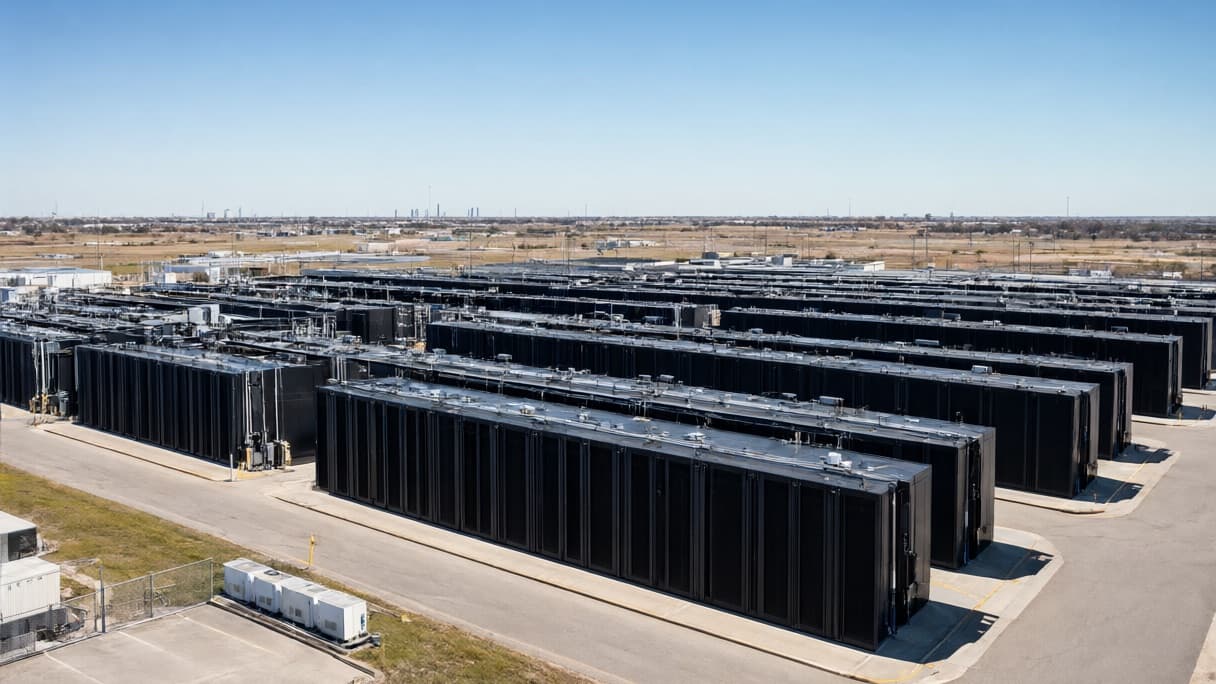
AI-generated image · Bay Street Wire
Industry insiders attempt to frame a sweeping electoral rejection of data centers as a mere 'anti-Trump wave,' but the numbers tell a story of systemic resentment toward unchecked AI growth.
Opinion: Big Tech is currently attempting a desperate pivot. After voters delivered a crushing blow to the AI buildout in the 2026 midterms, industry lobbyists are trying to frame this systemic resentment as a partisan quirk rather than what it actually is: a public rejection of the industry's unchecked data hunger.
As first reported by Ars Technica, the results of the first true "AI election" show a widespread mandate to restrict the infrastructure powering these models. Redbud Consulting tracked 44 ballot measures across 10 states aimed at restricting data centers; 38 of those measures passed, consisting largely of bans and moratoriums. While some analysts suggest these won't impact projects already approved through 2027, they pose a massive threat to future growth planned for 2028.
Even the solitary win for developers—a measure in North Dakota—came with strings attached, requiring developers to hold public hearings and pay for independent reviews when proposing expansions, as reported by Ars Technica.
The political landscape has shifted violently against the industry. Democratic challengers won governor races in the four largest states courting data center developers: Texas, Arizona, Georgia, and Ohio. In Texas, the epicenter of the boom, Governor-elect Gina Hinojosa plans to delay projects to pass laws addressing property rights and impacts on air, electricity, and water. Axios reports that Texas was expected to provide over 41 percent of added data center capacity in 2028, and Axios projects that nearly two-thirds of all 2028 capacity could now face delays. Bloomberg estimates that half of all U.S. data centers are now vulnerable to scrutiny.
The financial stakes are staggering. Gartner recently estimated the AI boom is nearly $5 trillion short of paying for itself, and Bloomberg notes that tighter rules on tax incentives and grid infrastructure costs will increase developer expenses at a critical moment.
Predictably, the industry is in denial. Adam Kovacevich, CEO of the Chamber of Progress and a former Google executive, attempted to downplay the results in a statement, arguing that voters wanted economic change rather than a crackdown on innovation. Kovacevich explicitly warned against confusing an "anti-Trump wave" with an "anti-tech mandate," claiming there was little evidence of a mandate to crack down on AI.
However, the data suggests otherwise. Alejandra Montoya-Boyer, vice president of The Leadership Conference’s Center for Civil Rights and Technology, told Ars Technica that voters turned out in record numbers to elect leaders willing to protect them from unchecked AI. This is backed by NBC News exit polls, which show that 3 out of 4 voters are opposed to data centers.
As Libby Cantrill, head of public policy at PIMCO, warned, the industry should expect more "sand in the gears" of the buildout, requiring more concessions and longer timelines for approvals. Whether these projects move to other states or vanish entirely, the message from the electorate is clear: the era of the frictionless AI land grab is over.