
Supreme Court Weighs Fate of Climate Deception Lawsuits

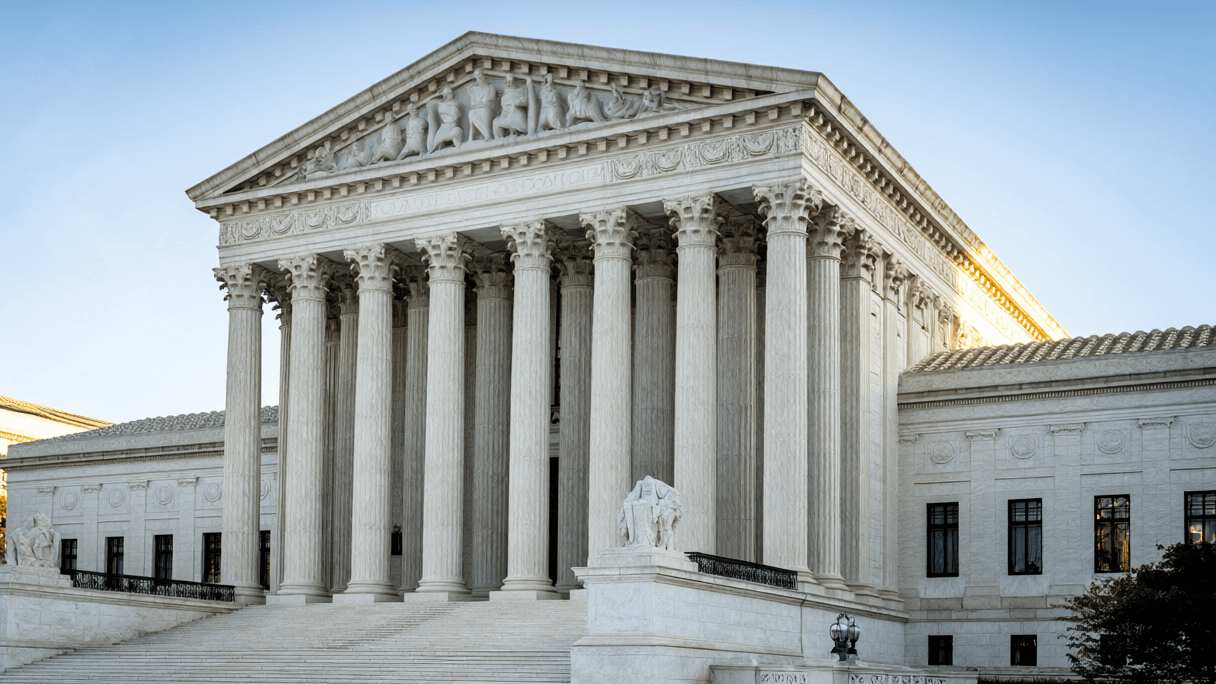
AI-generated image · Bay Street Wire
Oil companies are petitioning the high court to block state-level liability claims, arguing federal law preempts local efforts to seek damages for climate-related harms.
The U.S. Supreme Court recently heard arguments in *Suncor v. Boulder*, a case that could determine the future of more than two dozen lawsuits accusing the oil industry of deceiving the public about climate change. The original 2018 lawsuit was filed by the city and county of Boulder against Suncor Energy and ExxonMobil in Colorado state court.
As Ars Technica first reported, the oil companies are asking the court to rule that federal law preempts state and local governments from bringing these claims. Kannon Shanmugam, arguing for Exxon and Suncor, claimed that allowing these cases to proceed would enable thousands of municipalities to influence international energy policy by seeking "catastrophic damages." Conversely, Kevin Russell, arguing for Boulder, stated the case is about "deception" rather than emissions and seeks financial damages rather than injunctions on company activity.
During the hearing, Justice Clarence Thomas questioned whether the court has jurisdiction to intervene since no ruling has yet been issued. Michael Gerrard, faculty director at the Sabin Center for Climate Change Law at Columbia University, told Ars Technica that some conservative justices appeared inclined to agree that federal law—specifically the Constitution or the Clean Air Act—preempts some of the claims.
Boulder's city manager, Nuria Rivera-Vandermyde, stated that the legal battle centers on whether taxpayers or the defendants should bear the costs of climate-related extreme weather, such as floods and wildfires. The outcome remains uncertain, particularly as Justice Samuel Alito recused himself due to oil company stock holdings, creating the possibility of a tie vote that would allow the case to proceed.