
IEA Pushes for 35% Electrification Target Amidst Systemic Hurdles

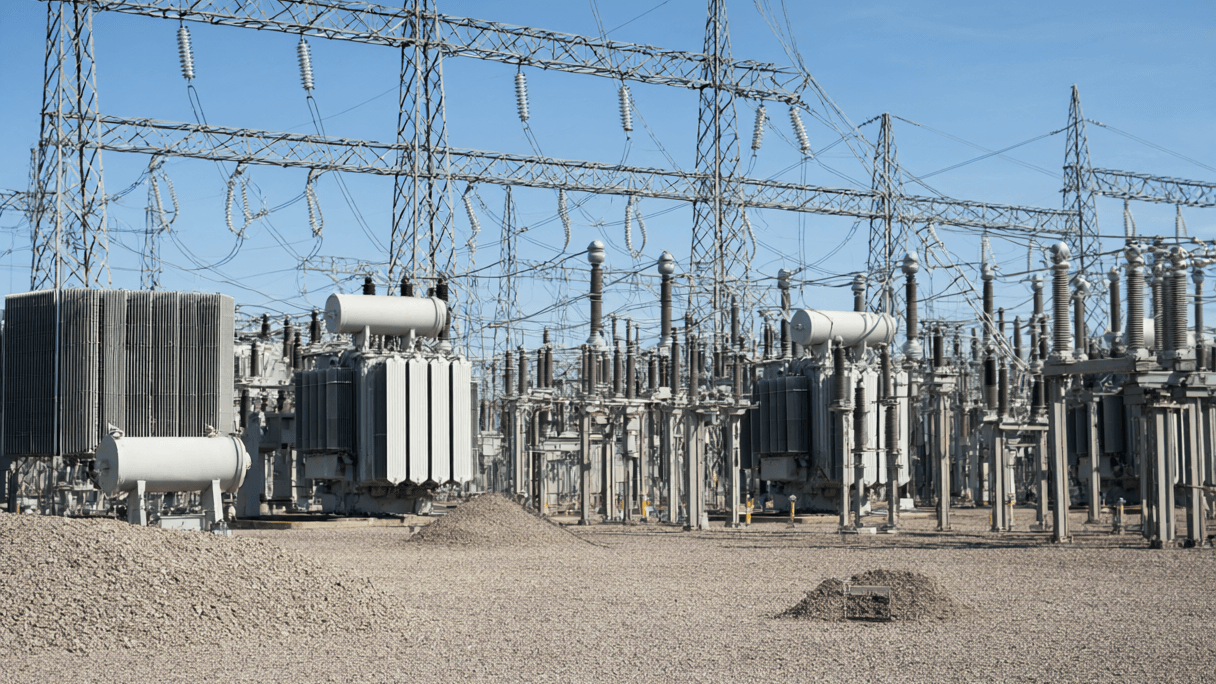
AI-generated image · Bay Street Wire
While the IEA argues that cost, security, and climate goals are aligning, researchers warn that infrastructure costs and political interests remain significant barriers.
The International Energy Agency (IEA) is advocating for a global target to reach 35% electrification of final energy by 2035, a goal discussed by climate policymakers in Bonn, Germany, according to reporting from Ars Technica.
Fatih Birol, head of the IEA, suggests the "energy trilemma"—the balance between energy security, economic cost, and environmental impact—is finally aligning. Birol noted that the Iran war has increased fuel prices and heightened security concerns, making electrification more attractive. IEA data from 2025 supports this, showing that electric vehicles can travel nearly three times as far as internal-combustion engines per $100 of fuel, and heat pumps provide 40% more heating days than gas boilers for the same cost.
However, energy-systems researchers cautioned that these targets ignore brutal deployment realities. David Victor, a professor at the University of California, San Diego, noted that trade barriers and the difficulty of electrifying aircraft, maritime transport, and heavy trucks create inescapable trade-offs.
Financial and political obstacles also persist. Kenneth Medlock III of Rice University’s Baker Institute for Public Policy highlighted the high upfront costs of building new systems, such as wind and solar. Meanwhile, Emily Grubert of the University of Notre Dame argued that decision-makers often prioritize the profits of fossil fuel industries over the transition. Additionally, Chuks Okereke of the University of Bristol noted that in countries like Nigeria, polluting development often makes more short-term economic sense due to infrastructure costs, requiring assistance from wealthy nations to make the transition viable.