
Electrification Goals Face Infrastructure and Political Hurdles

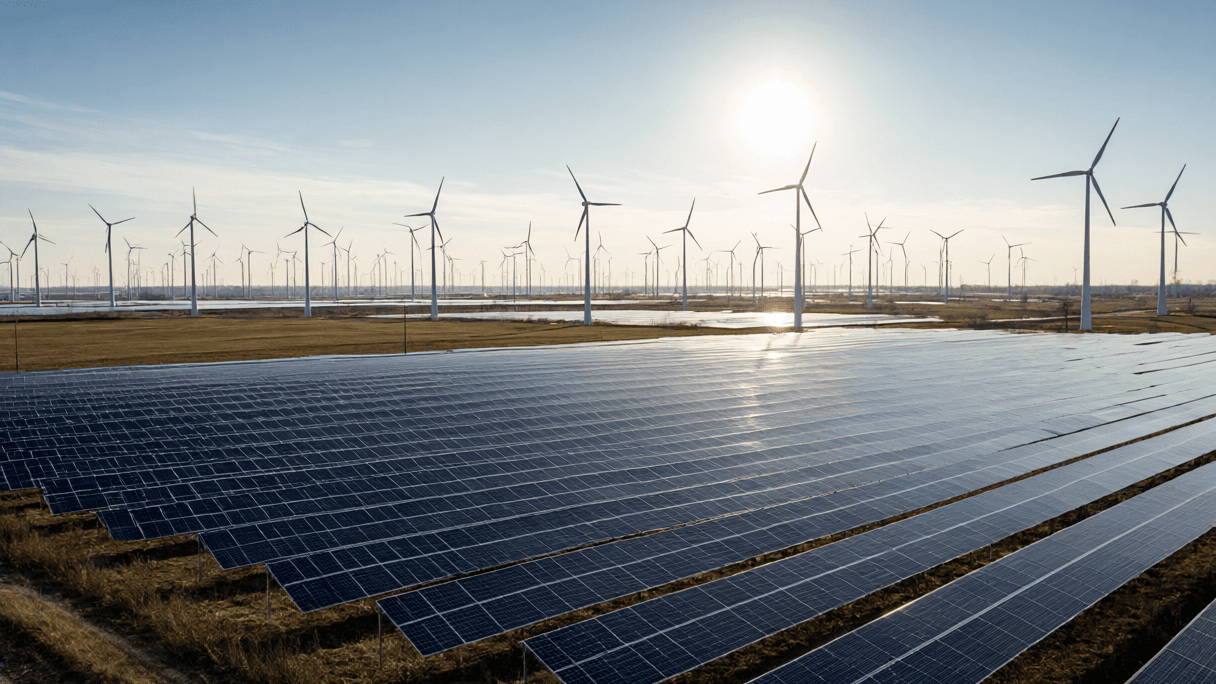
AI-generated image · Bay Street Wire
While the IEA highlights aligning costs and security, researchers warn that high upfront costs and trade barriers could stall the transition.
As first reported by Ars Technica, the International Energy Agency (IEA) is pushing for a global target of 35% electrification of final energy by 2035, a goal discussed by climate policymakers in Bonn, Germany. Fatih Birol, head of the IEA, argues that the "energy trilemma"—the balance of cost, security, and environmental impact—is finally aligning, partly due to fuel price spikes caused by the Iran war.
According to the reporting, IEA data from 2025 shows electricity offers significant cost advantages over fossil fuels. For example, $100 of electricity can power an electric vehicle for 2,310 miles, compared to 862 miles for a gasoline vehicle. Similarly, heat pumps provide a 40% efficiency edge over gas boilers for home heating. These trends are reflected in global usage, which rose from 16.7% of final energy in 2000 to 23.4% in 2025.
However, energy-systems researchers caution that policy goals do not guarantee deployment. David Victor, a professor at the University of California, San Diego, notes that trade barriers and the difficulty of electrifying aircraft, maritime transport, and heavy trucks remain significant obstacles. Kenneth Medlock III of Rice University’s Baker Institute for Public Policy adds that electrification arguments often overlook the high upfront costs of building new systems, such as wind and solar infrastructure.
Political and economic frictions also persist. Emily Grubert of the University of Notre Dame suggests that decision-makers may prioritize fossil fuel profits over the transition. Additionally, Chuks Okereke of the University of Bristol notes that in countries like Nigeria, polluting development can make more short-term economic sense due to infrastructure costs, meaning the transition requires assistance from international organizations and wealthy nations.