
Opinion: The Paperwork Premium: When a Dilapidated Shell Costs $5.5 Million

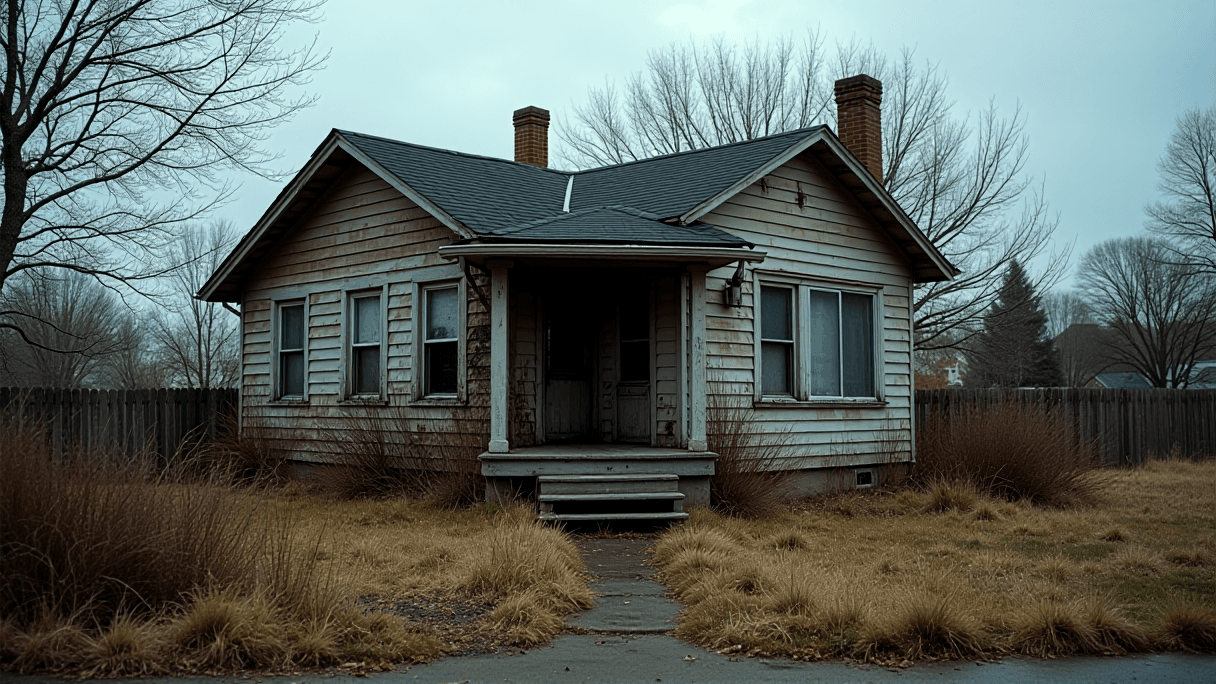
AI-generated image · Bay Street Wire
A Forest Hill South listing reveals a staggering reality: in Toronto, the 'value' of a home is increasingly detached from the structure and tied to bureaucratic approvals.
In a healthy housing market, a home's value is typically derived from its condition, its utility, and its location. But in Toronto, we have entered a surreal era where the most valuable asset in a real estate transaction isn't the hardwood or the crown molding—it is the permit.
Take the case of 205 Heath St. W. in Forest Hill South. As BlogTO first reported, this century-old residence is currently on the market with an asking price of $5,490,000. To be clear, this is not a turnkey luxury estate. The property is a run-down home that has sat vacant since 2020.
The price tag is a symptom of a systemic failure that treats dilapidated shells as luxury assets. The current owners purchased the property in 2020 for $3,995,000, at which time the listing described the 1914 home as being sold "as is, where is." Since then, the property has seen a volatile pricing history. BlogTO reports that in early 2025, the owners initially valued the home at $6,588,000 before hiking the price to $7,588,000. While the current $5.49 million ask is a significant drop, it still represents a massive premium over the 2020 purchase price for a house that remains in a state of disrepair.
Why the inflation? Because the buyer isn't just paying for a 72-by-152-foot south-facing lot; they are paying for the avoidance of the City of Toronto's bureaucracy. The listing includes architectural drawings by Richard Wengle, along with paid permits and municipal approvals. This "shovel-ready" project includes plans for an above-grade residence of approximately 8,000 square feet, plus roughly 4,200 square feet of finished lower-level space and a pool cabana, totaling over 12,000 square feet of living area.
BlogTO notes that the sale includes hydro and water service approvals, tree permits, and surveys—the kind of "soul-crushing paperwork" that can take months or years to secure. Essentially, the sellers are attempting to monetize the frustration of the city's approval process.
From a pocketbook perspective, this is a precarious gamble. The $5.49 million price tag does not include the actual cost of construction. The buyer is paying a premium for the *right* to build, not the building itself. While BlogTO points out that Forest Hill property values have risen roughly 13 percent over the last year—with detached homes selling for as much as $13.5 million—this trend underscores a distorted market.
When a "fixer-upper" is valued in the millions based primarily on a stack of government approvals, we are no longer talking about residential real estate. We are talking about a market where the barrier to entry is so high, and the bureaucracy so stifling, that the ability to bypass the red tape has become a luxury commodity in its own right.