
Ontario's Rental Rule Tweaks Are a War on Tenants

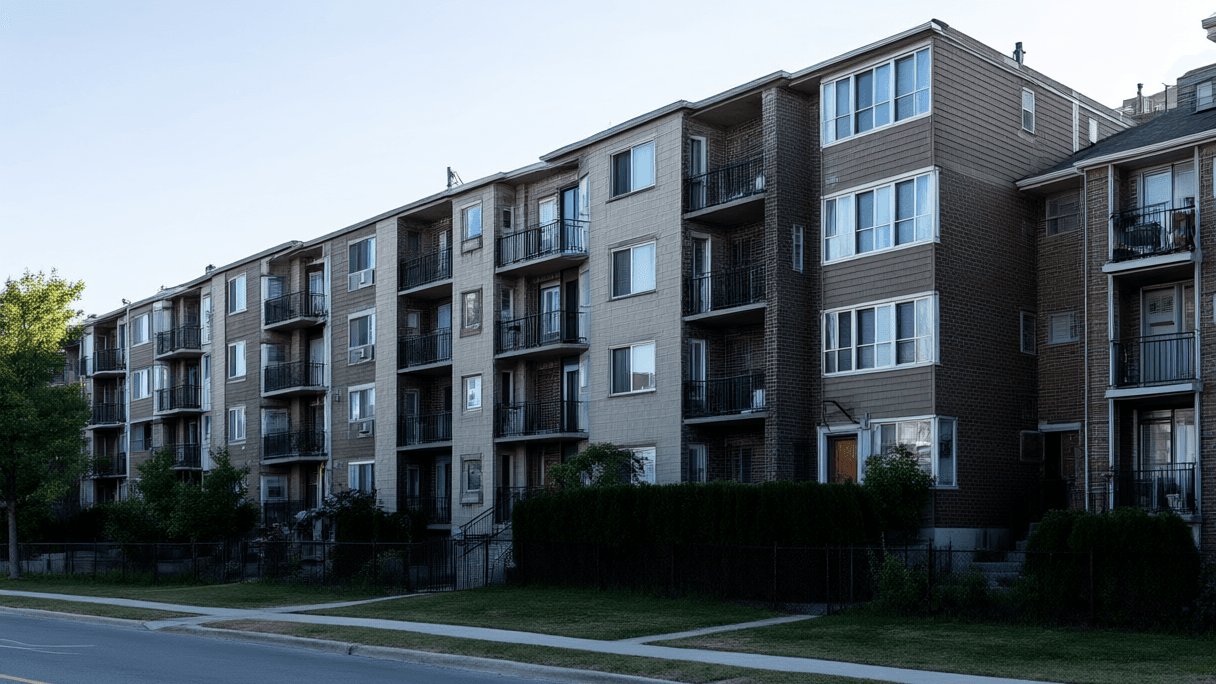
AI-generated image · Bay Street Wire
Opinion: New amendments to the Residential Tenancies Act do little to fix system backlogs while stripping away critical protections for renters.
The Ontario government claims its latest updates to the Residential Tenancies Act (RTA) are about restoring balance and rebuilding confidence in the rental market. But for those of us watching the pocketbooks of everyday renters, these changes look less like a balancing act and more like a targeted squeeze on people already drowning in a broken housing market.
Coming into force on Monday, Sept. 21, the amendments resulting from Bill 60 and Bill 97 introduce a series of hurdles that make it easier to push tenants out the door and harder for them to defend their homes, as first reported by CBC News.
Take the N4 eviction notice for late rent. Previously, tenants had 14 days to pay back what they owed. Now, that window has been slashed to just seven days. In a cost-of-living crisis, cutting a grace period in half doesn't solve a financial shortfall; it just accelerates the path to homelessness.
Even more egregious is the new requirement for tenants to pay half of their allegedly owed rent before they can raise issues—such as unit maintenance problems—at a Landlord and Tenant Board (LTB) eviction hearing. As Dania Majid, director of duty counsel for the Advocacy Centre for Tenants Ontario, told CBC News, this forces tenants to file separate applications for issues that could have been handled in a single hearing. To make matters worse, the Ministry of Housing has not responded to CBC News inquiries regarding how tenants can recover that money if it is later determined they didn't actually owe it.
Then there is the erosion of security regarding personal use evictions. Landlords who provide 120 days' notice to evict a tenant for their own or their family's use are no longer required to offer an alternative unit or provide compensation. While the law now presumes an eviction is in bad faith if the new occupant doesn't move in within 60 days, the loss of guaranteed compensation is a heavy blow to displaced renters.
Government officials argue these tweaks address LTB backlogs. But if you listen to the experts, that's a fantasy. Kayla Andrade, founder of Ontario Landlords Watch, told CBC News that shortening the payment deadline simply allows landlords to file paperwork sooner, not necessarily get a hearing faster. Majid warned CBC News that these changes will likely trigger more hearings and create further backlogs, including at the divisional court due to shortened review request windows.
When the Federation of Metro Tenants' Associations calls these efficiency claims a "smokescreen" for eroding rights, they hit the nail on the head. The government isn't fixing the LTB's systemic delays; it is simply making the process of eviction more aggressive. For the renters of Ontario, these aren't "updates"—they are threats.