
Mississauga Mayoral Candidates Detail Housing and Affordability Plans

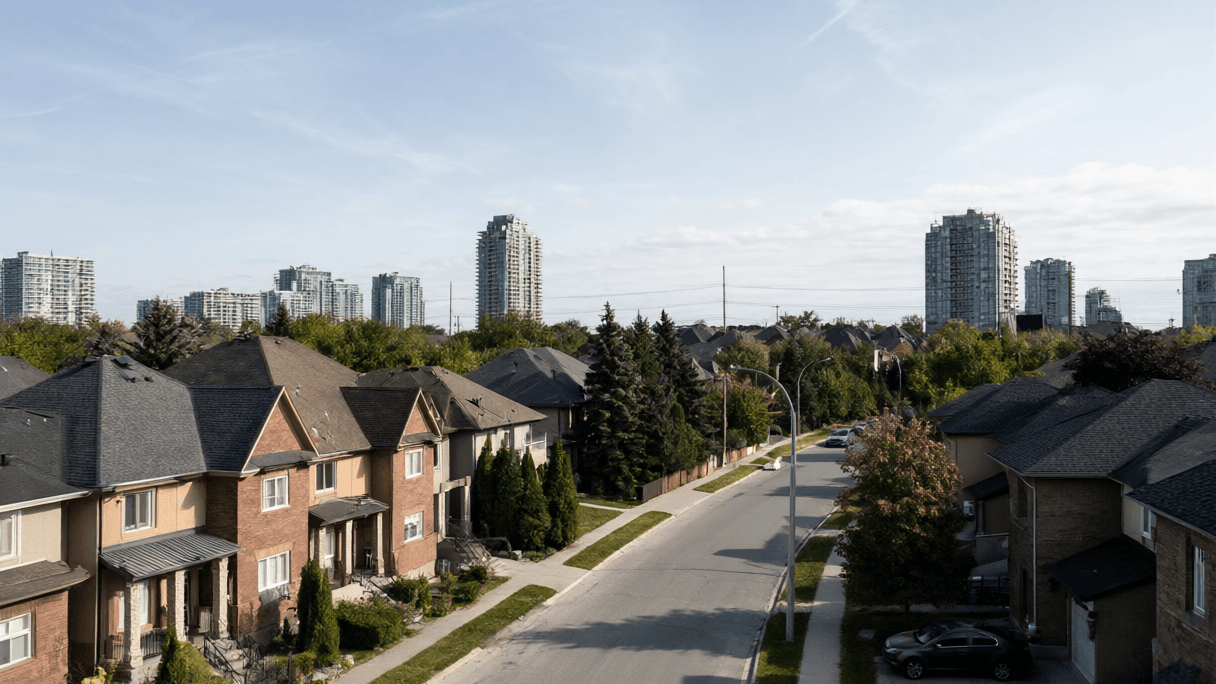
AI-generated image · Bay Street Wire
As the October 26 election approaches, candidates propose varying strategies to address housing shortages and cost-of-living pressures.
With Mississauga voters preparing for the October 26 election, four leading mayoral candidates have outlined competing platforms to address housing and affordability, according to CBC Toronto.
To tackle housing shortages, Alvin Tedjo proposes the creation of a city-owned Mississauga Housing Corporation to build affordable housing on underused land through partnerships with non-profits and developers. Tedjo also aims to triple "missing middle-family housing" by 2037, expand sixplex incentives, and replace lodging-house licensing with a safety-based inspection registry.
Dipika Damerla advocates for concentrating high-density housing along transit corridors rather than implementing blanket fourplex zoning in single-detached neighborhoods. She also pledges to simplify permits for duplex conversions and garden suites.
Incumbent Carolyn Parrish supports continuing incentives for purpose-built rental housing and advancing the city centre redevelopment project to create new downtown housing. In contrast, Bonnie Crombie proposes scrapping the $2.5-billion city centre redevelopment and eliminating development charges on new housing, provided federal and provincial governments cover the lost revenue.
On affordability, the candidates offer different tax strategies. Tedjo has pledged to freeze city-controlled property taxes for two years; meanwhile, Damerla suggests capping future increases at the rate of inflation and freezing the city-controlled portion of residential property taxes in 2027. Parrish aims to keep property tax increases near inflation by transferring waste collection and regional road maintenance to the city, which she estimates will save $45 million annually by 2028. Crombie proposes raising property tax rebates for eligible low-income seniors to $1,000 and keeping tax increases at or below the inflation rate.