
Meta's Green Retreat is the First Honest Moment of the AI Era

AI-generated image · Bay Street Wire
Opinion: By admitting its 2030 net-zero goal is now a fantasy, Meta is finally exposing the fundamental conflict between the AI gold rush and corporate ESG promises.
For years, Big Tech has operated under a convenient delusion: that they could build the future of intelligence without compromising the planet. We were sold a narrative of seamless sustainability, where hyperscale growth and net-zero targets lived in harmony. But the bubble has finally burst, and Meta is the first company with the courage—or the desperation—to admit it.
In a November 19, 2026, sustainability report, Meta announced it is "re-evaluating" its 2030 net-zero emissions goal. As Ars Technica first reported, the company is rethinking its timelines and interim milestones because the "operating environment" has shifted. Specifically, Rachel Peterson, vice president of data centers, and Blair Swedeen, global head of net zero and sustainability, noted that the demand for AI infrastructure grew faster than almost anyone projected.
Let's be clear: this isn't a minor accounting adjustment. It is a surrender. Meta's total emissions surged from 15.6 million metric tonnes of carbon dioxide equivalent in 2024 to over 21.7 million metric tonnes by 2025. That is a nearly 40 percent increase—the highest percentage year-over-year jump among the four major US tech giants. For context, Microsoft reported a 25 percent increase, Google an 18 percent increase, and Amazon a 16 percent increase during the same period.
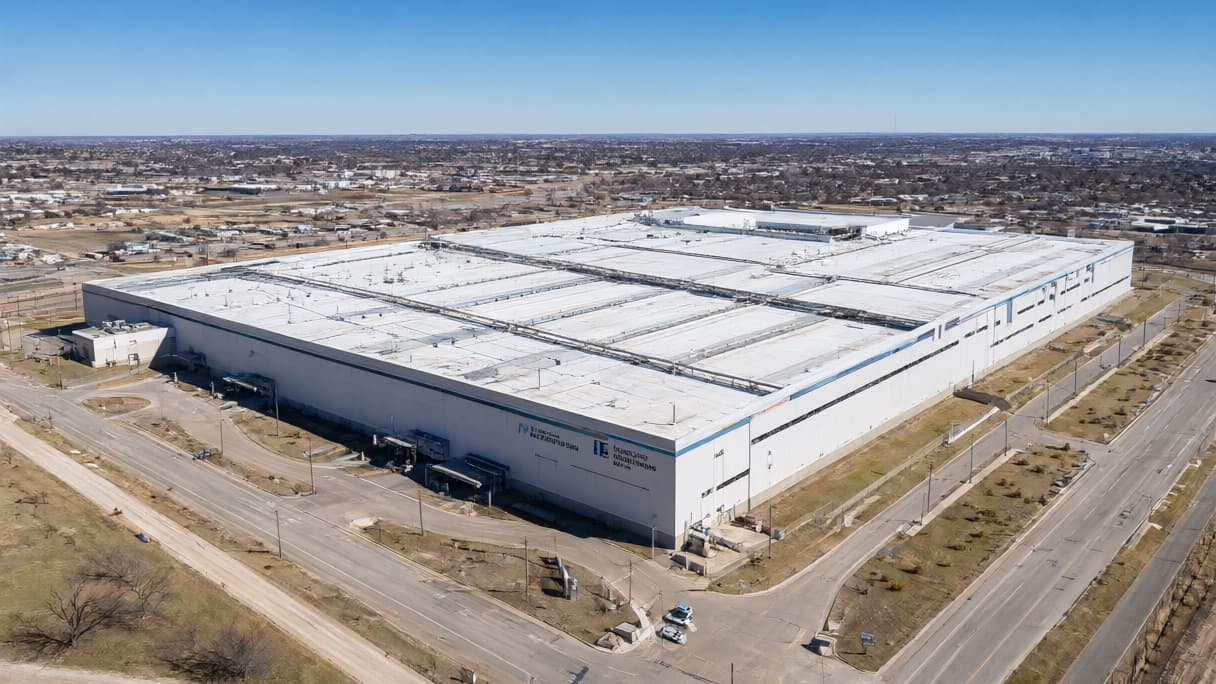
Meta's current carbon footprint is now comparable to the total emissions of the state of Idaho, surpassing states like New Hampshire, Maine, South Dakota, and Hawaii. This surge is driven by the relentless hunger of AI data centers—including projects like the $10 billion Meta El Paso Data Center in Texas—and the "capital goods" like servers required to run them.
While Amazon, Google, and Microsoft are still clinging to their original sustainability goals, Meta's admission reveals the truth that the others are simply too timid to voice: AI is fundamentally incompatible with the ESG fantasies sold to shareholders. You cannot build a global AI hegemony while adhering to strict carbon budgets, especially when these data centers frequently rely on burning natural gas for electricity.
Even Meta's attempts to mitigate the damage are failing to keep pace. Despite investing in carbon removal and renewable energy, the company's net emissions still climbed from over 8.1 million metric tonnes to more than 11.8 million metric tonnes in 2025—a 45 percent increase.
Then there is the water. While Meta reported a slight dip in direct facility consumption (from 825 million gallons in 2024 to 790 million gallons in 2025), the reality is hidden in the margins. Water consumption in "areas with water stress" rose from 198 million gallons to 246 million gallons. More damning is the water used for purchased electricity, which skyrocketed from 19 billion gallons in 2024 to over 26 billion gallons in 2025.
As Data Center Dynamics noted, Meta is the only hyperscaler reporting this indirect water use. This transparency is a silver lining, but it only serves to highlight the scale of the environmental cost.
Meta's "re-evaluation" is the first honest admission of the AI age. The company has realized that it cannot "move fast and build awesome things" while remaining tethered to a 2030 climate deadline. The AI gold rush requires power and water on a scale that renders previous sustainability pledges irrelevant. Now that Meta has broken the seal, the rest of Big Tech's ESG commitments should be viewed for what they are: marketing materials, not operational realities.