
AI Power Hunger Derails Global Climate Pact

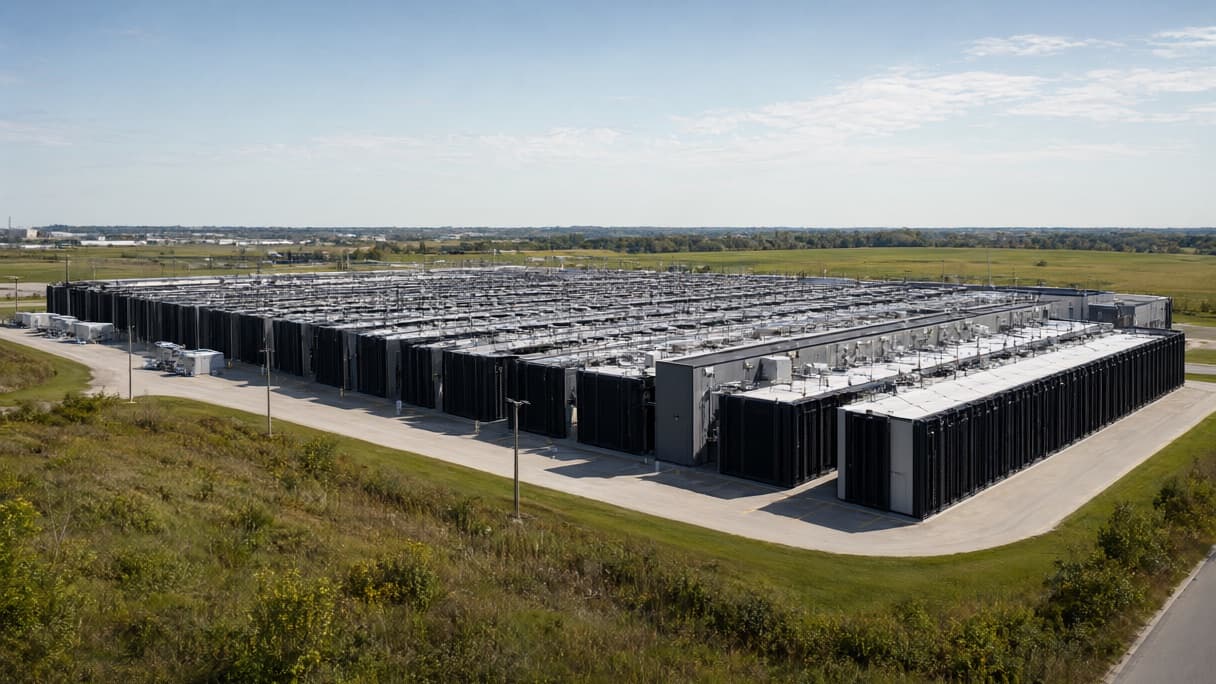
AI-generated image · Bay Street Wire
The surge in data center electricity demand contributed to the collapse of COP31 negotiations as tech giants abandon net-zero targets.
The United Nations climate conference, COP31, ended in chaos in Antalya, Turkey, as delegates failed to pass a central pact intended to raise electricity's share of global energy consumption to 35 percent by 2035, as first reported by The Verge. The negotiations, presided over by Australia’s minister for climate change and energy Chris Bowen, collapsed after the EU, UK, and vulnerable nations rejected a deal they deemed too weak. The U.S. was absent from the summit after the Trump administration exited the Paris accord.
A primary friction point was the skyrocketing electricity demand driven by the AI boom. The International Energy Agency forecasts that data center power consumption will double by 2030. This surge is undermining the climate goals of major tech firms; Meta recently reported a 45 percent year-over-year increase in climate pollution and is re-evaluating its net-zero timeline. The Verge reports that carbon footprints for Microsoft and Google are also growing.
The physical reality of this compute demand threatens to reverse energy transitions. A Sierra Club analysis indicates U.S. power sector emissions could rise 42 percent by 2030 as fossil fuel infrastructure is expanded to support data centers. Furthermore, Harvard researchers found that U.S. hyperscale data centers already generate more pollution than the nation of Denmark. Bruce Douglas, CEO of the Global Renewables Alliance, told The Verge that rising power demand is currently unsustainable and warns that the AI boom must not trigger a fossil fuel boom.