
Manitoba's Crypto Tax: Innovation as a Public Utility Subsidy

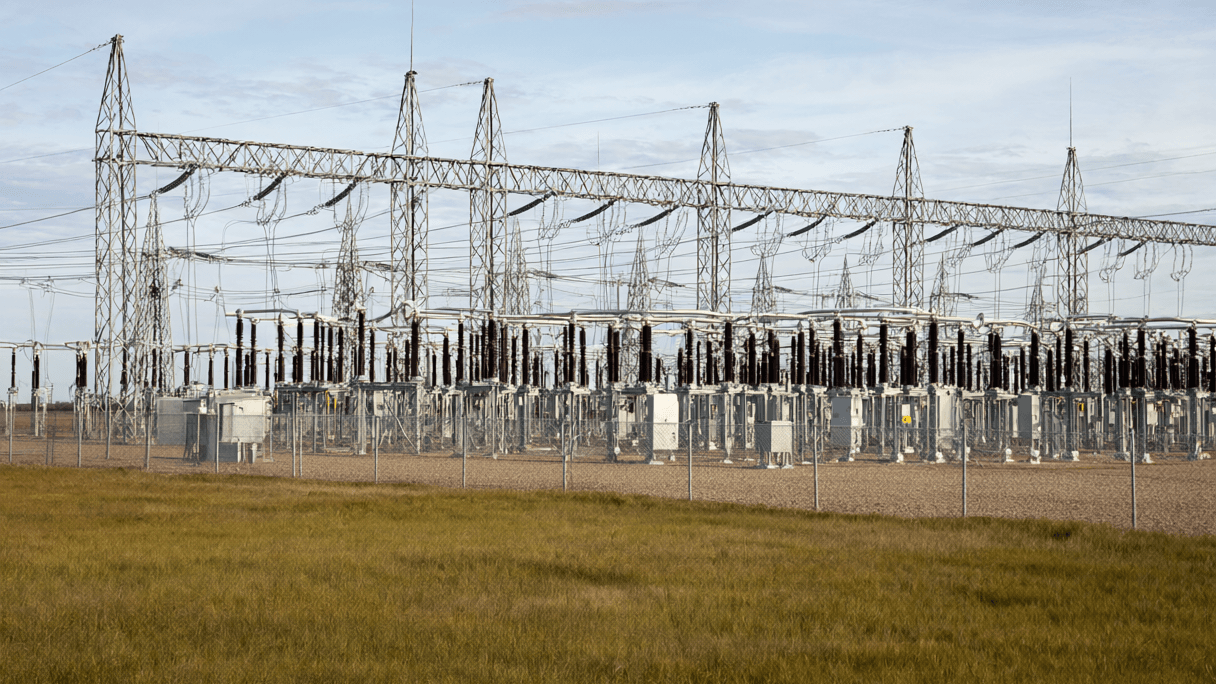
AI-generated image · Bay Street Wire
The province is leveraging a steep levy on miners to shave $50 off residential hydro bills, proving that 'welcome' is a relative term when the taxman arrives.
In the crypto world, we are used to the rug pull. But in Manitoba, the rug is being pulled by the provincial government in the name of residential affordability.
As BetaKit first reported, Finance Minister Adrien Sala announced last Thursday that revenue generated from a levy on AI data centres and cryptocurrency mining will be used to lower Manitoba Hydro rates for residential customers. The plan is straightforward: use the industry's appetite for power to pad the pockets of the public. Sala stated that the government expects the levy to generate up to $20 million, which would offset residential rates by approximately $50 per year.
**Ivan's Take: This isn't a partnership; it's a piggy bank.**
Let's look at the mechanism. As BetaKit reports, the law passed last summer requires Manitoba Hydro to establish specific customer classes for large electricity consumers, including crypto and data centres. For those exceeding a 5-megawatt threshold, the utility effectively doubles the standard electricity rates. It is a 100 percent markup designed to extract maximum value from high-energy operations.
While the legislation targets both AI and crypto, the reality on the ground is skewed. BetaKit notes that Manitoba currently lacks data centres large enough to trigger the tax, with the sole exception of a proposed 5.5-megawatt project near Rosser, Man. This means the burden of funding these residential discounts falls almost entirely on the shoulders of the cryptocurrency industry.
This is the classic cycle of 'innovation' in the eyes of the state. First, the industry is tolerated—or even encouraged—until the government realizes the sheer volume of energy these operations consume can be monetized. Now, the province is leveraging that consumption to solve cost-of-living issues. Sala framed the move as a matter of fairness, stating that large operations "should contribute fairly to the system we all rely on."
However, the industry isn't taking this lying down. BetaKit reports that cryptocurrency operators argued earlier this year that this legislation would effectively shut down the crypto sector within Manitoba.
While other prairie provinces are actively courting the AI and data centre boom, Manitoba has chosen a different path. BetaKit describes the province as an outlier, proactively disincentivizing large-scale projects through steep fees and restrictive regulations in favor of investing in renewable energy and public infrastructure.
Manitoba Hydro is expected to begin lowering residential bills early next year. For the miners left in the province, the cost of doing business just became a social service. For the rest of us, it's a reminder that in the eyes of the regulator, a crypto miner is only as valuable as the tax revenue they can generate for the masses.