
Judicial Shield: Alberta Court of Appeal Blocks Business Class Action Over Pandemic Restrictions

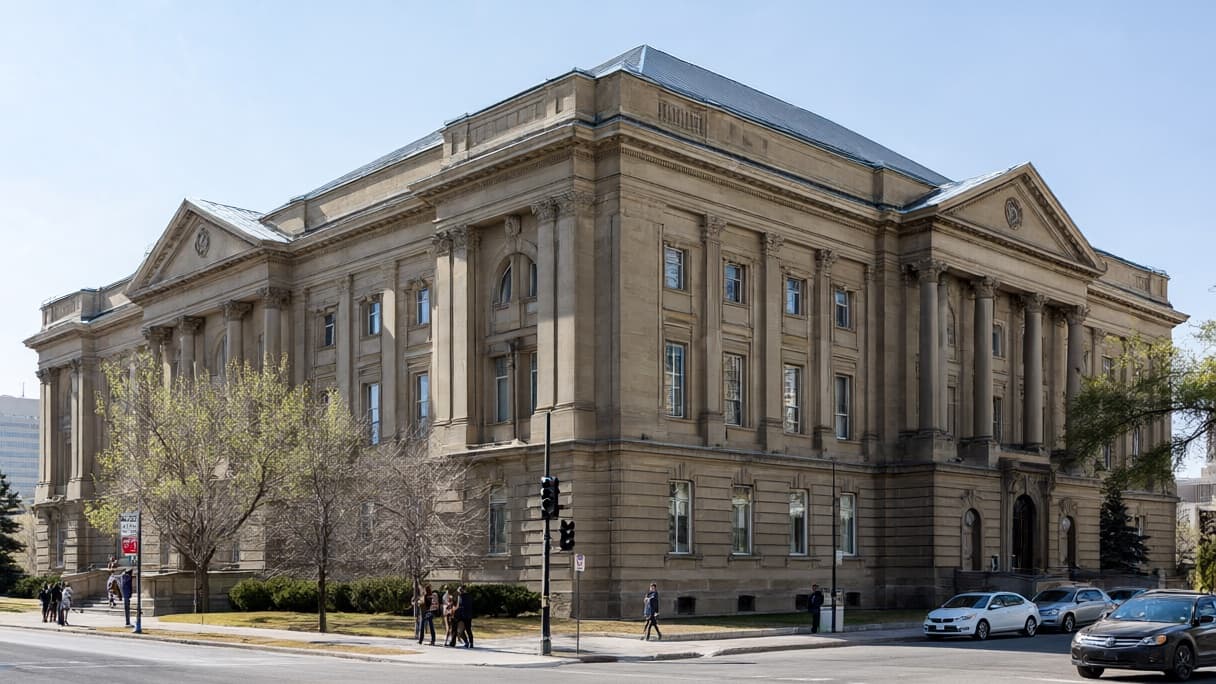
AI-generated image · Bay Street Wire
By ruling that procedural defects in the issuance of health orders do not equate to actionable negligence, Alberta's top court has effectively insulated the government from liability for pandemic-era losses.
As CBC News first reported, the Alberta Court of Appeal has overturned the certification of a class-action lawsuit brought by business owners seeking compensation for pandemic-related losses.
The lawsuit, filed by lawyer Jeffrey Rath on behalf of representative plaintiffs Rebecca Ingram (a gym owner) and Christopher Scott (owner of the Whistle Stop Cafe), followed a 2023 ruling by Justice Barbara Romaine. Justice Romaine had found that Alberta’s health orders were issued outside the legal scope of the Public Health Act, noting that while the Chief Medical Officer of Health (CMOH) is the statutory authority for such orders, the actual decision-making power rested with cabinet and committees.
On Friday, a three-judge panel of the Court of Appeal ruled that the class action was "bound to fail," overturning a 2024 certification granted by Justice Colin Feasby. The panel determined that the alleged negligence pertained only to the procedure used to issue the orders, not their substance. The court wrote that if the identical orders had been issued by the CMOH rather than cabinet, "there would be no negligent act and no claim."
The court further ruled that the plaintiffs failed to disclose causation, asserting that the "alleged procedural defect" did not cause the injury suffered by the business owners.
The decision has direct implications for plaintiffs like Christopher Scott, who faced charges for keeping the Whistle Stop Cafe in Mirror, Alberta, open during January 2021 in defiance of in-person dining bans. While Justice Romaine's initial ruling led to the staying of those charges, the Court of Appeal's decision ensures that no financial compensation will be awarded for pandemic losses.
***
**Sato's Take: Opinion** *The Alberta Court of Appeal has created a dangerous precedent. By decoupling the legality of a government action from its consequences, the court is suggesting that the state can ignore its own statutory mandates—effectively ruling outside the law—so long as the resulting policy would have been the same. If the government can bypass the Public Health Act without facing liability, the Act becomes a suggestion rather than a law. This decision does not protect the public; it protects the bureaucracy from accountability, signaling that procedural law is a mere formality that can be discarded during an emergency without recourse for those harmed.*