
Hardware Perfection vs. Category Fatigue: The Apple HomeView Dilemma

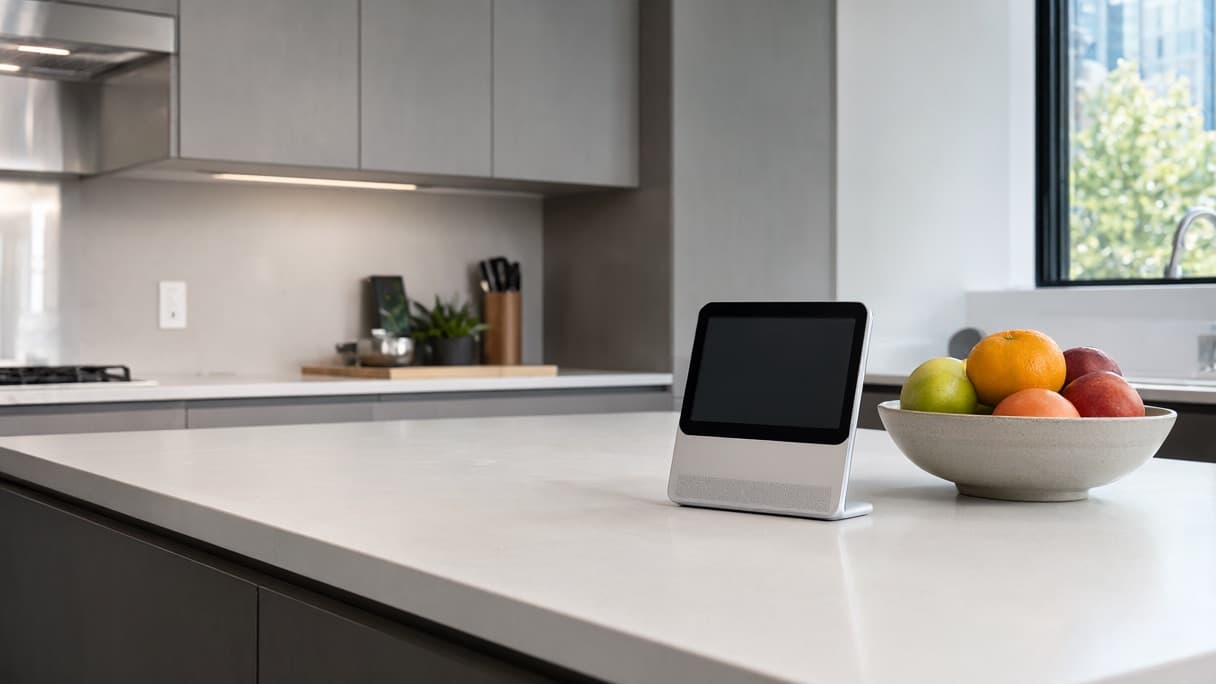
AI-generated image · Bay Street Wire
Apple's first smart display is a masterclass in industrial design and speed, but friction with personal data may hinder its adoption.
Apple has finally entered the smart display arena with the HomeView, a device that arrives nearly a decade after Amazon and Google established the category. As first reported by The Verge, the device is a triumph on a hardware level. The HomeView features a 7-inch square LCD screen with a 1088-by-1088 resolution that is described as gorgeous, bright, and responsive. The aluminum body is solid, and the device is surprisingly small, making it a viable companion for kitchen counters or bedside tables.
From a functional standpoint, the HomeView excels as a smart home hub. The Verge notes that the device is speedy in its smart home control and serves as an excellent hands-free tool for guided cooking. It also integrates a Center Stage camera for FaceTime calls and delivers sound quality that is comparable to a HomePod Mini 2, though with slightly more bass. At $299, it stands as Apple's most affordable screened device, trailing only the Apple Watch SE.
However, the HomeView's ambition to be more than just a hub is where the experience falters. Apple has positioned the device as both a communal hub and an extension of the iPhone, granting access to reminders, calendars, and text messages when a phone is on the same Wi-Fi network. This intersection of shared and private data creates significant friction. The Verge reports that clunky authentication checks often interrupt the hands-free experience, frequently redirecting the user back to their iPhone.
More concerning is the privacy implication of this "family iPhone" approach. The Verge highlights a specific tension regarding personal data, noting that a parent could easily read a teenager's text messages on the large screen. This lack of seamless privacy boundaries led one reviewer's daughter to conclude she would simply stick to her iPhone.
Despite these hurdles, the HomeView introduces Siri AI to the Apple smart speaker lineup. While The Verge notes that the AI can still be slow at times, it represents a step forward for the ecosystem. The device also offers a variety of customizable "Faces" similar to those found on the Apple Watch, further leaning into the aesthetic polish Apple is known for.
Ultimately, the HomeView is a high-performance piece of hardware that elevates the smart display category in nearly every technical way. But as the friction of personal data management persists, the question remains whether a gorgeous screen and fast response times are enough to convince users to move their digital lives from their pockets to their kitchen counters.