
The Cybercab's Hidden Cost: A Luxury Beta Test in Fine Print

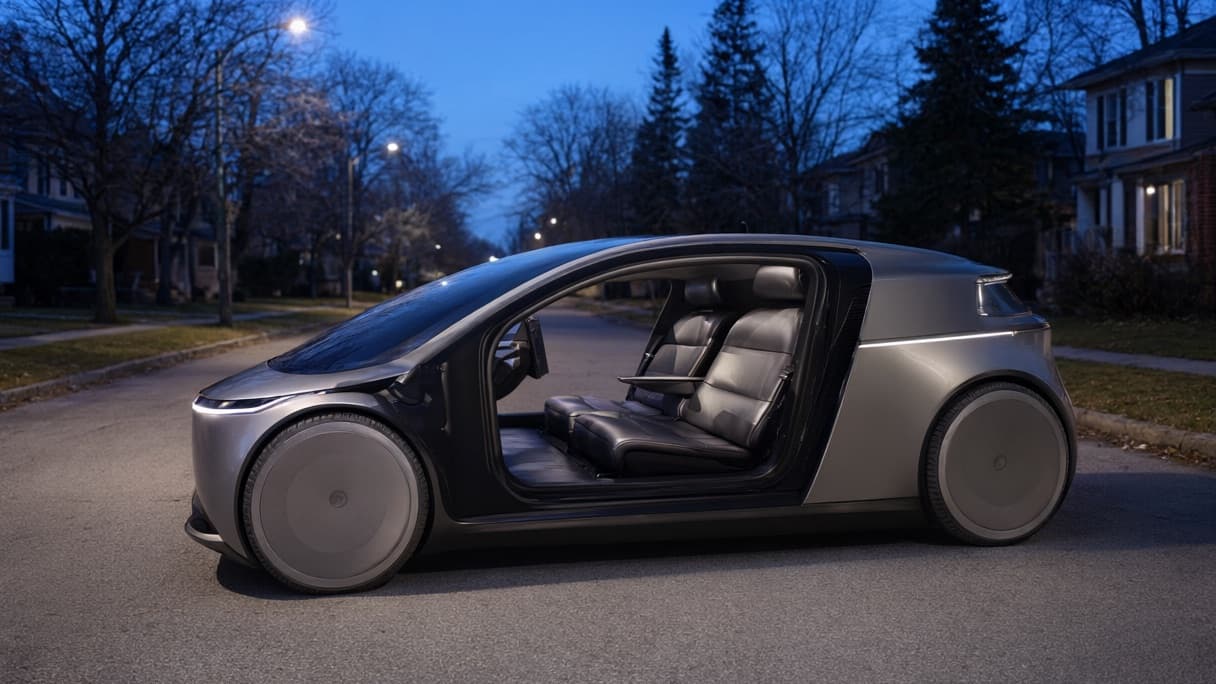
AI-generated image · Bay Street Wire
Tesla is pitching a $29,990 autonomous dream, but the mandatory subscriptions and restrictive terms turn the Cybercab into a high-stakes experiment for early adopters.
On the surface, Tesla CEO Elon Musk is selling a revolution. The Cybercab arrives with a seductive $29,990 sticker price, promising a steering-wheel-free future that feels like a leap into science fiction. But as first reported by The Verge, the most important details aren't in the keynote presentation—they are buried in the fine print.
According to reporting from The Verge, the actual cost of ownership is far steeper than the initial marketing suggests. While the sticker price is low, Tesla has implemented a mandatory "Autonomy Subscription" costing $299 per month. For a buyer looking at a standard five-year ownership window, this subscription adds $17,940 to the total cost, pushing the baseline price to approximately $47,600 before taxes, insurance, and charging. In a bit of irony, Elon Musk later admitted on X that the $299 fee is "too high," suggesting it should be closer to $115 or the $99 monthly fee Tesla charges for its Full Self-Driving (FSD) feature.
But the financial hit is only part of the risk. The Cybercab represents a fundamental shift in the relationship between driver and machine: there is no manual fallback. The Verge reports that if a user cancels their subscription or if Tesla suspends access, the vehicle becomes completely unusable on public roads. In short, the car becomes a brick.
Furthermore, the "dream" of passive income—a central pillar of Musk's 2024 "We, Robot" pitch—is currently a mirage. While Musk suggested owners could earn money by adding their cars to the Robotaxi network, current order terms explicitly prohibit commercial use. This means no Uber, no DoorDash, and no participation in Tesla's own network to offset that monthly subscription. Tesla AI chief Ashok Elluswamy has suggested Q2 2027 as a potential target for allowing customer vehicles into the network, meaning early buyers are paying full price for a car they cannot monetize.
Availability is equally restrictive. The Verge notes that the Cybercab is only available to "select customers" in supported service areas where Tesla already operates its Robotaxi service. For context, Tesla began offering rides in Austin in September, and the Robotaxi Tracker indicates there are currently 278 Cybercabs in operation, making up about 40 percent of the fleet.
Then there is the regulatory gamble. Musk has frequently cited "regulatory approval" as the primary bottleneck for his timelines. This is a critical point because, as The Verge points out, the vehicle does not comply with current Federal Motor Vehicle Safety Standards, which require traditional controls like pedals and steering wheels.
For the few who put down the $1,000 non-refundable deposit for a non-guaranteed December delivery window, the Cybercab isn't just a car—it's a subscription to a beta test. You aren't just buying a vehicle; you're paying for the privilege of being a test case in a regulatory and technological experiment.