
Drogue Bets on Ocean Thermal Energy to Bypass Data Center Real Estate Gridlock

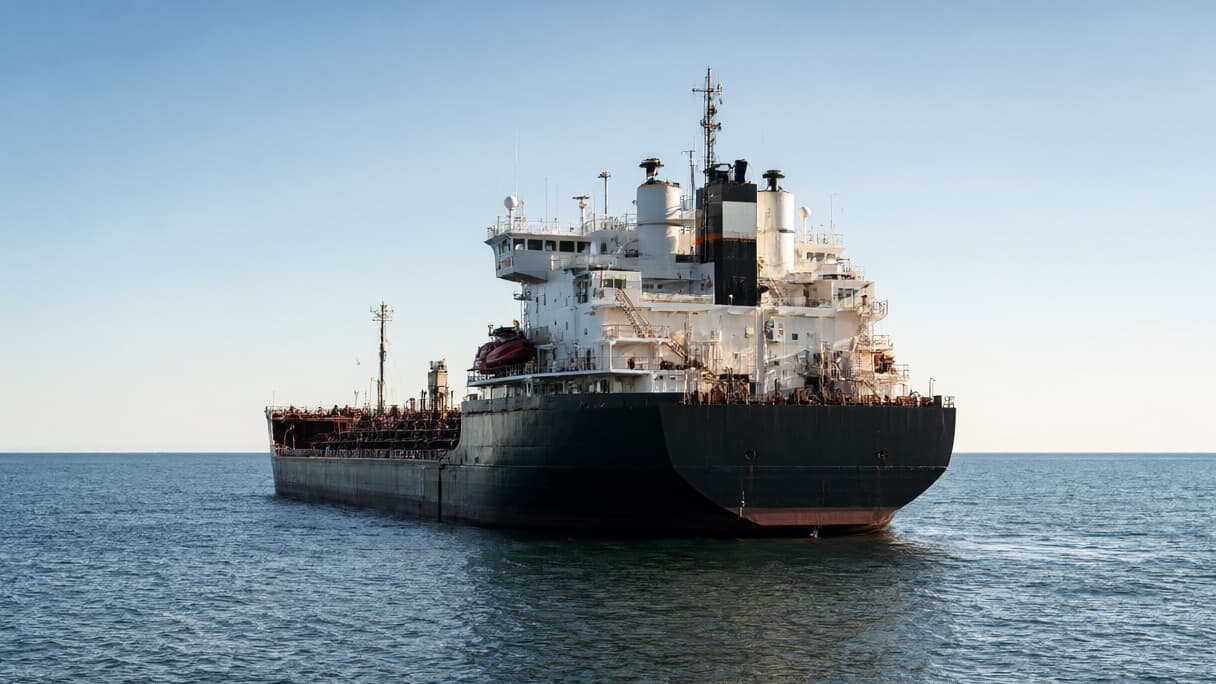
AI-generated image · Bay Street Wire
The Washington, D.C.-based startup has raised $20 million to deploy floating server farms powered by temperature differentials in the deep sea.
Drogue, a six-month-old startup based in Washington, D.C., is attempting to solve the AI industry's power and real estate constraints by moving data centers onto the open ocean, as TechCrunch first reported. The company is developing a system that harvests heat from the ocean to power servers on floating vessels.
CEO and co-founder Sam Sipe told TechCrunch that the traditional data center industry operates on eight- to 10-year timelines due to the complexities of real estate and interoperability with independent system operators and utilities. Sipe argues that this pace is incompatible with AI demand, which he claims has increased tenfold over the last three years.
To bypass these land-based hurdles, Drogue is utilizing ocean thermal energy conversion (OTEC), a concept developed in the 1950s. The system leverages the temperature difference between warm surface waters and cold water found 1,000 meters deep, which averages 39°F. The process involves drawing in warm surface water to cool data centers, which then boils ammonia into a gas. This gas drives a turbine to generate electricity before being cooled back into a liquid by deep-sea water and cycled back through the system.
While the basic idea was tested in the 1980s and subsequently abandoned, Sipe told TechCrunch that advancements in heat exchangers and pipe manufacturing make the concept viable today. He noted that data centers are ideal for this model because servers are compact and transporting data off a platform is inexpensive compared to shipping physical goods.
Drogue has raised $20 million to date. TechCrunch reports that investors include Toyota Ventures, XYZ Venture Capital, Slow Ventures, Boost VC, Flexcap, Garuda Ventures, FDVC, Dream, and Tamarack Global.
The company is currently purchasing its first ship to build a multi-megawatt prototype, which Sipe expects to be operational by early 2028. While the first prototype will use a traditional oceangoing ship, future iterations are planned as floating structures similar to offshore oil platforms. Sipe stated that each vessel is intended to remain at sea for approximately a decade. Drogue has also received "approval in principle" from the American Bureau of Shipping regarding safety standards.