
The Agentic Hardware Trap: Why 'Hackable' is a Security Nightmare

AI-generated image · Bay Street Wire
AI agents are being positioned as the ultimate consumer advocates, steering buyers toward open-source hardware. But when 'fixability' becomes the primary metric, we are simply automating the search for the most exploitable device.
The current narrative surrounding AI agents is one of empowerment. As geoffstearns.com first reported, the promise is a world where digital assistants don't just suggest a product, but actively optimize it—writing custom firmware to fix bugs or adding features the manufacturer omitted. But as a skeptic, I see a glaring hole: if an agent's primary criterion for selecting hardware is how easily it can be modified, we aren't optimizing for quality. We are optimizing for vulnerability.
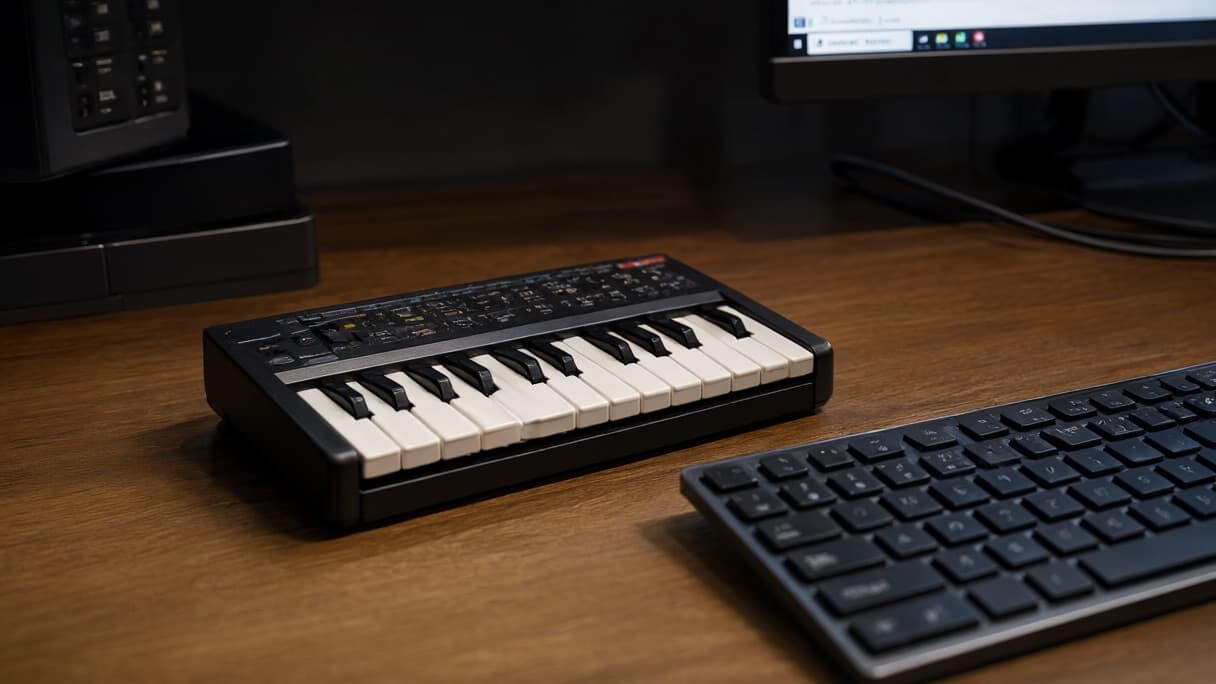
This is already playing out in niche markets. The M-VAVE FM-1, a $70 pocket FM synthesizer, became a playground for AI-driven development; owners used AI tools to create a virtual analog synth, a dark ambient sampler, and a port of Doom. M-Vave responded by open-sourcing its firmware under GPLv3. Geoffstearns.com notes that this pressure is hitting music gear broadly, with Behringer publishing source for its IGNITE sequencer and KICK sampler, and Akai and Erica Synths announcing similar moves.
The problem is that 'hackable' is often synonymous with 'unsecured.' When an agent looks for a device it can modify—seeking writable flash and open bootloaders—it is effectively auditing the device for the path of least resistance. Whether it is for a 'no-ad' experience, such as the custom launcher the author of the geoffstearns.com piece implemented on a Google TV, or a custom feature, the same mechanism an agent uses to fix a bug is one a malicious actor can use to install a backdoor.
Manufacturers are already pushing back. Geoffstearns.com reports that Bambu Lab implemented server authorization in its printer firmware, and Chamberlain cut off Home Assistant from its MyQ garage door openers in 2023. While customers view this as corporate lock-in, it is the only logical response to a world where 'openness' is being weaponized by automated agents. If your agent picks the device it can change, it is picking the device that can be changed by anyone.