
Beyond the Software Hype: Why Hardware-First Power is the Real AI Scale Play

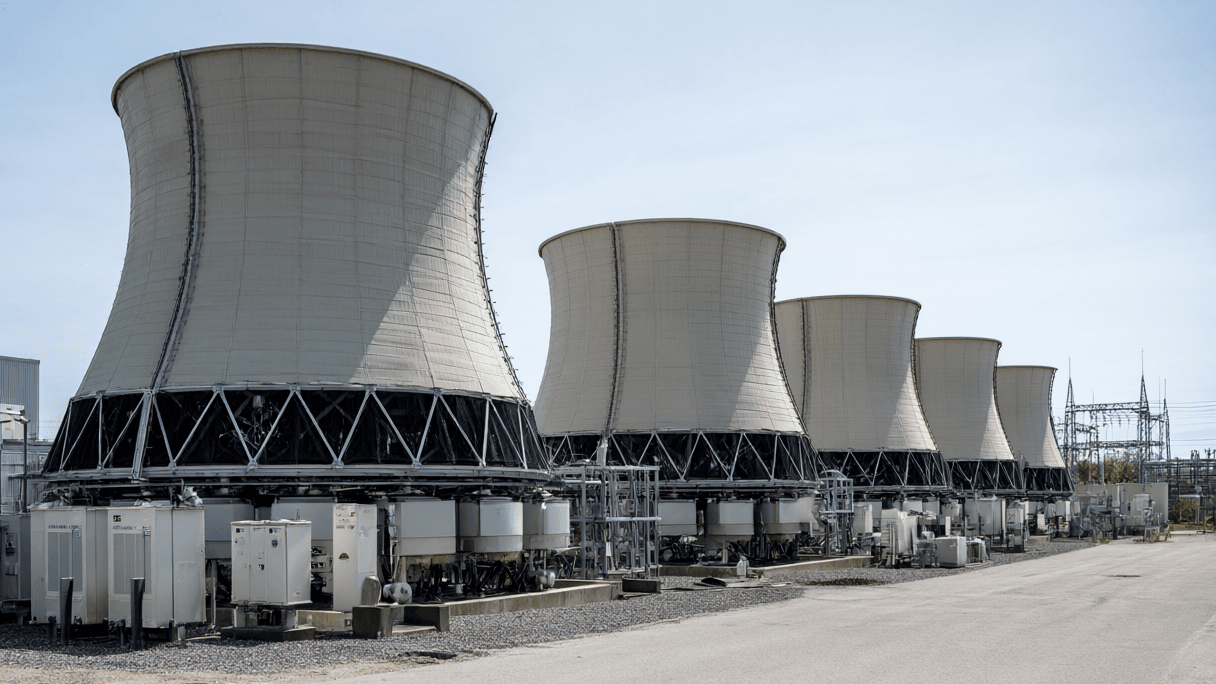
AI-generated image · Bay Street Wire
As AI demand strains the grid, Petra Power's solid oxide fuel cells offer a pragmatic path to scaling data centers by stripping electrons directly from fuel.
### The Infrastructure Bottleneck
In the current AI gold rush, the prevailing narrative focuses on software breakthroughs and model efficiency. However, as a pragmatic observer of clean tech deployment, I believe the industry is overlooking the most critical bottleneck: the grid. As TechCrunch first reported, the physical reality is that AI is consuming energy at an insatiable rate. To actually scale these systems, we cannot rely solely on software optimizations; we need a fundamental shift in how we deliver power to the hardware.
This is where the promise of hardware-first deployment becomes essential. The challenge isn't just finding more power, but finding power that is cost-effective, space-efficient, and capable of rapid deployment without waiting years for traditional utility upgrades.
### Petra Power's Direct Approach
One company attempting to solve this physical constraint is Petra Power. Founded in 2017, Petra is developing solid oxide fuel cells—ceramic devices designed to convert fuels, such as natural gas, into electricity. Unlike traditional power generation, these cells do not rely on combustion.
Aaron Goodman, the founder of Petra Power, explained the inefficiency of the status quo to TechCrunch, noting that traditional combustion relies on a series of energy-losing steps: fuel creates explosions, which create heat, which creates motion, which finally powers an electromotive force to generate electricity.
Petra’s approach bypasses this cycle entirely. According to Goodman, fuel cells strip electrons directly off the fuel to create electricity in a single step. In theory, this eliminates the losses associated with combustion, resulting in a system that is significantly more efficient. For data center operators, this efficiency translates into lower fuel costs and a reduced environmental impact.
### Pragmatism in Deployment
From a deployment perspective, the physical footprint of power generation is often as big a hurdle as the energy itself. Goodman told TechCrunch that Petra's fuel cells are more compact and lightweight than traditional power sources, making them a viable option for facilities where real estate is at a premium.
However, the path to scale requires a strategic rollout. While the "hyperscalers"—the largest consumers of power—represent the ideal customer profile for Petra, Goodman admitted to TechCrunch that the company does not yet have firm agreements with those giants. Instead, Petra is focusing its initial efforts on neoclouds and other infrastructure providers who sit a few steps below the hyperscalers in the ecosystem.
According to Goodman, the target for the first deployment with these customers is 2028, with the company aiming for full-scale production by 2029.
### Diversifying the Power Play
While data centers are the primary engine for AI growth, Petra is applying its hardware-first philosophy to another high-stakes sector: the Defense Department. The company is developing fuel cells to provide auxiliary power for land vehicles, specifically to power onboard equipment while the main engine is turned off.
Though Goodman clarified to TechCrunch that the product has not yet been deployed on a live vehicle and remains in the testing phase, the government's interest is already evident. Petra has secured nearly $9 million in contracts from the Defense Department, and Goodman expressed hope that this work will scale significantly in the coming years.
### The Path Forward
Petra Power currently operates with a small team of approximately 15 people, but the company's trajectory suggests a growing ambition to modernize energy for both defense and data infrastructure. The company was recently recognized as part of the TechCrunch Startup Battlefield 200.
In my view, the success of the AI revolution will not be decided by the most elegant code, but by who can most efficiently power the chips. By focusing on the direct conversion of fuel to electricity and targeting the infrastructure providers who are building the foundation for the next generation of compute, Petra is betting on the reality that hardware is the only way to break the energy bottleneck.