
Arctic Readiness Crisis: Internal Reports Reveal Dangerous Gaps in Military Capability

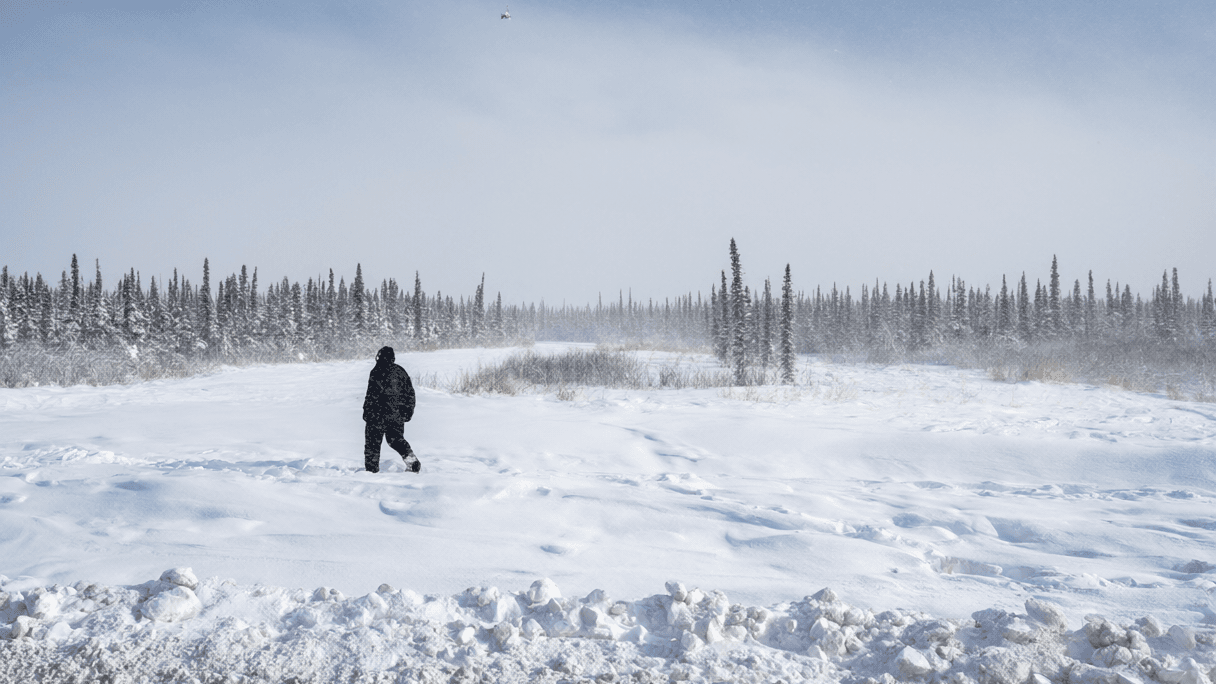
AI-generated image · Bay Street Wire
Internal evaluations of a major Alaska exercise expose a military struggling with basic winter soldiering and failing equipment, turning Ottawa's sovereignty promises into a security liability.
OPINION: The federal government's commitment to a sustained presence in the Far North is currently a hollow promise. As first reported by CBC News, internal documents reveal that the failure to modernize Arctic capabilities is no longer a mere budgetary oversight; it is a critical security lapse. Sending troops into the high north without the requisite skills or reliable gear doesn't project sovereignty—it projects vulnerability.
According to reporting from CBC News, internal Department of National Defence (DND) evaluations of Exercise Global Response in February reveal a troubling lack of preparedness among Canadian forces. During the exercise, which took place north of Fairbanks, Alaska, over 400 members of the 3rd Battalion Royal Canadian Regiment (3RCR) were integrated into a U.S. Army brigade. While the battalion ultimately met its training objectives, the cost was high: as many as 30 troops suffered various levels of frostbite.
CBC News reports that the evaluations highlighted a systemic failure in basic winter soldiering. One undated Canadian evaluation explicitly stated that companies consistently showed a "lack of preparations needed to live in Arctic conditions." This lack of readiness extended to the equipment provided. The report criticized a recent initiative that allowed the regiment to supplement military gear with off-the-shelf civilian equipment, noting soldiers struggled to operate items such as Coleman lanterns and stoves, and faced difficulties erecting 10-man tents.
Beyond gear, the reports suggest a breakdown in operational readiness. CBC News notes that internal documents identified gaps in medical preparation, with an evaluation from the health services branch indicating that medics misunderstood their roles, believing they were on standby for real casualties rather than participating in the training scenario. Other reported failures included communications problems and batteries that failed in the extreme cold, where temperatures dropped below –30 C.
Lt.-Col. Aaron Corey, commander of 3RCR, defended the unit's preparation in an interview with CBC News, stating that every soldier was a qualified cold weather operator and that the battalion spent a year preparing to return to a level of Arctic warfare not seen in several years. He noted that the weather proved to be a greater enemy than the opposing force, requiring troops to slow down to manage heavier equipment and energy expenditure.
Despite these efforts, the gap between Prime Minister Mark Carney's $35-billion Arctic security plan—which retired general Tom Lawson described as "a start" in a CBC News broadcast—and the reality on the ground is stark. The internal evaluations suggest that for Canada to maintain a credible combat capability in the North, the military must move away from a reliance on failing technology and return to the fundamental skills of survival and warfare in the Arctic.